Key Highlights
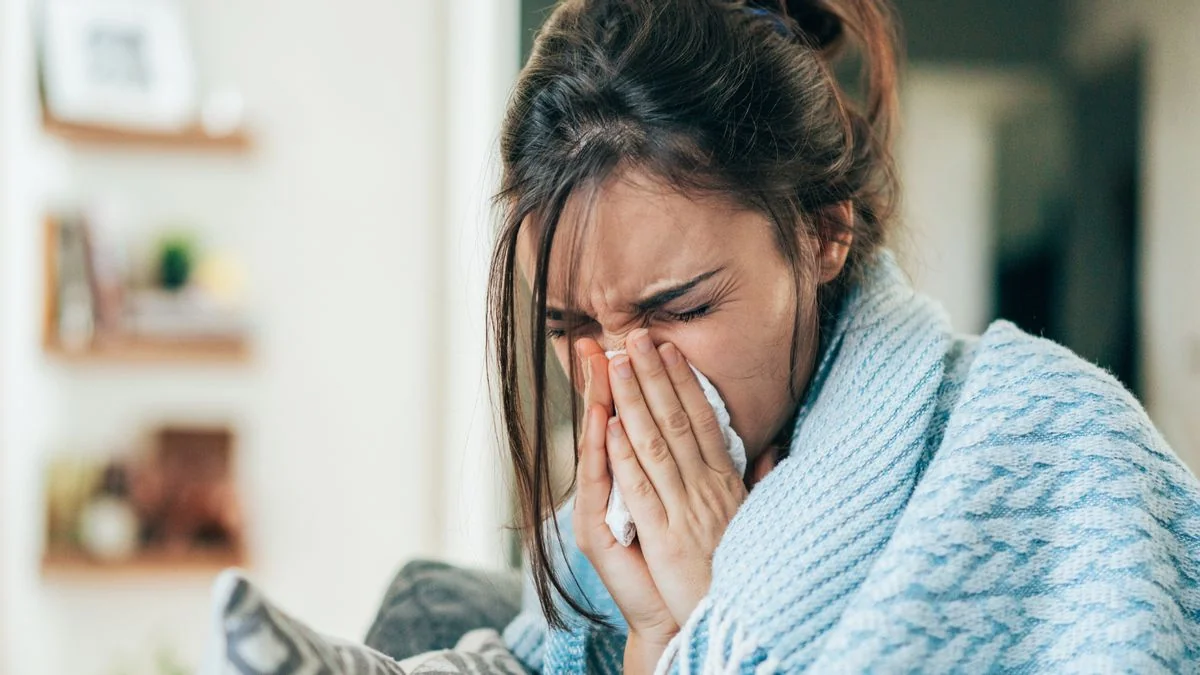
- Rumors spread in fall 2025 about a new “COVID-25” strain causing unusual symptoms.
- No such strain existed; actual new strains were subvariants of Omicron.
- Common symptoms for both the “Nimbus” and “Stratus” strains discussed.
Rumors Spread in Fall 2025: The Non-Existent “COVID-25” Strain
In a notable case of widespread misinformation, rumors began circulating on social media platforms such as TikTok and Substack in the fall of 2025. Individuals falsely claimed that there was a new strain of the virus causing COVID-19, referred to as “COVID-25,” with unique symptoms.
A man identifying himself as “Dr. Tony” posted a video on TikTok listing these supposed new signs, which had garnered over 3 million views and more than 104,000 likes by the time of its discovery.
The video’s caption stated that “the symptoms are not the same ones we used to know,” followed by a detailed list of purportedly distinct symptoms:
- Extreme fatigue – akin to days without sleep.
- Sore throat and dry cough lasting weeks.
- Mild fever between 100-101°F (37.8-38°C) that comes and goes for no clear reason.
- Intense headache – similar to a migraine.
- Loss of appetite, nausea, and sometimes stomach pain.
The video encouraged viewers to search “latest covid symptoms 2025” online. This claim was echoed on other platforms, adding to the confusion among social media users.
No “COVID-25”: Two New Strains of SARS-COV-2 in Circulation
Despite the widespread belief in a new strain, experts confirmed that there were no such cases. Instead, two subvariants of Omicron, known as “Nimbus” (NB.1.8.1) and “Stratus” (XFG), were circulating. Each strain presented its own set of symptoms:
Nimbus Strain
- Severe sore throat, often felt while swallowing.
- Persistent fatigue.
- Mild cough.
- Nasal congestion or a runny nose.
- Fever and muscle aches.
- Sneezing (less common).
- Digestive symptoms like nausea or diarrhea (less common, but possible).
Stratus Strain
- Persistent dry cough.
- Tiredness or fatigue.
- Fever.
- Shortness of breath and chest tightness (less common).
- Loss of taste and smell.
- Brain fog.
Common Symptoms and Expert Opinions
The supposed new symptoms listed in the viral video did not differ significantly from those commonly associated with SARS-COV-2. The Centers for Disease Control and Prevention (CDC) stated that possible symptoms could include:
- Fever or chills.
- Cough.
- Shortness of breath or difficulty breathing.
- Sore throat.
- Runny nose or congestion.
- New loss of taste or smell.
- Fatigue.
- Muscle or body aches.
- Headache.
- Nausea or vomiting (less common).
The CDC noted that these symptoms could vary in severity. Severe illness might require hospitalization, underscoring the importance of vigilance and adherence to health guidelines.
Conclusion
Caution Against Misinformation
This episode serves as a reminder of the critical role accurate information plays in public health during pandemics. The spread of misinformation can lead to unnecessary panic and confusion. Health authorities continue to monitor new strains and symptoms, ensuring that the public receives reliable and timely updates.