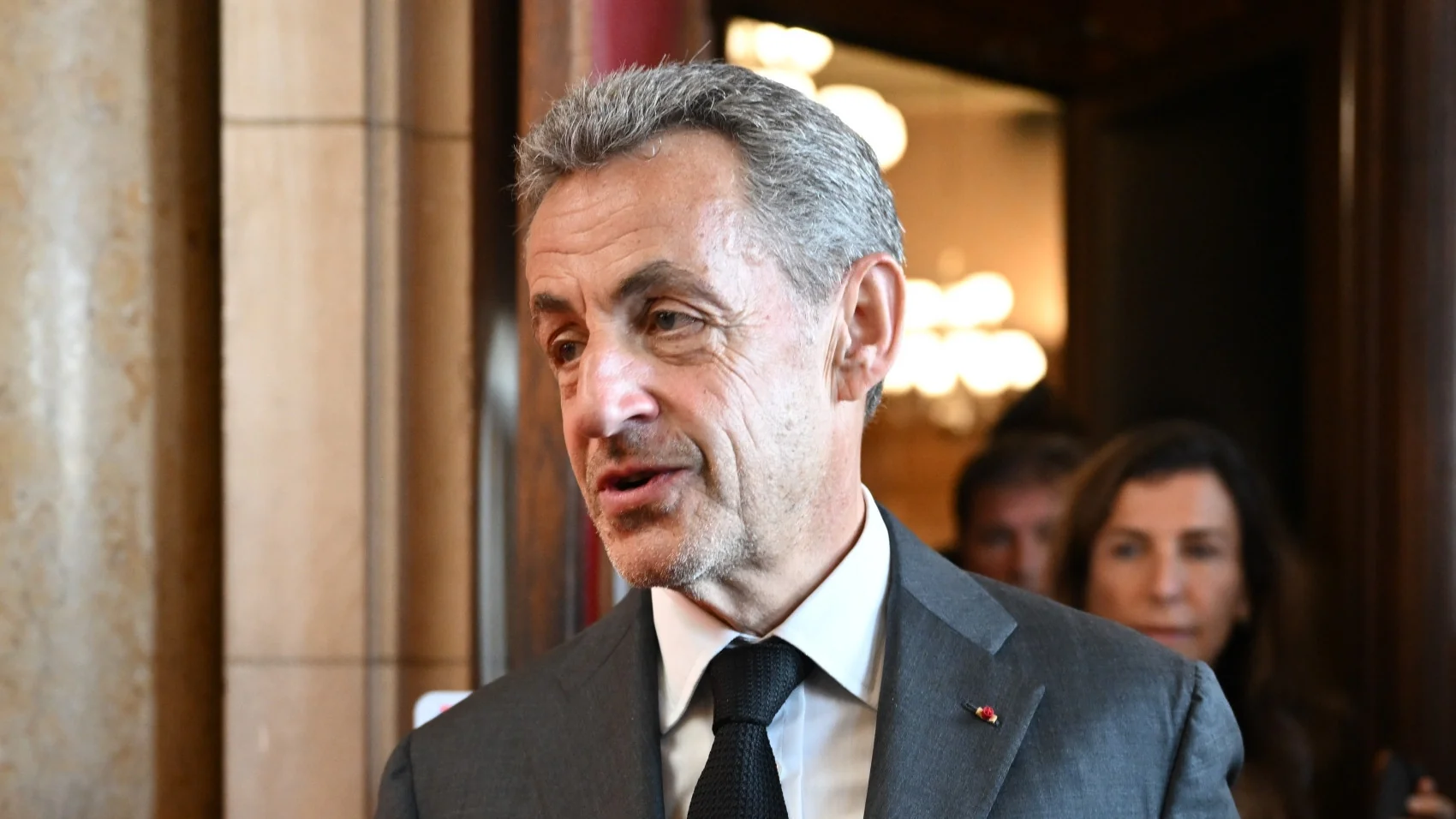
Key Highlights
- Nicolas Sarkozy has been incarcerated in a French prison after being found guilty of association de malfaiteurs.
- The case concerns his alleged involvement with the Libyan regime during the Arab Spring.
- Sarkozy’s legal team argues that the court’s decision lacks evidence and is an abuse of power.
- A public outcry has emerged, questioning the motives behind Sarkozy’s detention.
Nicolas Sarkozy Incarcerated: A Controversial Detention Sparks Debate
Former French President Nicolas Sarkozy is now serving time in a Paris prison after being convicted of association de malfaiteurs for his alleged role in the Libyan regime’s financial and political operations during the Arab Spring. This marks an unprecedented chapter in French history, where a former head of state is confined to a correctional facility.
Sarkozy was apprehended on October 21st following a month-long legal battle that culminated in his conviction by the Paris Court of Appeal. The case stems from accusations that he participated in a criminal organization linked to Libyan authorities during the political turmoil in Libya between 2011 and 2013.
Legal Challenges and Public Reaction
Sarkozy’s legal counsel, Christophe Ingrain, immediately filed a request for his release upon his arrest. His defense team, including Jean-Michel Darrois, argued that the judicial process was flawed, lacking substantial evidence to support the charges against their client.
“This incarceration is a scandal!” Ingrain declared. “The tribunal has arbitrarily chosen to retain Nicolas Sarkozy for an association of malfaiteurs without any proof. Despite its own findings, the tribunal insisted on his detention.”
The case has ignited widespread debate about the integrity and impartiality of France’s judicial system. Critics argue that the decision reflects a politically motivated move rather than a fair legal assessment.
Political Implications and Future Outlook
The incarceration of Nicolas Sarkozy has significant political implications, potentially setting a precedent for future leaders in terms of their exposure to criminal proceedings. His detention could discourage other high-ranking officials from taking risks or making controversial decisions.
“This is a dark day not just for him but for the French institutions and the country,” noted Darrois. “We hope that the Court of Appeal will restore the dignity of our justice system.”
The situation has also reignited discussions about political interference in judicial matters, with many questioning whether the legal process was influenced by broader political considerations.
Conclusion
Nicolas Sarkozy’s detention represents a critical moment for French politics and its legal system. As the case unfolds, it highlights the delicate balance between justice and political influence, leaving many to wonder about the future of governance in France.