Key Highlights
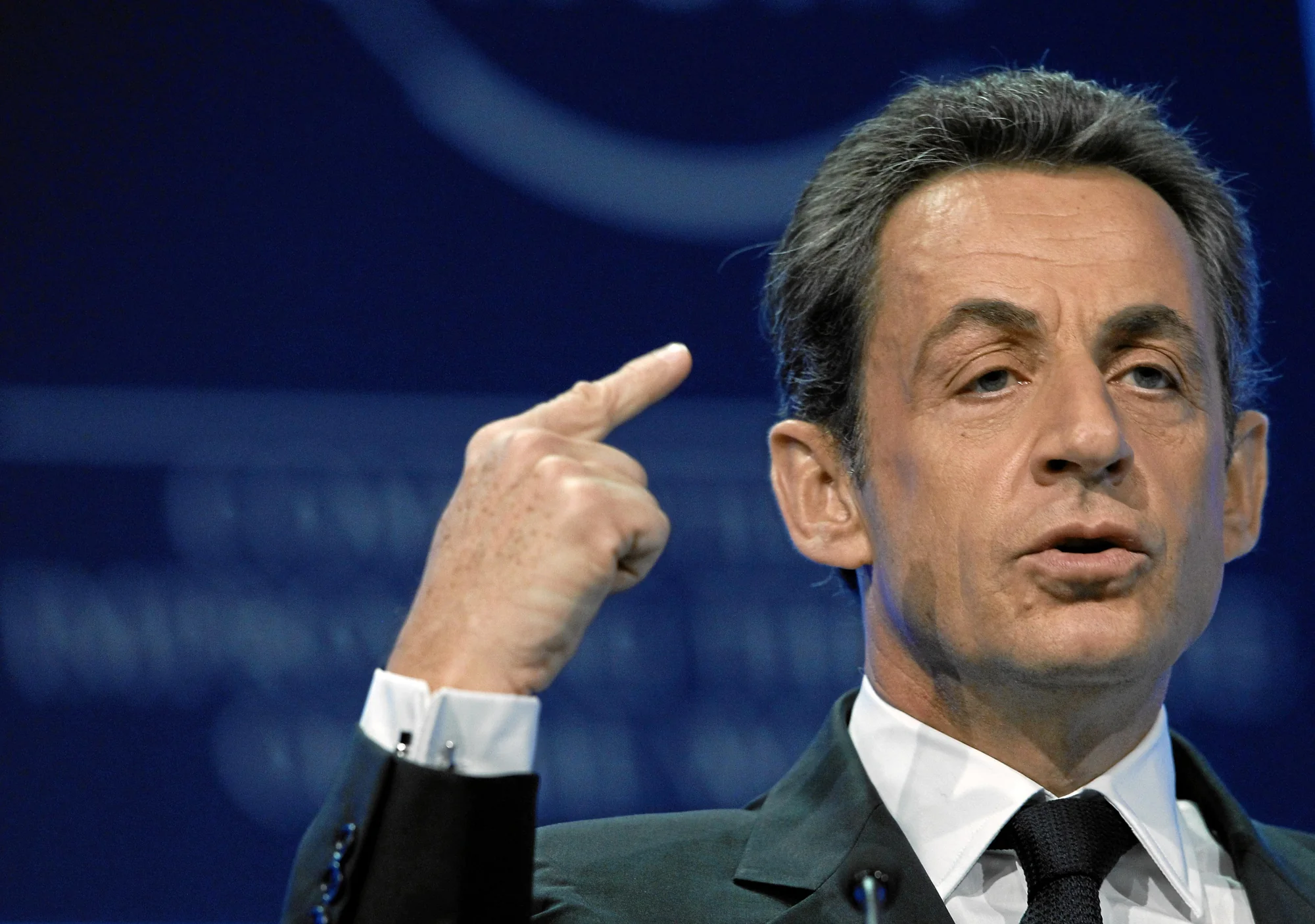
- Nicolas Sarkozy, former President of France, has been sentenced to five years in prison for his role in the Libyan financing scandal.
- This marks the first time an ex-president of France is being incarcerated for a criminal conviction.
- The case involves allegations that Sarkozy allowed his aides to meet with a Libyian official to discuss potentially illegal campaign funding in 2007.
- Sarkozy maintains his innocence and plans to appeal the verdict, claiming it’s part of a “scandalous judicial process.”
Nicolas Sarkozy Sentenced to Five Years in Prison
Former French President Nicolas Sarkozy has been sentenced to five years in prison for his involvement in an alleged Libyan financing scandal that occurred during his 2007 presidential campaign. The controversial decision comes after a series of legal proceedings, culminating in the conviction by the Paris tribunal correctionnel on September 25, 2025.
According to judicial documents, Sarkozy is accused of allowing his aides, including Claude Guéant and Brice Hortefeux, to meet with a Libyian official in Tripoli for discussions regarding potential campaign funding. The meeting was deemed illegal as it took place without the proper authorization from French authorities.
Conditions Leading to Imprisonment
Sarkozy’s arrival at the prison of la Santé on October 21, 2025, marked a significant moment in French political history. This is the first time an ex-president faces incarceration following a conviction for criminal activity during their tenure. A substantial security presence was deployed around the prison to ensure public safety and manage the media’s interest.
Supporters gathered outside Sarkozy’s residence in Paris, holding French flags and singing La Marseillaise.
The event was captured by numerous cameras and journalists as they awaited his arrival. Despite the show of support from some, many criticized what they saw as a “political trial” against an ex-leader.
Appeal Process and Future Outlook
Sarkozy’s legal team plans to appeal the verdict, arguing that it is part of a broader judicial scandal. In his social media post before leaving for la Santé, he stated, “La vérité triomphera,” but noted, “the price to pay will be heavy.” The former president has been outspoken about what he perceives as an unjust and politically motivated trial.
The judicial process is expected to unfold over the next few months. The French justice system has given two months for a decision on his appeal, though it’s anticipated that a ruling could come sooner.
His supporters have rallied behind him, maintaining their confidence in Sarkozy despite the legal setback. However, critics argue that such measures undermine democratic principles and the rule of law.
Implications for French Politics
The case has significant implications for both domestic and international politics. As the first ex-president to face imprisonment under a criminal conviction, it sets a precedent that could impact how future administrations handle sensitive legal issues. Additionally, the controversy surrounding Sarkozy’s imprisonment could further polarize French society along political lines.
While many continue to support him, there is also growing concern over the potential long-term effects on France’s reputation and its commitment to judicial independence. As legal proceedings progress, observers will closely monitor how this case unfolds and whether it will lead to broader reforms in the French justice system.
Conclusion
The sentencing of Nicolas Sarkozy marks a critical moment for French politics and the rule of law. Despite his claims of innocence, the verdict and subsequent imprisonment have sparked significant debate about judicial integrity and political accountability within France and beyond. As legal battles continue, this case will undoubtedly shape future discussions on corruption, transparency, and democratic governance in one of Europe’s leading nations.