Key Highlights
- A new law in Colorado requires rental cars to be equipped for winter conditions.
- Rental agencies must inform customers about the requirements and compliance details.
- The law affects I-70 corridor travel between September and May.
- Violations could result in fines.
New Colorado Law Aims to Ensure Winter Driving Safety for Car Rentals
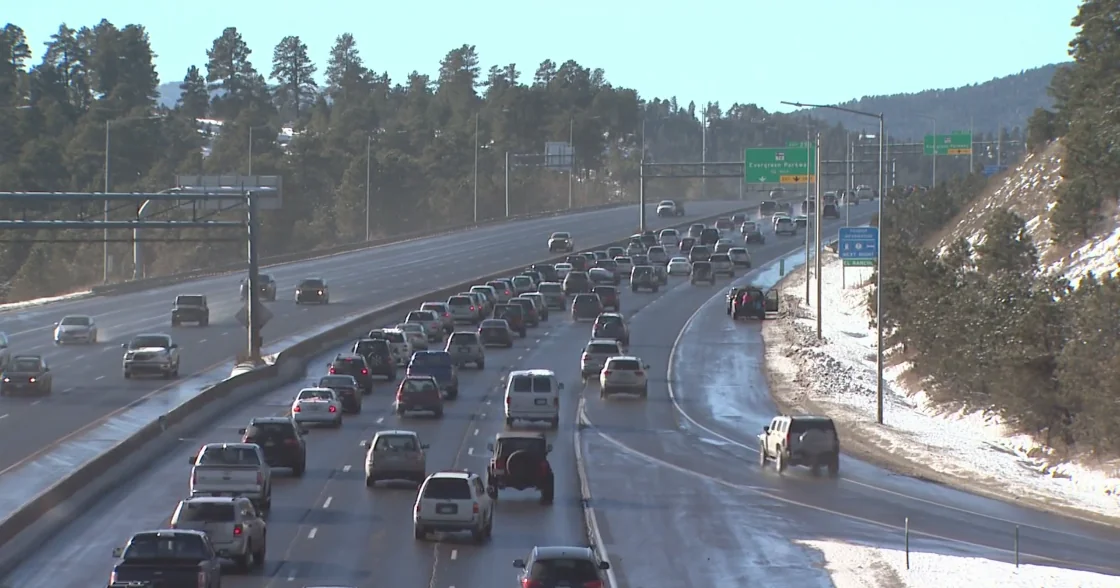
A new Colorado law is set to test its effectiveness during the upcoming winter season, as a strong storm is expected to hit parts of the I-70 corridor. This law mandates that rental car customers ensure their vehicles are capable of handling mountain snow and ice conditions.
Rental Car Requirements
The law requires all passenger vehicles to be either all-wheel drive or four-wheel drive if they will traverse the I-70 between the Dotsero and Morrison exits from September to May. Additionally, these vehicles must have the required type of tire with proper tread depth, or chains are a necessity.
Implementation and Compliance
The Colorado Department of Transportation (CDOT) and the Colorado State Patrol held a news conference in Georgetown on Tuesday to discuss these new winter driving requirements. Skyler McKinley, AAA’s regional director of public affairs, emphasized that rental agencies must inform customers about their compliance with the law.
“The rental agency is required to tell you whether or not that car complies with the new law,” said McKinley. “Compliance is pretty simple: All passenger vehicles need to be all-wheel drive or four-wheel drive if they’re going to traverse I-70 between the Dotsero and Morrison exits between September and May.”
State Patrol Lt. Colonel Josh Downing added that drivers must have chains or alternate traction devices if their vehicle is not equipped with four-wheel or all-wheel drive.
“If they’re not four-wheel drive or all wheel drive then they have to carry chains or alternate traction devices,” said McKinley.
Mckinley also noted that the messaging regarding these requirements must come in writing or verbally. Once informed, it is up to the renter to ensure their vehicle is properly equipped for winter driving conditions.
Market Impact and Future Expectations
Rental car companies are likely to face pressure to maintain specific fleets of vehicles suited for Colorado’s winter weather. McKinley believes that market pressures will compel rental agencies to keep appropriate vehicles available during the season.
“I suspect the market pressures will weigh on the rental cars, rental fleets keeping specific fleets in Colorado that are right for Colorado,” said McKinley.
Despite these new requirements, there may be initial frustration among renters. However, McKinley believes that over time, the system will adapt to meet the demands of winter driving conditions.
Preparation and Safety
For those traveling in Colorado during the winter months, it is important to ensure their rental vehicle meets the new requirements or have appropriate traction devices ready. The law aims to enhance safety on the roads by ensuring that drivers are prepared for challenging winter weather conditions.
“Not everybody re the laws when you come up to vacation somewhere, you know,” said Matt Lovato, who lives in Dumont and partners in a ski rental shop in Idaho Springs. “Just like skiing, you’ve got to be familiar with the terrain.”
The new law is expected to bring about significant changes for both drivers and rental car companies, as they navigate the complexities of winter driving conditions on Colorado’s highways.