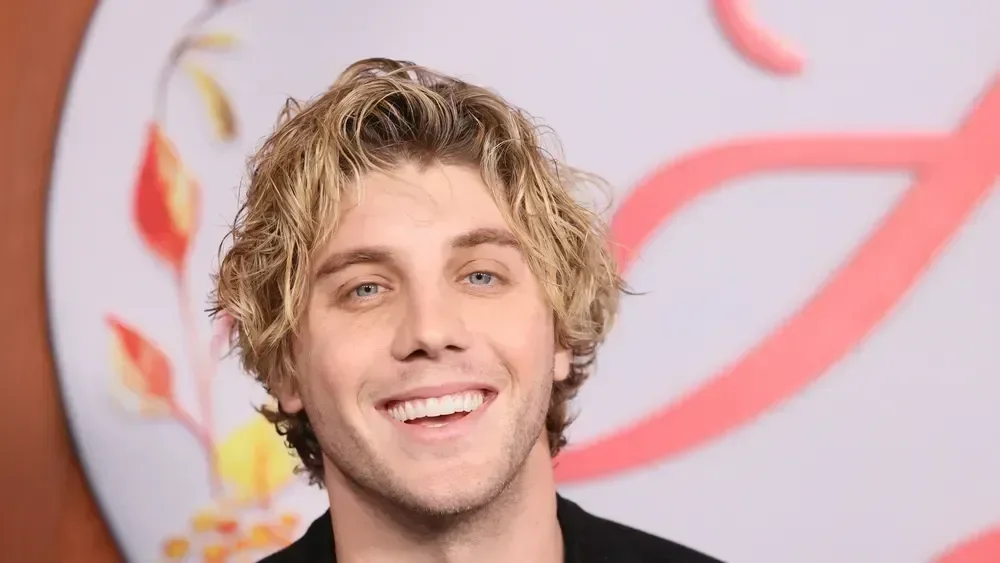
Key Highlights
- Lukas Gage discusses his sexual fluidity and challenges of queer identity in a candid podcast interview.
- Gage reflects on his marriage to Chris Appleton and the complexities of maintaining relationships under public scrutiny.
- The actor’s memoir, “I Wrote This for Attention,” delves into personal struggles with fame and mental health.
- Gage challenges rigid labels within LGBTQ+ communities and emphasizes the importance of authenticity in queer representation.
Exploring Lukas Gage’s Journey: Authenticity and Queer Fluidity
In a recent episode of Owen Thiele’s podcast, “In Your Dreams,” actor Lukas Gage delved into his personal experiences with sexual fluidity, relationships, and the evolving nature of his identity. Known for his roles in acclaimed series like “The White Lotus” and “Euphoria,” Gage has always been open about his journey, but this conversation was particularly candid.
Challenging Labels: Beyond ‘Gold Star Gay’
“No, I’m not gold star,” Lukas Gage directly responded when asked if he considered himself a term often used to describe gay men who have never had sex with women. He elaborated on his experiences, sharing that he has had sexual relationships with women and continues to do so occasionally. However, Gage noted a disconnect between emotional intimacy and physical attraction: “There’s something that disconnects that was probably why I was such a horrible boyfriend to all the girlfriends I had until I was like 20.” This nuanced perspective challenges the rigid labels within LGBTQ+ communities.
Visibility and Authenticity: From Marriage to Singlehood
Gage’s journey is marked by both visibility and ongoing authenticity. His marriage to celebrity hairstylist Chris Appleton, officiated on national television with a performance by Shania Twain, was celebrated but also fraught with challenges. “This relationship overshadows all the work I’d done and the career I was building,” Gage shared in a recent feature, reflecting on the pressures of living under public gaze. Now navigating singlehood after the end of a recent relationship, Gage described it as amicable yet shaped by the demands of his career: “I told him, you know, I was away in New York filming and doing this book thing, and he was like, ‘You’re not giving me enough attention,’” he recounted. Gage recognized the imbalance and suggested a pause out of mutual respect.
Embracing Complexity: The Memoir “I Wrote This for Attention”
Through his memoir, “I Wrote This for Attention,” Gage explores not only his sexual orientation but also his childhood, struggles with mental health, and the journey toward self-acceptance. Speaking openly about confronting trauma—experiences of abandonment and abuse—and borderline personality disorder, Gage’s honesty is seen as an important contribution to LGBTQ+ mental health visibility. His story resonates with many who see their own complexities reflected in his narrative. “There is no single way to be queer,” Gage emphasizes, inviting ongoing dialogue about authenticity and inclusivity.
Progress and Challenges: Queer Representation in Hollywood
Within the Hollywood landscape, Gage highlights both progress and persistent challenges for queer representation. While there are now more opportunities, he notes a tendency to reduce queer identities to simple shorthand or stereotypes rather than embracing the full complexity of people’s experiences. His openness about his fluidity and struggles with visibility in the industry invites ongoing dialogue about authenticity, inclusivity, and the importance of affirming all queer identities.
As conversations about sexual orientation and gender identity continue to evolve, Gage stands as a reminder that every narrative deserves recognition and respect.
His journey—from coming out to navigating relationship pressures in the spotlight—resonates with many LGBTQ+ individuals who see their own complexities reflected in his story. The future of queer representation in Hollywood is increasingly shaped by such authentic voices.