Key Highlights
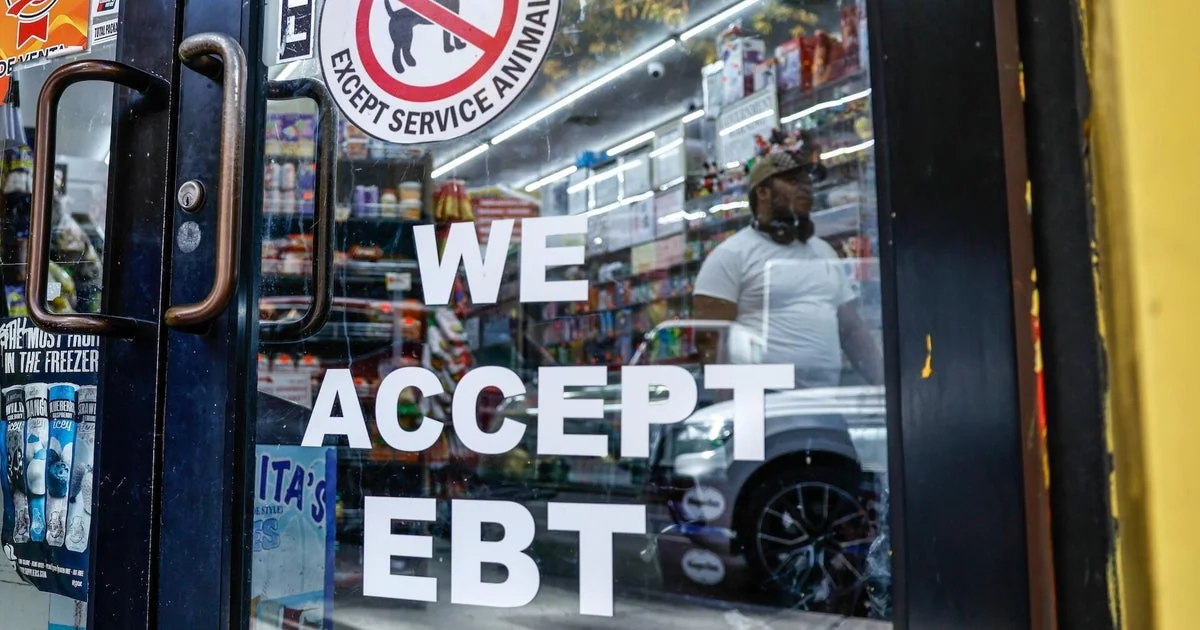
- Millions of Americans face financial hardship as four federal aid programs for low-income families are threatened by a government shutdown.
- The Supplemental Nutrition Assistance Program (SNAP) and the Women, Infants, and Children (WIC) program could run out of funding on November 1st.
- About 65,000 children in Head Start programs may lose federal funding as the shutdown continues past November 1st.
- The Low Income Home Energy Assistance Program (LIHEAP) faces potential delays in releasing funds this winter, affecting millions of low-income households.
Government Shutdown Threatens Critical Aid Programs for Low-Income Families
The financial stability of millions of Americans is at risk as the federal government shutdown stretches into its second month. Four essential programs designed to support low-income families are on the brink, jeopardizing crucial assistance that these households rely on.
Supplemental Nutrition Assistance Program (SNAP) and WIC
According to the U.S. Department of Agriculture, SNAP payments, better known as food stamps, will cease on November 1st if no government funding is resumed. Approximately 42 million Americans could be impacted, including Ashley Trent, a single mother of six in Bloomington, Illinois.
Trent, who works full-time as a housing navigator, expressed concerns about how she will manage her household expenses without this critical support.
“I’m wondering how I’m going to be able to afford everything,” Trent shared with CBS News. “It’s very stressful — what bills will I have to put off? I have a car note, insurance, clothes for my kids because it’s getting colder.”
The Women, Infants and Children (WIC) program is also at risk. Nearly 7 million low-income women and children could lose federal aid in November due to the ongoing shutdown. Georgia Machell, CEO of the National WIC Association, highlighted that these programs operate interdependently; many families rely on both SNAP and WIC for comprehensive support.
“None of these programs operate in a vacuum,” said Machell. “Often, if a family is participating in WIC, they’re also participating in SNAP.”
Head Start Programs
About 140 Head Start programs serving roughly 65,000 children across 41 states and Puerto Rico are at risk as the shutdown extends beyond November 1st. These early childhood education programs have been critical for over five decades in providing educational support to low-income families.
Michelle Haimowitz, executive director of the Massachusetts Head Start Association, emphasized the challenges these closures pose: “Everybody is trying to do everything they can to keep children in classrooms and families at work. But it is incredibly difficult to operate without those federal funds.”
Low Income Home Energy Assistance Program (LIHEAP)
The Low Income Home Energy Assistance Program (LIHEAP) helps about 6 million low-income households pay their energy bills, but this program could face delays in releasing funds. Mark Wolfe, executive director of the National Energy Assistance Directors Association, warned that such delays could lead to serious financial strain for millions of families just as winter approaches and energy costs soar.
Wolfe noted, “We are now at a point where the government shutdown is going to cause serious delays in the release of LIHEAP funds. The delay could leave millions of families behind on utility bills and facing power shutoffs.”
The potential impacts extend far beyond immediate financial hardships; experts like Ailen Arreaza from ParentsTogether Action emphasized the long-term consequences: “What we are hearing from parents is desperation — parents going without meals, making impossible decisions about not paying bills or going without medication.
This has so many implications, because these kids need these programs to get ahead.”
The shutdown’s extension could result in a perfect storm of misery for low- and middle-income households, as energy costs rise by nearly 8% this winter. These programs are essential support systems that help families maintain basic living standards during challenging times.