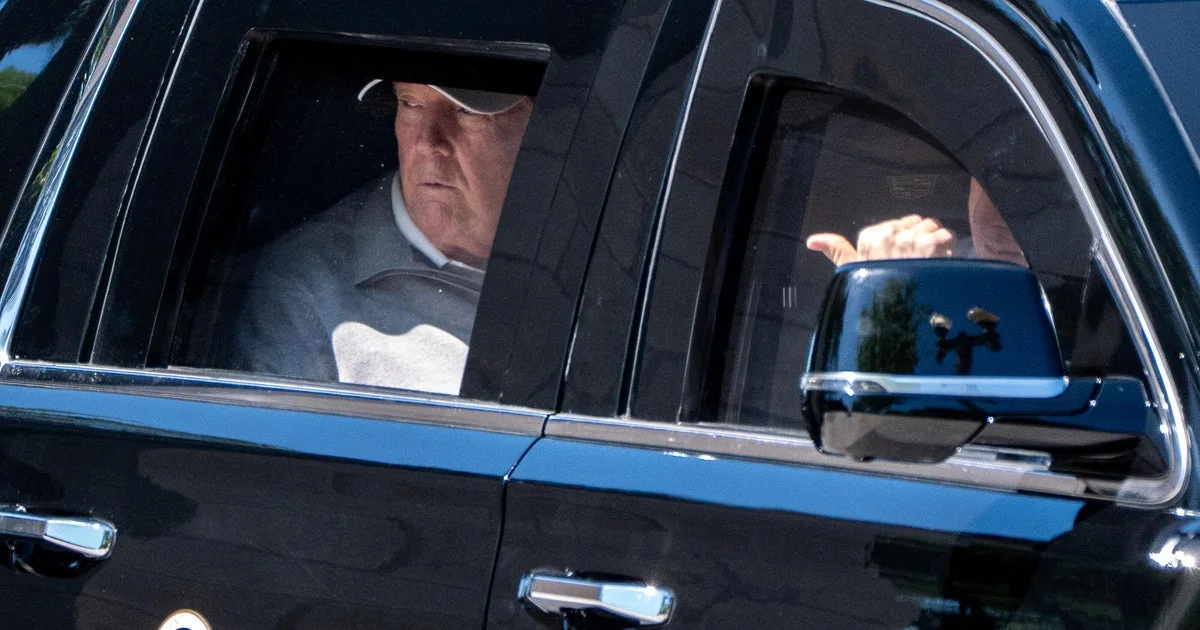
- President Trump announces “final determination” on potential Iran deal
- Defense Secretary Hegseth discusses ongoing negotiations and military actions in the Gulf
- U.S. disables multiple merchant vessels attempting to break the blockade of Iranian ports
- Kazakhstan offers to store Iran’s uranium stockpile under a potential agreement
The White House Stands Firm: Trump’s Final Decision on Iran Deal
President Donald Trump, in a meeting that lasted two hours in the Situation Room of the White House, announced his intention to make “a final determination” regarding a potential agreement with Iran. The decision, which could significantly impact global energy markets and international relations, remains uncertain as of May 30, 2026.
According to a White House official quoted by CBS News, Trump stated that any deal must ensure the Strait of Hormuz reopens and that “Iran’s highly enriched uranium is destroyed.” This statement underscores the administration’s unwavering stance on Iran’s nuclear capabilities and its impact on regional security.
Military Operations Escalate: Blocking Iranian Ports and Disabling Merchant Vessels
In an escalating show of force, U.S. forces have disabled multiple merchant vessels attempting to breach the blockade of Iranian ports in the Gulf of Oman. The latest action involved the Gambia-flagged bulk carrier Lian Star, which was stopped by U.S. aircraft after ignoring warnings from American forces.
Defense Secretary Pete Hegseth, speaking at a defense conference in Singapore, mentioned that these actions are part of a broader strategy to maintain pressure on Iran and ensure the Strait of Hormuz remains open. “The blockade is very much still in place,” he stated, emphasizing the need for a deal that would reshape global energy maps.
Kazakhstan Offers Storage Solution: A Potential Deal’s Nuclear Dimension
Kazakhstan has stepped forward to offer its storage facilities for Iran’s uranium stockpile. According to Rafael Grossi, head of the International Atomic Energy Agency (IAEA), Kazakhstan’s President Kassym-Jomart Tokayev expressed his country’s openness to taking on this role under a potential agreement with the United States and Iran. This proposal could be a crucial element in negotiations aimed at extending the current ceasefire.
The offer comes as both sides continue to discuss an memorandum of understanding that would extend the U.S.-Iran ceasefire by 60 days, reopen shipping traffic in the Strait of Hormuz, end the American blockade of Iranian ports, and launch negotiations on nuclear issues. However, Iran’s Foreign Ministry has stated there are “no negotiations” happening on its nuclear program.
U.S. Sanctions Hit Iranian Frauds: A New Layer of Pressure
The U.S. Treasury Department has sanctioned several Iranian individuals and companies accused of fraudulently impersonating American small businesses to purchase restricted technology. This move, which targets a “fraud network” that defrauded IT companies out of millions of dollars, underscores the administration’s determination to cut off financial support for Iran’s military activities.
Scott Bessent, Treasury Secretary, stated, “The Iranian military’s brazen efforts to target and deceive American businesses demonstrate just how far the regime is willing to go to support its malign activities. Treasury will continue to use all available authorities to cut off the Iranian regime’s access to the global financial system.”
As negotiations continue, the U.S. stands firm in its position, balancing military pressure with diplomatic efforts aimed at resolving the crisis in the Strait of Hormuz and addressing Iran’s nuclear ambitions.