Key Highlights
- SpaceX is scheduled to launch the SpainSat NG-II mission from Cape Canaveral on Thursday.
- The launch window opens at 9:30 p.m. EDT, with backup opportunities until 1:30 a.m. Friday.
- This marks the second launch in the series, following the initial launch of SpainSat NG-1 in January.
- No sonic booms are expected due to the expendable nature of this Falcon 9 booster.
SpaceX Readies for Launch: SpainSat NG-II Mission Takes Flight
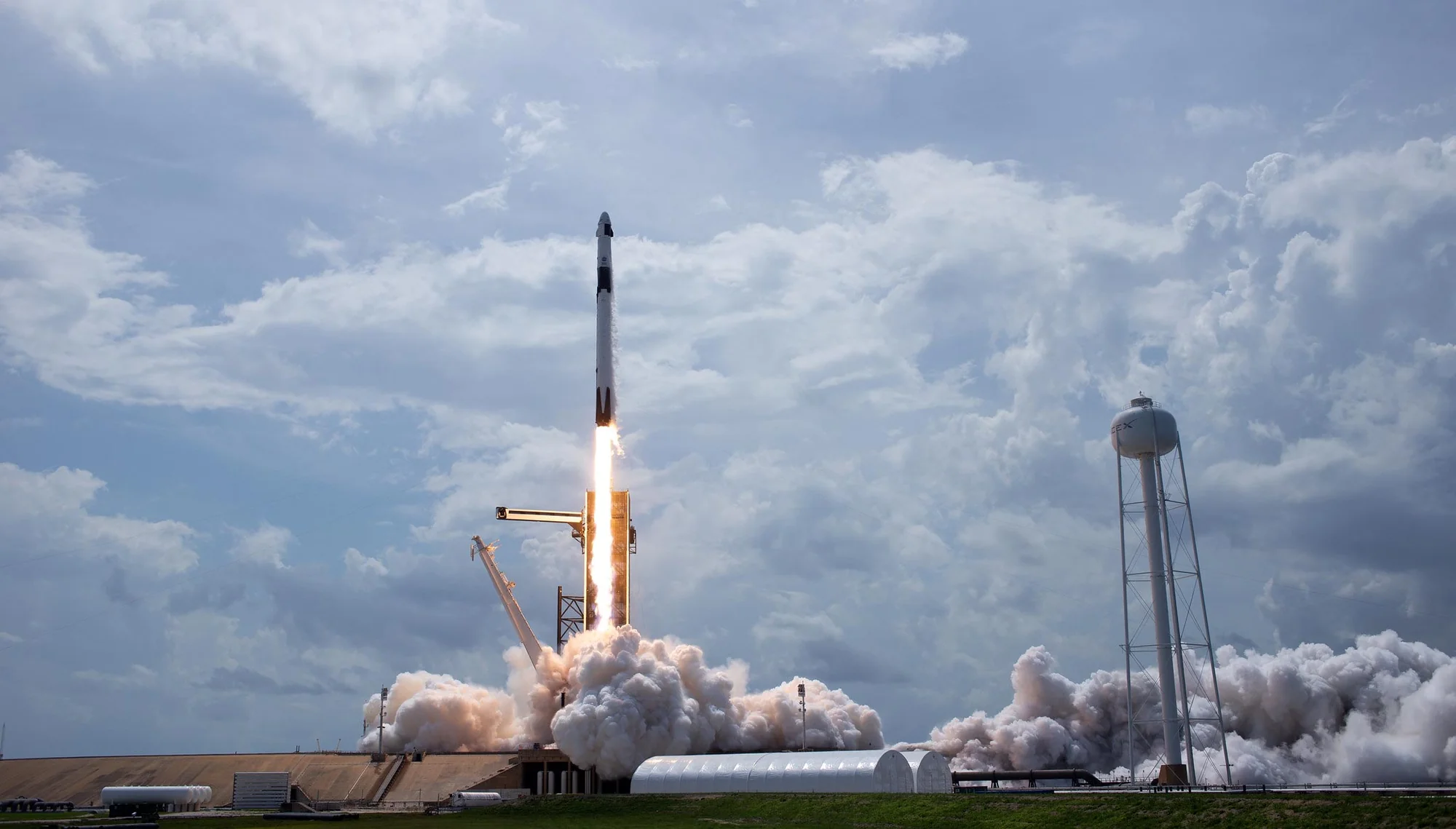
The Florida Today Space Team provides live coverage, marking a significant event in space exploration as SpaceX prepares to launch the SpainSat NG-II mission from Cape Canaveral. Scheduled for Thursday, October 23rd, this liftoff is set to add another satellite to the constellation, enhancing X-band and military Ka-band communications capabilities.
The launch window opens at 9:30 p.m. EDT, with backup opportunities until 1:30 a.m. on Friday.
Despite initial delays from Wednesday night, SpaceX remains optimistic about the mission’s success. The weather forecast predicts favorable conditions, with a 95% chance of clear skies, according to the Space Force’s 45th Weather Squadron.
Background and Mission Details
The SpainSat NG-II satellite is part of a series designed for European government and military use, providing critical communication services. Manufactured by Airbus and Thales Alenia Space in partnership with Hisdesat and ESA, these satellites are built to last 15 years, ensuring long-term reliability.
This launch follows the successful initial deployment of SpainSat NG-1 in January, setting the stage for further advancements in satellite technology. As part of this mission, a Falcon 9 rocket will carry the satellite into orbit, marking its 22nd and final flight due to the high power requirements of the task.
Industry Context and Future Implications
The launch of SpainSat NG-II represents a crucial step in enhancing communication networks for European military and government users. With the increasing reliance on satellite technology, such missions underscore the importance of robust and reliable communication systems.
SpaceX’s commitment to reusability is also highlighted by this mission. The Falcon 9 booster, with its impressive track record, will be expended due to the need for additional power.
This event marks a significant milestone in the company’s ongoing efforts to reduce launch costs while maintaining high standards of performance.
Industry experts predict that such missions will continue to drive innovation and collaboration among space agencies and private companies. The close partnership between SpaceX and other entities like United Launch Alliance and Blue Origin showcases the dynamic landscape of the space industry, where competition fosters technological advancement.
Final Countdown and Launch Preparations
The countdown has commenced with SpaceX’s fueling procedures underway at Launch Complex 40. As the launch window nears, various updates provide insights into the meticulous preparations required for such a mission. The fairings, which protect the satellite during ascent, have successfully landed multiple times and are set to be recovered once again.
Brevard County Emergency Management officials have activated their support team in anticipation of this launch, ensuring a smooth operation. This event not only signifies a technological achievement but also underscores the growing significance of space technology in various sectors, from military communications to global satellite networks.