Key Highlights
- Judge William F. Sullivan denied a motion to move Lindsay Clancy’s murder trial from Plymouth to Boston.
- Lindsay Clancy is charged with murdering her three young children in January 2023.
- The defense argued that media coverage could compromise the jury pool in Plymouth.
- Clancy’s trial is now scheduled to begin on July 20, 2026.
Judge Denies Motion to Move Lindsay Clancy’s Murder Trial
A Massachusetts judge has denied a request from Lindsay Clancy’s defense team to move her upcoming murder trial out of Plymouth and into Boston due to concerns over media coverage. The case, which involves the death of three young children in January 2023, is expected to go to court on July 20, 2026.
Background of the Case
Lindsay Clancy stands accused of murdering her three young children, aged five and two infants, by strangling them with exercise bands before jumping from a window in their family home. The incident shocked Duxbury residents and garnered significant media attention over the past year.
Legal Proceedings
At Tuesday’s hearing, Clancy’s attorney, Kevin Reddington, argued that the pervasive media coverage could compromise the available jury pool in Plymouth. He expressed concerns about the “overwhelming nature of the publicity surrounding a case like this.” However, Assistant District Attorney Jennifer Sprague maintained that most of the reporting was fair and balanced, reflecting both sides of the case without prejudicing either party.
Despite the defense’s motion to move the trial, Judge William F. Sullivan ruled against it.
In his decision, he stated that the media coverage had not significantly affected the availability of a fair jury pool in Plymouth. The judge acknowledged the intensity of the reporting but emphasized the court’s responsibility to ensure a fair and impartial trial.
Future Proceedings
The judge granted a defense motion for a continuance, pushing back the trial date from its originally scheduled time. Clancy’s trial is now set to begin on July 20, 2026. The parties are also due to return to court for a status conference on January 27, 2026, where further proceedings will be discussed.
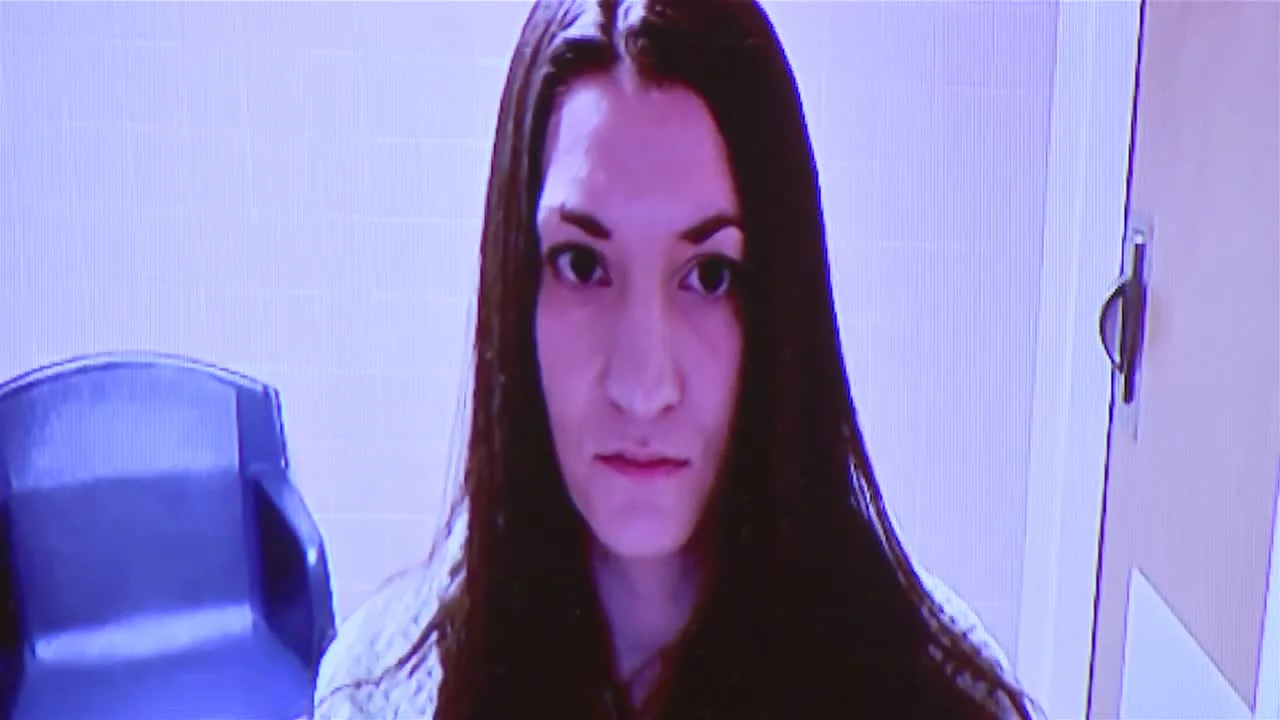
Clancy herself appeared virtually from Tewksbury Hospital, where she continues to receive treatment for injuries sustained after jumping from the window. Her defense team has filed requests for accommodations during the trial, including ambulance transport due to her condition as a paraplegic who requires assistance with daily activities.
Expert Perspectives
The decision by Judge Sullivan reflects the ongoing challenge of balancing media coverage in high-profile cases with the need for fair and impartial trials. Legal experts note that while extensive media attention can pose challenges, it is ultimately up to the court to ensure that these challenges do not compromise the integrity of the legal process.
“The judge’s decision highlights the delicate balance between public interest and judicial fairness,” said Emily Johnson, a criminal law expert at Harvard Law School. “While media coverage can be overwhelming, it’s crucial that courts take steps to protect against undue influence on potential jurors.”
Conclusion
The denial of the motion to move Lindsay Clancy’s murder trial underscores the complex interplay between public interest and judicial proceedings. As the case moves forward, all eyes will remain on Plymouth as it prepares for what is likely to be a highly scrutinized legal battle.