Key Highlights
- Lindsay Clancy seeks to have her murder trial moved from Plymouth County to Boston due to intense media coverage.
- The case involves the killing of three young children by Clancy, who is accused of strangling them before attempting suicide.
- Clancy’s lawyer argues that the extensive and inflammatory media coverage makes it impossible for her to receive a fair trial in her home county.
- A separate motion has been filed requesting a delay in Clancy’s trial until at least May 11, with prosecutors’ consent.
Background of the Case
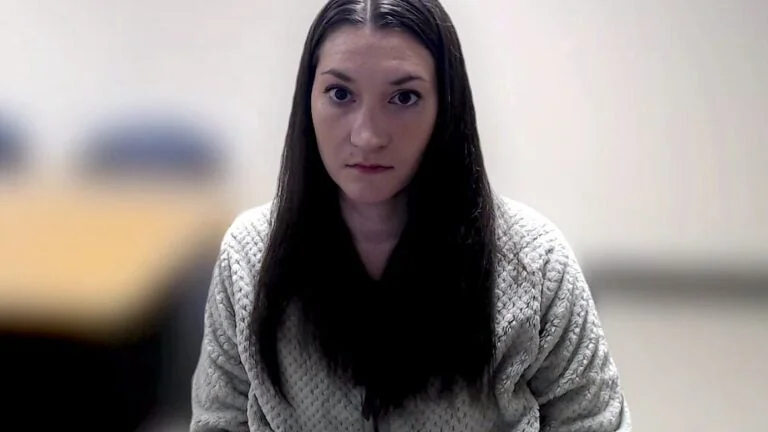
Lindsay Clancy, a Duxbury mother accused of murdering her three young children, is seeking to have her high-profile murder case tried in Boston. The request for change in venue comes as Clancy’s lawyer argues that intense media coverage has created an environment where she cannot receive a fair trial in Plymouth County.
Details of the Request
In a motion filed on November 6, 2025, Kevin Reddington, Clancy’s lawyer, has requested that the murder trial be moved to Suffolk County. The case involves the death of Clancy’s three children: Cora (5), Dawson (3), and Callan (8 months). Clancy is accused of strangling her children before severely injuring herself in a suicide attempt on January 24, 2023.
Reddington argues that the case has garnered extensive media attention, making it “impossible” for his client to receive a fair trial in Plymouth County. He claims that the pervasive and inflammatory coverage has created an “extremely biased” jury pool and that Clancy’s right to due process is at risk.
Legal Precedents and Future Implications
The move for a change of venue is based on the argument that the media coverage surrounding the case has been highly prejudicial. This request highlights the complexities involved in ensuring fair trials when high-profile cases attract significant public attention. The outcome could set precedents for how similar requests are handled in the future, particularly in cases where media coverage is deemed to compromise a defendant’s right to due process.
Separately, Reddington has also filed a motion seeking to push Clancy’s trial back until at least May 11, with prosecutors’ consent. This request cites unresolved pretrial issues and the need for further evaluation by government physicians and consultation with toxicologists and psychopharmacologists.
Next Steps in the Case
The next hearing is scheduled for November 18, where the court will consider both the motion for a change of venue and the request to delay the trial. The decision on these motions could significantly impact not only Clancy’s case but also future legal proceedings involving high-profile cases with intense media coverage.