Key Highlights
- Robert F. Kennedy Jr. admitted that scenes from ICE raids in Minneapolis were “very disturbing.”
- Kennedy blamed Democrats and the media for overblown reactions to the incidents.
- The deaths of ICU nurse Alex Pretti and unarmed mother Renee Good by federal agents sparked outrage.
- Robert F. Kennedy Jr. compared Trump’s immigration policies to those of Obama, stating they deported more people than Trump did.
The Disturbing ICE Raids in Minneapolis: Robert F. Kennedy Jr.’s Take
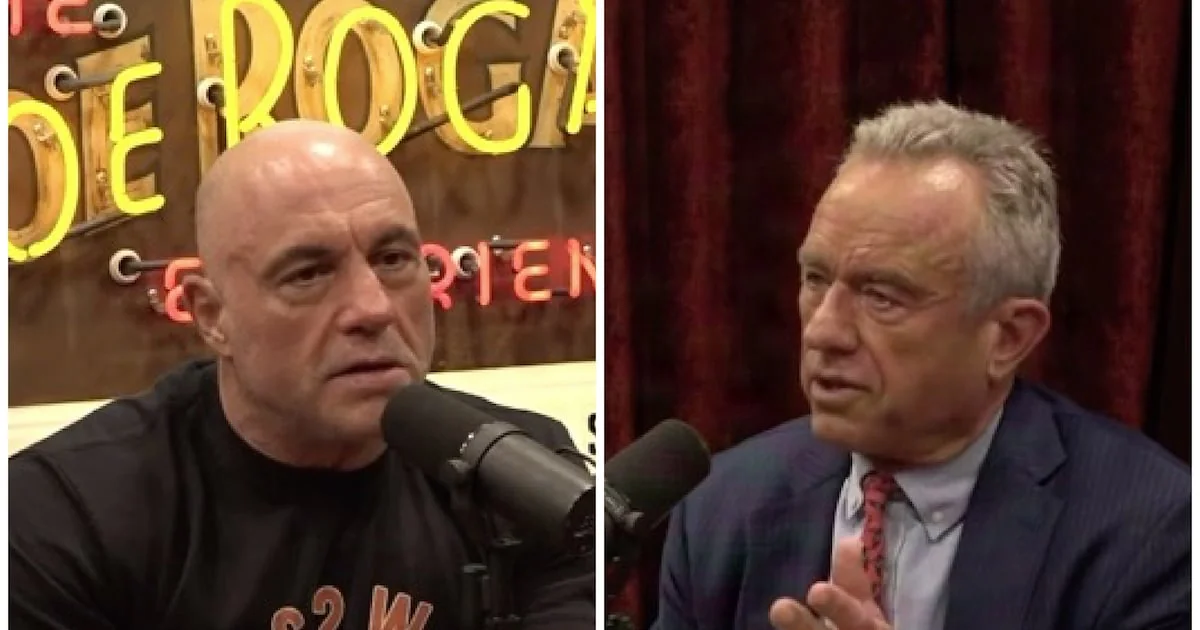
When Joe Rogan cornered Robert F. Kennedy Jr. on The Joe Rogan Experience about the “disturbing” ICE raids in Minneapolis, you might think this is new, but… it’s not. Kennedy’s analysis, delivered with a mix of skepticism and frustration, echoes the ongoing debate over immigration policies.
“The thing that makes it most disturbing,” Kennedy began, “is because there’s so much interaction with protesters, which is weird that the Democrats are telling protesters to go out there and stop law enforcement from doing its job.”
The Role of Protesters in ICE Raids
For his part, Kennedy argued that protests should not interfere with law enforcement. “If you don’t like U.S. drug policy… you wouldn’t send people to try to interfere with people who are arresting a drug dealer,” he asserted. “And when you have thousands and thousands of people doing that, it’s going to blow up.”
His comments highlight the complex dynamics between protesters, law enforcement, and government policies. The idea that protests can be organized and paid for is another point of contention. Rogan questioned their legality: “These protests are organized and paid for, and that’s crazy, right?”
The Deportation Debate
Robert F. Kennedy Jr. drew comparisons between the Trump administration’s immigration actions and those of President Obama. “President Obama deported more people than President Trump did—the most in history,” he said. “Nobody cares.” This statement challenges the narrative that Trump was singularly responsible for high deportation rates.
The Tragic Incidents
Yet, it’s not just about statistics. The deaths of ICU nurse Alex Pretti and unarmed mother Renee Good by federal agents in January have left a lasting impact. Kennedy acknowledged their tragic fates: “The deaths… are very disturbing.” Following these incidents, ICE operations in Minneapolis were scaled back—after two deaths and Department of Homeland Security Secretary Kristi Noem’s bungled messaging.
The Media’s Role
But for Kennedy, the issue isn’t just about the policies. It’s about how they’re portrayed: “That’s not how protests usually work,” he asserted. “The press has taken ‘Trump derangement syndrome’ and amplified it into public outrage.” He blamed the media for setting up a situation where every interaction with law enforcement could spiral out of control.
“About half of those people were killed. None of it made headlines,” Kennedy continued, comparing the lack of coverage under Biden to the intense focus on Trump’s actions. “Now, because it’s Trump doing it, you have the entire Democratic Party and the media establishment saying, ‘Oh, look at the horrible things.
He’s a dictator.’ But he’s doing what he promised to do to the American people.”
The analysis from Robert F. Kennedy Jr. is clear: the issue goes beyond policy—it’s about perception and the role of the media in shaping public opinion. As we navigate these complex issues, it’s crucial to consider all perspectives.