Key Highlights
- Democratic strategist James Carville argues that Democrats lacked a clear strategy during the government shutdown.
- Carville suggests that the eight Democratic senators who voted to end the shutdown are not at fault and no one in the party should be mad at each other.
- The current federal government shutdown is considered the longest in history, set to end on Wednesday with a House vote on a funding bill.
- Carville criticizes Democrats for their stance on Obamacare subsidies and suggests they “held him hostage,” indicating a broader political divide within the party.
The Longest Government Shutdown in History: A Post-Mortem by James Carville
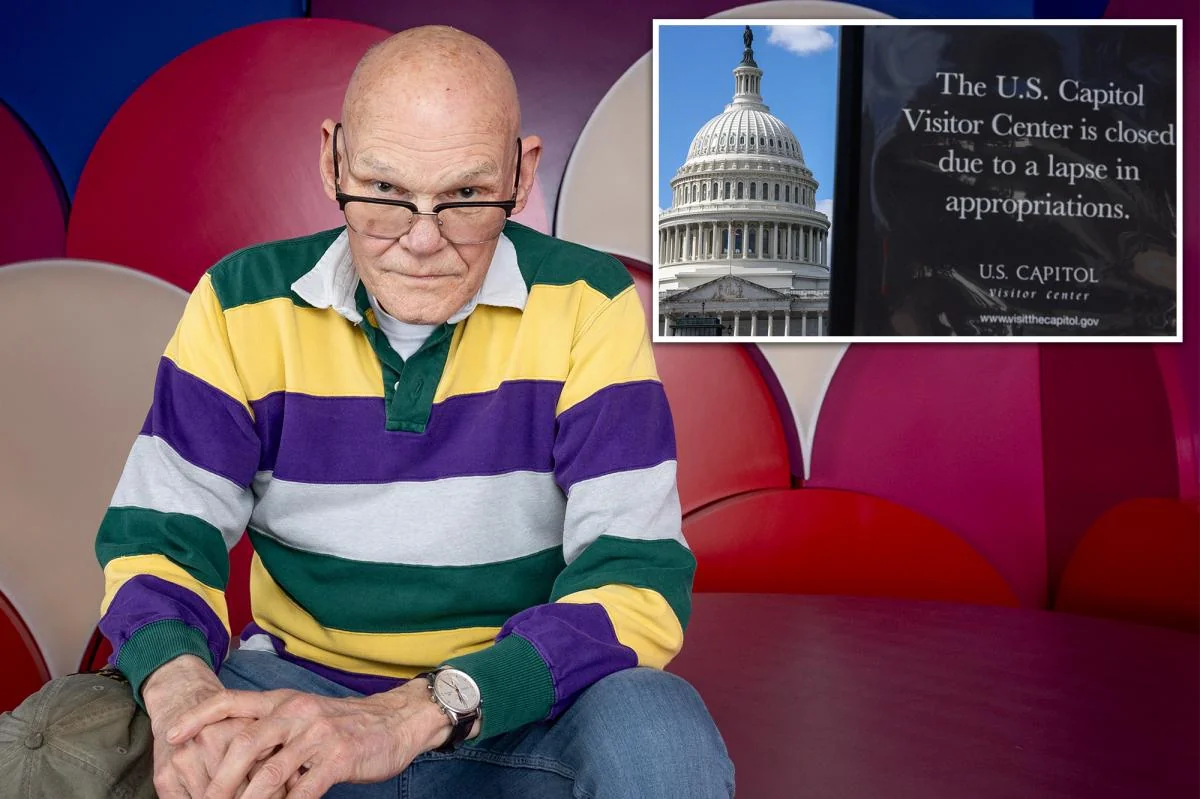
In an interview with former CNN host Jim Acosta’s Substack, Democratic strategist James Carville reflected on the recent government shutdown, emphasizing that Democrats did not have a clear strategy to resolve the issue. The longest federal government shutdown in history is set to end this Wednesday after the House of Representatives is expected to vote on a federal funding bill.
Carville highlighted that “there was not a real endgame plan here,” referring to the Democrats’ approach to negotiating with Republicans during the shutdown. He went further, stating that no one within the Democratic party should hold grudges against each other for their individual roles in the negotiations.
Carville added, “And this is just one of those things, that I’m not mad at anybody on the Democratic side. And no one on the Democratic side should be mad at anybody else on the Democratic side.”
Democrats’ Lack of Strategy
The shutdown, which began in December 2018 and lasted until February 2019, was a significant political event that tested both parties. Carville’s comments come amid ongoing discussions about how Democrats can better navigate future crises.
In his analysis, Carville described the Republican Party as “a cult,” noting that this made negotiations particularly challenging for Democrats. He further stated, “You’re at a severe disadvantage when you negotiate with a cult.” This perspective reflects the broader political tensions between the two parties and the difficulty in finding common ground.
Obamacare Subsidies and Political Divide
A significant point of contention during the negotiations was the extension of Obamacare subsidies. Carville, expressing a Republican-leaning viewpoint, suggested that if he were a Democrat, he would have sided with Republicans on this issue because “it’s going to really hurt key voters.” His statement highlights the complex and often conflicting priorities within the Democratic party.
Carville also criticized Democrats for their stance, claiming they had an “exit ramp” but chose not to use it. He elaborated by saying, “The Democrats, you know, I think they had an exit ramp here.
And now they’ve just shut the exit ramp down. And there’s no interstate that goes into infinity.” This indicates a broader political divide within the party over how to approach controversial issues like Obamacare.
Conclusion
The recent government shutdown has sparked significant introspection among Democratic strategists and elected officials. Carville’s comments, while critical of both parties’ tactics, emphasize the need for clearer communication and strategy in future political negotiations. As the longest in history, this shutdown serves as a reminder of the ongoing challenges faced by Congress in addressing pressing issues.