Key Highlights
- The US government shutdown has entered its 40th day.
- About 750,000 federal employees have been furloughed due to the shutdown.
- The shutdown has disrupted air travel with over 1,530 flights cancelled on a single day.
- SNAP benefits are at risk as US President Donald Trump only agrees to restore aid when the government reopens.
Government Shutdown Enters Record-Breaking 40th Day: Impact on Americans
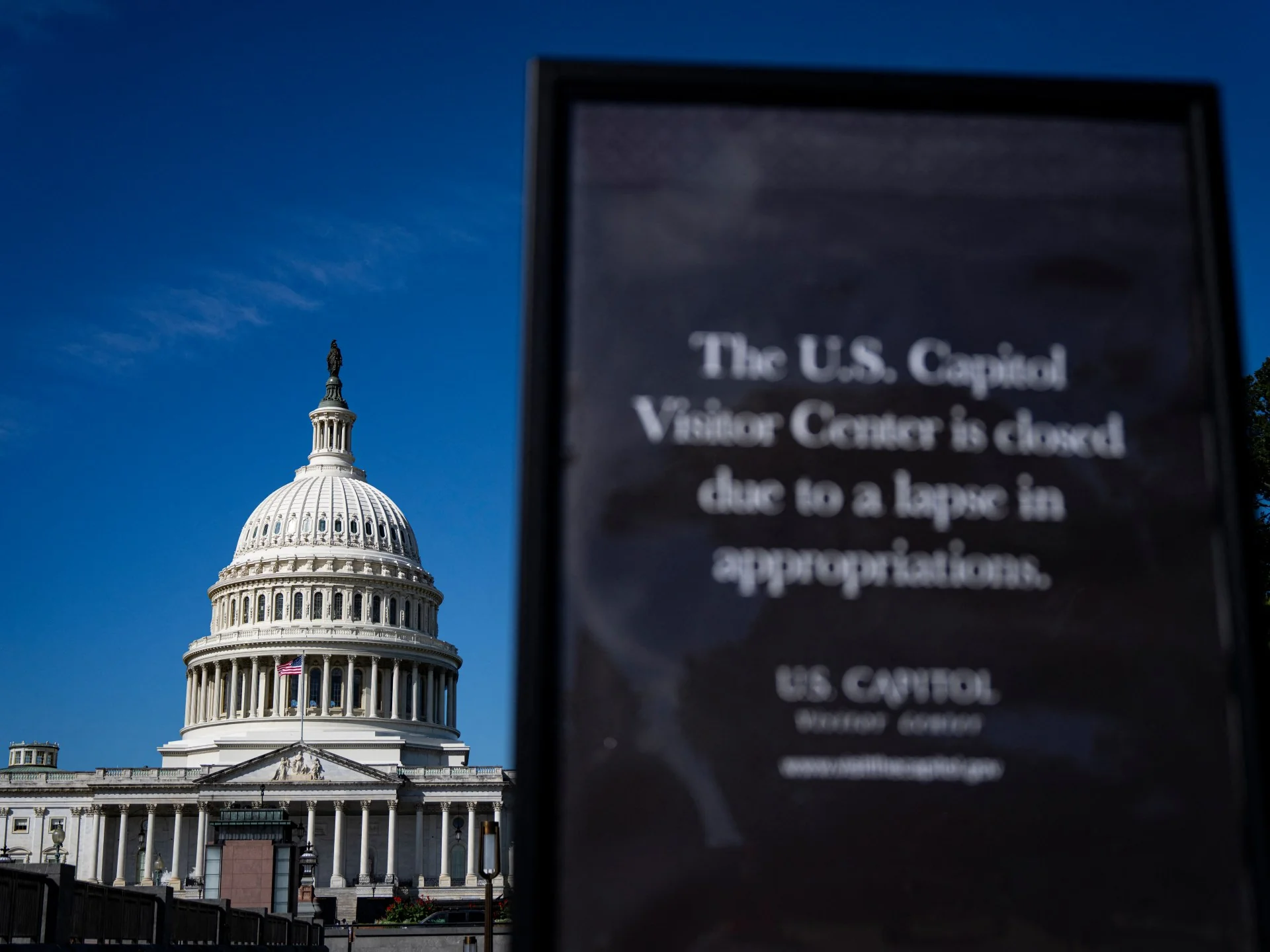
The United States government shutdown, now in its 40th day, has surpassed a record set during President Donald Trump’s first term. This prolonged closure of federal agencies and offices is affecting millions of American citizens across various sectors.
Air Travel Disruptions
One of the most visible impacts of the shutdown is on air travel. The Federal Aviation Administration (FAA) reported staffing shortages among unpaid air traffic controllers, leading to significant flight cancellations. On a single day, over 1,530 flights were cancelled across the United States. According to FlightAware, this number increased from 1,025 the previous day and is expected to continue rising.
Greg Raiff, CEO of Elevate Aviation Group, warned that these disruptions would have a broader economic impact. “This shutdown is going to affect everything from business travel to tourism,” he stated. “It’s going to hurt local tax revenues and city budgets – there’s a cascading effect from all this.”
Food Assistance at Risk
The Supplemental Nutrition Assistance Program (SNAP), which provides monthly grocery assistance of about $8 billion, is also in jeopardy. US President Donald Trump has indicated that food aid will only be restored once the government shutdown ends. In a tweet on Truth Social, he wrote, “SNAP BENEFITS, which increased by Billions and Billions of Dollars (MANY FOLD!) during Crooked Joe Biden’s disastrous term … will be given only when the Radical Left Democrats open up government.”
The average individual benefit under SNAP is approximately $190 per month, while a household receives around $356. This assistance affects millions of low-income Americans who rely on these benefits to purchase food.
Healthcare Subsidies Standoff
The shutdown has also stalled efforts to renew healthcare subsidies under the Affordable Care Act (ACA). Democrats argue that Republicans’ refusal to renew expiring health insurance subsidies is the primary cause of the shutdown. However, a 53–47 Senate majority held by Republicans means they can block any Democratic proposals.
On Saturday, US President Donald Trump intervened via Truth Social, calling on Republican senators to redirect federal funds used for healthcare subsidies toward direct payments to individuals instead.
He stated, “I am recommending to Senate Republicans that the Hundreds of Billions of Dollars currently being sent to money sucking Insurance Companies … BE SENT DIRECTLY TO THE PEOPLE SO THAT THEY CAN PURCHASE THEIR OWN, MUCH BETTER, HEALTHCARE, and have money left over.”
Approximately 24 million Americans currently benefit from ACA subsidies. Analysts warn that premiums could double by 2026 if Congress allows these subsidies to expire.
About the Shutdown Timeline
The shutdown began on October 1, 2025, after opposing sides in the US Senate failed to agree on spending priorities. Since then, both parties have failed to agree on 14 separate funding measures, delaying payments to hundreds of thousands of federal staff.
Senator Chuck Schumer offered a narrower version of an earlier Democratic proposal – a temporary extension of healthcare subsidies. However, Republicans rejected the offer, prolonging the record-breaking shutdown.
As of November 9, 2025, no breakthrough has been announced as lawmakers continue to work on a solution.
The ongoing shutdown raises concerns about its political and economic consequences. Air travel disruptions may prove politically costly for lawmakers if they persist, especially ahead of the holiday season. The threat to food assistance programs like SNAP also highlights the broader impact of this protracted government closure.