Key Highlights
- Italy’s top court approved the extradition of Ukrainian suspect Serhii Kuznietsov to Germany.
- Kuznietsov is accused of coordinating the sabotage of Nord Stream gas pipelines in 2022.
- The German prosecutor claims he used forged identity documents for the attack near Bornholm.
- Poland ruled against extraditing another Ukrainian suspect, leading to his release from detention.
Extradition Approved: Italian Court Green-Lights Transfer of Ukrainian Suspect
The Italian Supreme Court has given the green light for the extradition of a Ukrainian man accused of orchestrating the sabotage of Nord Stream gas pipelines in 2022. The decision comes after Italy initially blocked Kuznietsov’s transfer due to an issue with a German arrest warrant.
Charges and Context
Serhii Kuznietsov, a former Ukrainian officer, faces serious charges in Germany including collusion to cause explosions, sabotage, and destruction of infrastructure. According to German prosecutors, Kuznietsov used forged identity documents to charter a yacht from the city of Rostock, which he claimed was responsible for placing explosives on the underwater pipelines near the Danish island of Bornholm.
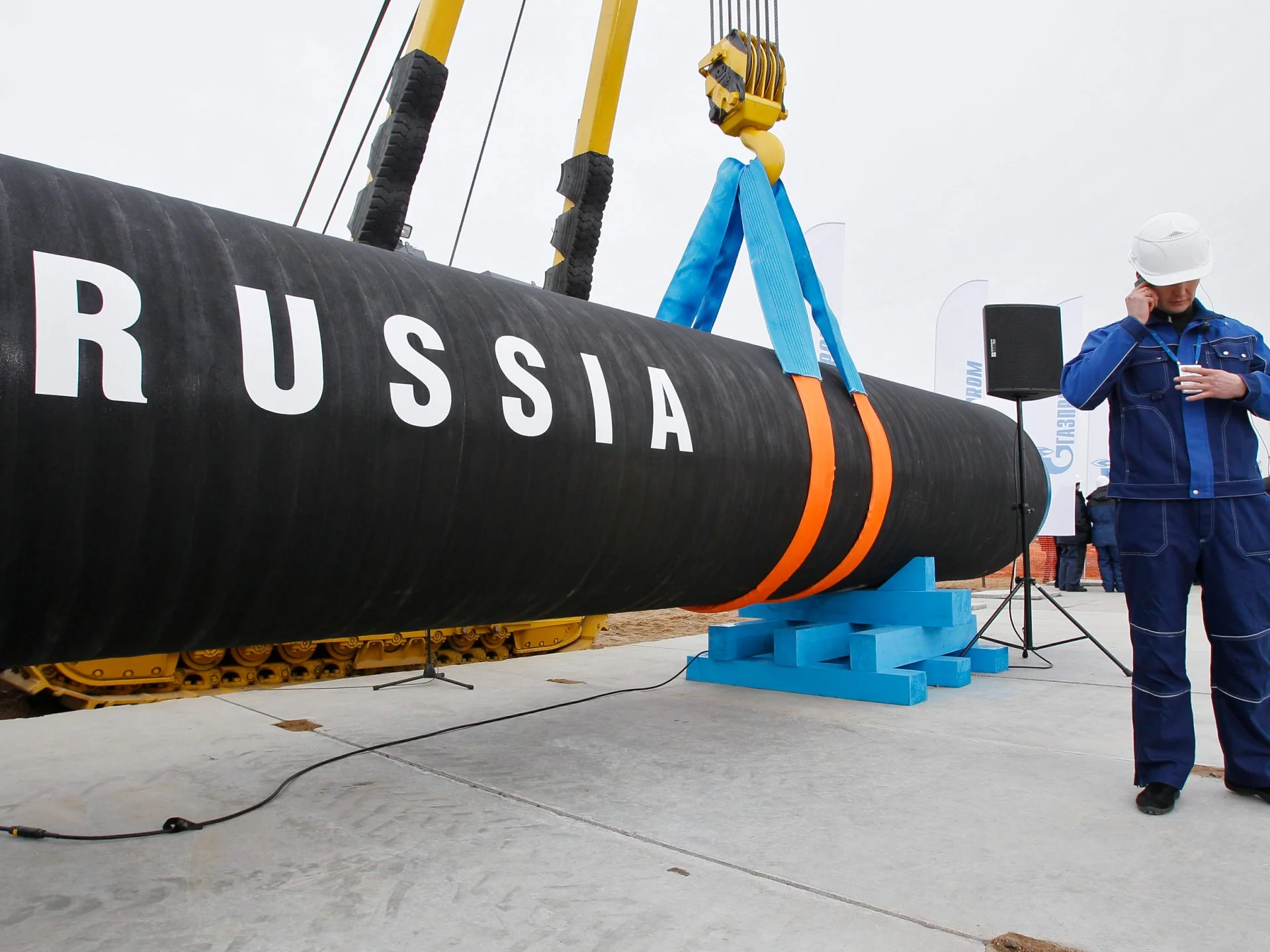
The Nord Stream gas pipelines were critical for Russia’s gas transfers to Europe, and their destruction severely disrupted supplies. The blasts resulted in significant damage to both Nord Stream 1 and Nord Stream 2, with four ruptures discovered after the attack.
Legal Challenges and Public Concerns
Kuznietsov has denied any involvement in the sabotage and fought against his transfer, even staging a hunger strike to protest prison conditions. His lawyer, Nicola Canestrini, expressed confidence in an acquittal during the full trial in Germany: “However great the disappointment, I remain confident in an acquittal after the full trial in Germany.”
Meanwhile, Poland dealt another setback to German efforts by ruling against extraditing a Ukrainian suspect wanted for the pipeline blasts. This decision led to the suspect’s immediate release from detention.
International Tensions and Legal Implications
The extradition approval has raised concerns among European lawmakers who fear it may set a precedent that could affect international relations and legal cooperation in dealing with such high-stakes cases.
A letter sent by members of the European Parliament to Italian Prime Minister Giorgia Meloni expressed concern: “The destruction of the pipelines dealt a significant blow to Russia’s war machine in its ongoing war of aggression against Ukraine.” The MEPs further urged Italy to suspend extradition steps until guarantees of functional immunity and state responsibility are thoroughly assessed.
Kuznietsov, if found guilty by a German court, faces up to 15 years in prison. His case highlights the complex legal and political challenges surrounding international crime and terrorism investigations in Europe.