Key Highlights
- Italy’s public prosecutor’s office has launched an investigation into alleged “sniper safaris” to Sarajevo during the Bosnian war.
- The trips involved wealthy Italians paying to shoot at civilians in the besieged city, with participants from Trieste and other Italian cities.
- Italian journalist Ezio Gavazzeni filed a legal complaint against those responsible for organizing these trips.
- Bosnian military intelligence officer Edin Subasic provided testimony about the trips to Italy’s Sismi intelligence agency in 1994.
The Investigation into “Sniper Safaris” in Sarajevo
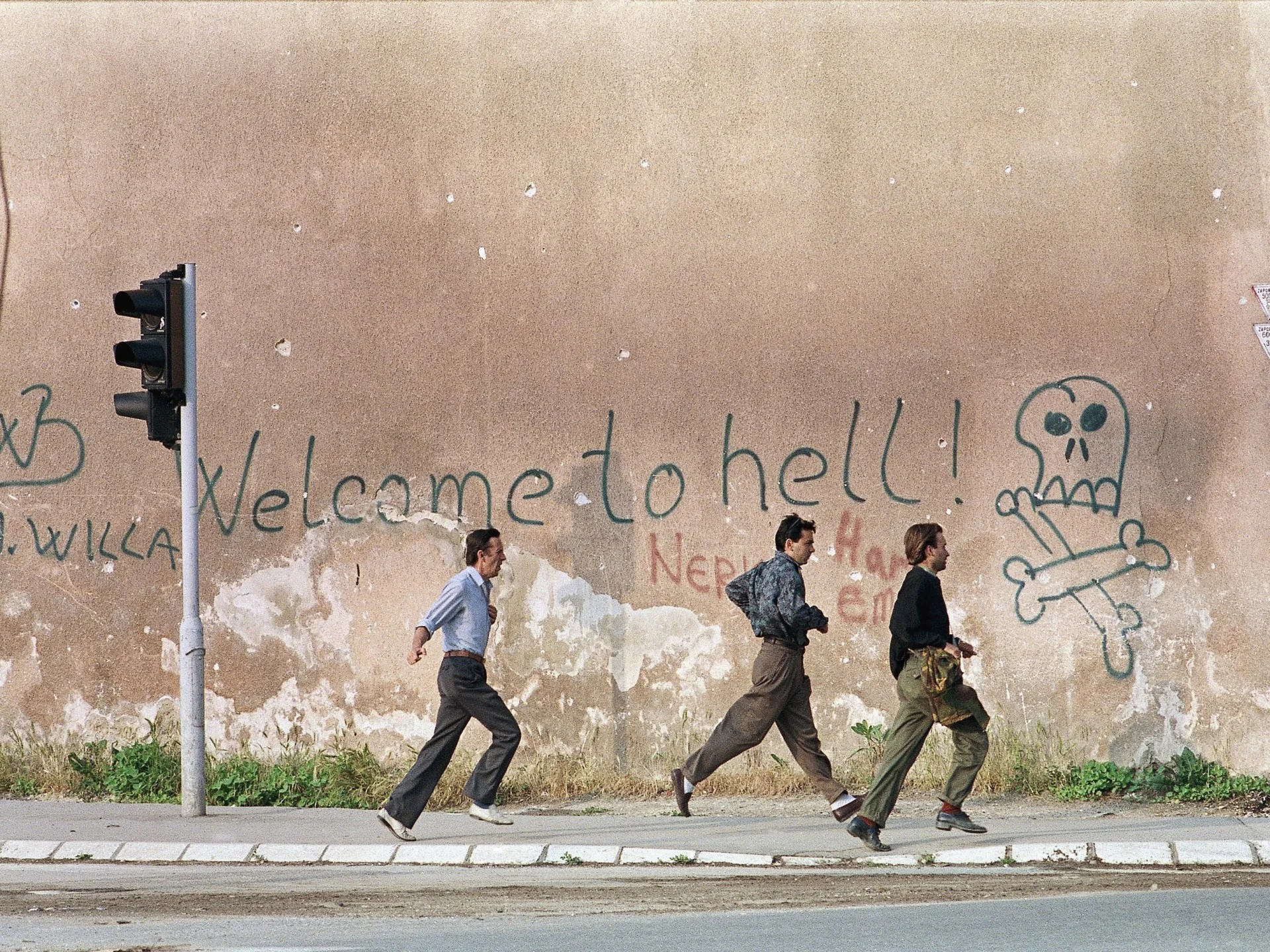
Italy’s public prosecutor’s office has initiated an investigation into claims that wealthy Italians participated in so-called “sniper safaris” to the besieged city of Sarajevo during the Bosnian war. This investigation, led by prosecutor Alessandro Gobbis, follows a legal complaint filed by journalist and novelist Ezio Gavazzeni.
Historical Context
The siege of Sarajevo lasted from 1992 to 1996 and was the longest siege on a city in modern European history. During this time, Bosnian-Serb forces bombarded the city, leading to the deaths of more than 11,000 people.
Operation Details
The alleged “sniper safaris” began as organized trips from Trieste, Italy. Participants paid between 75,000 and 100,000 euros (adjusted for inflation) to travel to Sarajevo and shoot at civilians, with specific targets listed on a price list. These trips were allegedly coordinated by the Yugoslav/Serbian Aviogenex airline.
Legal Complaint and Testimonies
Gavazzeni’s legal complaint alleges “murder aggravated by cruelty and despicable motives.” He claims that groups of Italians, including some from Turin and Milan, paid to kill defenseless civilians. Gavazzeni turned over all his evidence to the prosecutors.
Official Statements
Bosnian military intelligence officer Edin Subasic testified in 1994 that Italy’s Sismi intelligence agency was informed about these trips but took no further action. The Milan Prosecutor’s Office has also received a case file from former Sarajevo mayor Benjamina Karic, highlighting the involvement of “rich foreigners engaged in inhumane activities.”
International Implications
The investigation raises questions about the role of intelligence agencies and the potential complicity of wealthy individuals during wartime. While Serbia denies any involvement, investigators believe that Serbian intelligence services were aware of these trips.
Expert Perspectives on War Crimes and Accountability
Experts in international law argue that such actions constitute war crimes and highlight the need for thorough investigations to ensure accountability. They point out that while many perpetrators may have escaped justice, modern investigative techniques can still uncover evidence of past atrocities.
The case of “sniper safaris” serves as a reminder of the complex nature of wartime operations and the moral responsibilities of individuals and states during conflicts.