Key Highlights
- The confusion behind why turkeys are called “turkeys.”
- The role of the guinea fowl in misleading European naming.
- The cultural significance of turkey in American Thanksgiving traditions.
- The evolution of phrases like “cold turkey” and “talking turkey.”
A Bird’s Eye View: The Turkeys’ Journey to Our Tables
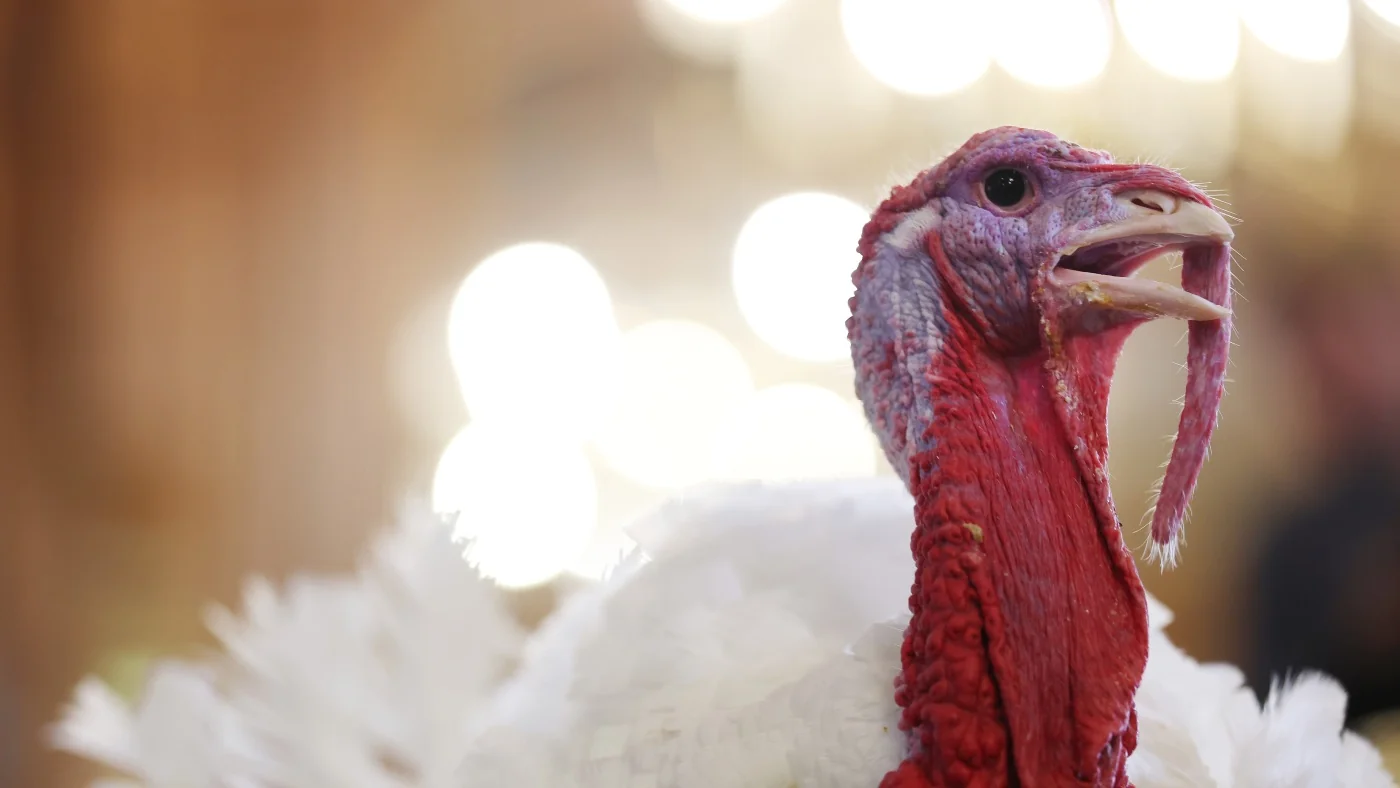
In the culinary world, the turkey is a star, especially during November. This year, Americans are expected to consume approximately 30 million turkeys on Thanksgiving day according to the National Turkey Federation. But how did this bird get its name and why does it hold such a significant place in our cultural lexicon?
The Naming Confusion
According to linguist and etymologist Anatoly Liberman, “Turkey” is a misleading term that has puzzled language scholars for centuries. The confusion began with the arrival of meleagris gallopavo, or the Thanksgiving turkey, in Europe during the 16th century. Historically, Europeans already had another bird they called a “turkey,” namely the African guinea fowl.
Lexicographer Erin McKean explains that these two game birds share similar physical characteristics and often ended up on dinner tables interchangeably. “I bet they look a lot more similar when they’re denuded of their feathers, roasted and on a plate,” she says. This led to the American bird being mistakenly labeled as a ‘turkey,’ a term that has persisted despite its inaccuracy.
A Culinary Tradition
Food historian Andrew F. Smith sheds light on the historical context of turkeys’ presence in America. He notes that these birds were domesticated in what’s now Mexico and the U.S.
Southwest, but the exact timeline is uncertain. By the 1520s, turkeys were being raised in Spain and served on dinner tables across Europe. Over time, they became a staple of celebrations like Christmas and eventually found their way to North America with English colonists.
By the early 17th century, when Jamestown was founded, turkeys had become an integral part of settlers’ traditions, including the first Thanksgiving in 1621. President Abraham Lincoln officially declared Thanksgiving a national holiday in 1863, cementing its place on American dinner tables.
Phrases Born of the Turkey
The turkey’s name has also given rise to several idiomatic expressions in the English language. “Talking turkey” was initially used as a social term meaning to be ‘agreeable,’ but later evolved into a phrase for speaking plainly and directly, often around the turn of the 20th century.
Another famous expression, “cold turkey,” originally described the lack of preparation needed to make the dish. It later came to mean abruptly quitting an addiction or habit without any gradual withdrawal process. These phrases highlight how deeply rooted turkeys are in our language and culture.
From Misnomer to Cultural Icon
The term “turkey” has a long history of being a misnomer, yet it continues to be used colloquially. Despite its uncertain etymology, the bird’s cultural significance remains. As McKean observes, “One thing we can’t lose sight of is that turkey is pretty much a fun word to say.” Its staying power speaks to its enduring presence in our culinary and linguistic lives.
As Thanksgiving approaches, let’s raise our forks and glasses in honor of this misunderstood bird that has become an integral part of American tradition. From its early history to its role in shaping modern language, the turkey’s journey is both curious and fascinating.