Key Highlights
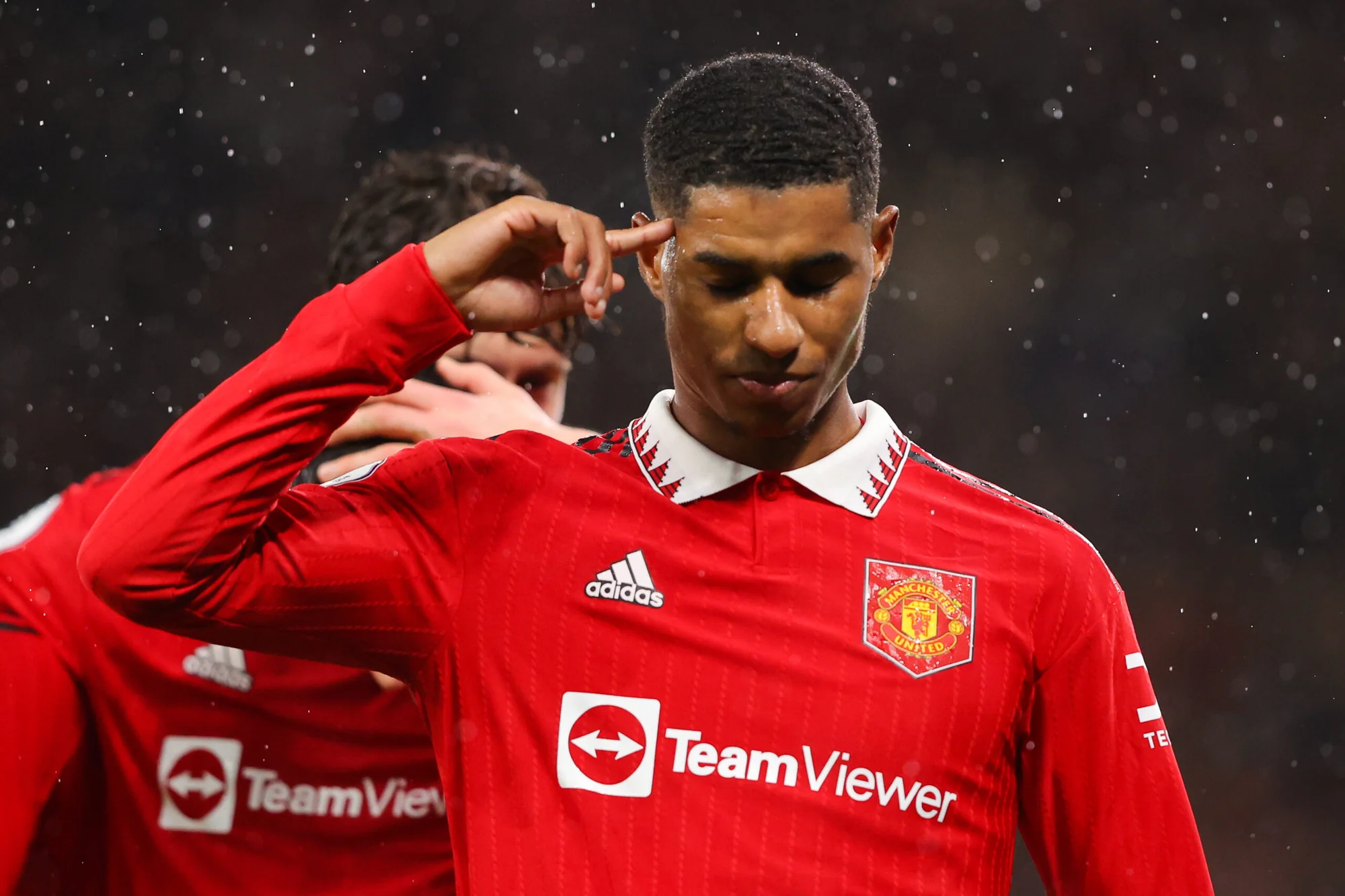
- Rashford has quickly become an integral player for Barcelona despite initial skepticism about his loan move.
- The English forward’s impact on the pitch is significant, contributing to goals and assists while adapting to new tactics.
- Barcelona’s cautious approach in signing Rashford involved multiple intermediaries and legal teams to finalize the deal.
- Rashford’s future at Barcelona remains uncertain as decisions will be influenced by performance, finances, and elections.
The Revival of Marcus Rashford’s Career: A Bold Move for Barça
Barcelona coach Hansi Flick had long admired Marcus Rashford’s talent. When the opportunity to sign the England forward on loan presented itself this past summer, Flick saw an opportunity to bolster his attacking lineup with a player who could bring both experience and quality.
A Complex Deal: The Journey to Barça
The signing of Rashford was not without its challenges. According to sources close to the situation, the deal required several intermediaries including Spanish agents Arturo Canales and Fernando Solanas, as well as a law firm with ties to Manchester City. This complex arrangement underscores the strategic importance of securing a player who could provide immediate impact.
Rashford’s Adaptation: From Back-Up Player to Key Figure
Despite initially being expected to serve as backup, Rashford has become an ever-present forward for Barcelona in all competitions this season. His contributions have been pivotal; he is one of four players to feature in every match so far, alongside Pedri, Eric García, and Jules Koundé.
“Rashford is a spectacular player,” shared defender Ronald Araújo. “He’s happy here in Barcelona. The team took to him really quickly when he arrived. You can see that on the pitch.” Araújo’s words reflect how Rashford has seamlessly integrated into the squad, even as teammates like Lamine Yamal and Raphinha have been sidelined by injuries.
Performance and Future Prospects
Rashford’s tactical adaptability under Flick has been notable. While he initially struggled with tactical positioning, his performances have shown significant improvement. He averages 5.97 take-ons per 90 minutes in LaLiga, though the club would like to see this number increase.
“Our style is focused on high intensity and this is what I want to see also from him,” Flick stated post-Newcastle win, emphasizing Rashford’s potential for growth off the ball.
As Barcelona faces critical matches against Olympiacos in the Champions League and Real Madrid in El Clásico, Rashford’s role will be crucial.
Barcelona’s management of his contract offers a unique perspective on their strategy. With a €30 million option to make the deal permanent, Laporta’s future as president and the club’s financial constraints could influence whether they pursue this path. Regardless, for now, Rashford’s presence is strengthening Barcelona’s attack.
Conclusion
A Strategic Move with Uncertain Futures
The signing of Marcus Rashford represents a calculated risk by Barcelona. While his immediate impact has been undeniable, the club will need to balance his continued development against potential long-term plans and financial considerations. As Barcelona embarks on a crucial season, Rashford’s performance will be key in determining his future with the team.