Key Highlights
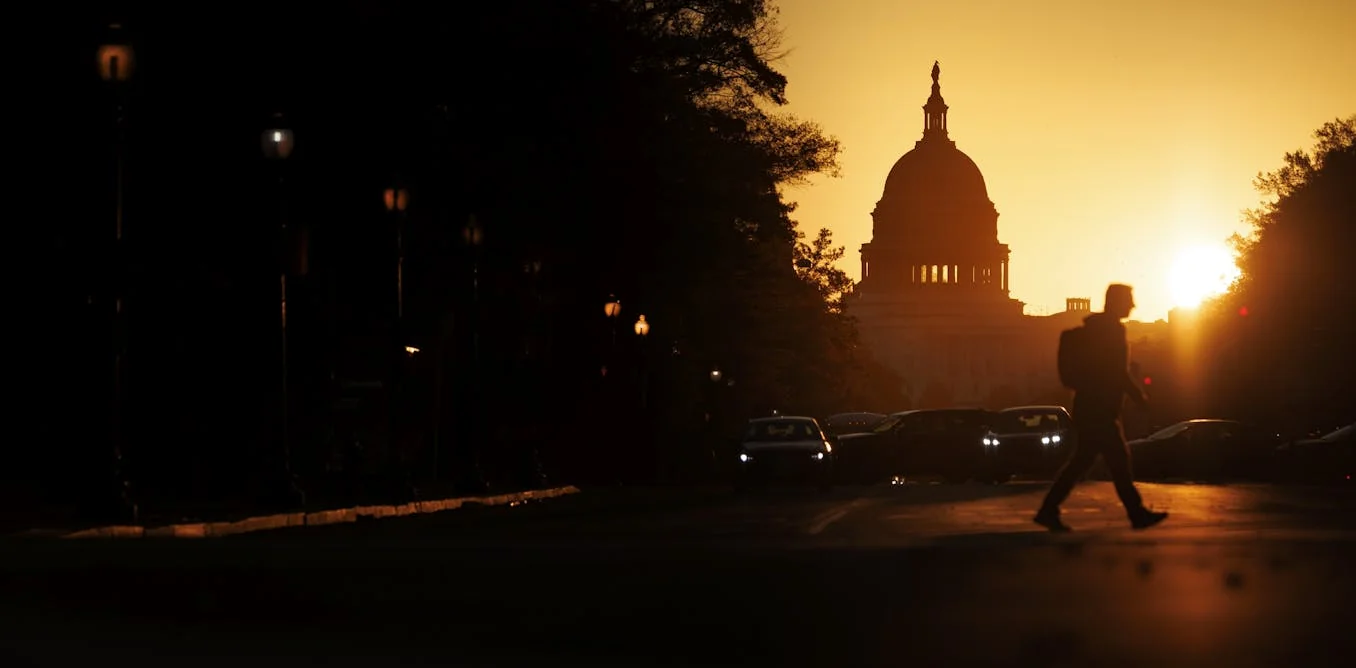
- The U.S. Capitol is seen on November 5, 2025.
- Rep.-elect Adelita Grijalva has not been sworn into office despite formal certification by the Arizona secretary of state.
- Republican House Speaker Mike Johnson claims the government shutdown means Grijalva must wait until normal operations resume.
- The lawsuit filed by Arizona Attorney General Kris Mayes alleges that Johnson is using his power to “strengthen his hand” in the budget battle.
Background on the Oath of Office and House Procedures
The U.S. Constitution requires all members of Congress, including those in the House of Representatives, to take an oath of office before assuming their positions. However, the specific details and administration of this oath have historically been left to Congress itself.
Historical Context
According to Jennifer Selin, Associate Professor of Law at Arizona State University, the speaker of the House has traditionally held the authority to administer the oath of office. This historical precedent dates back to 1929 when House Speaker Nicolas Longworth changed the tradition from swearing in members state by state to a collective unit.
The Current Dispute
Rep.-elect Adelita Grijalva won a special election in Arizona on September 23, 2025. Despite her certification as the winner, she has not been sworn into office due to the ongoing government shutdown initiated by Republican House Speaker Mike Johnson.
Lawsuit and Political Implications
Arizona Attorney General Kris Mayes filed a lawsuit on October 21, 2025, alleging that Johnson’s actions are politically motivated. The delay in administering Grijalva’s oath is the longest in modern history, significantly impacting her ability to represent over 800,000 constituents.
Historical Precedents
Selin notes that while there have been delays in administering oaths during previous government shutdowns, such as Nancy Pelosi’s administration of Julia Letlow’s oath on April 27, 2021, the current situation is unprecedented. The “Pelosi precedent” refers to this delay but does not legally bind Johnson.
Expert Analysis
The dispute highlights the complex interplay between government operations and legislative procedures during periods of shutdown. Selin emphasizes that while historical power dynamics suggest the speaker’s prerogative, legal ambiguities exist regarding when exactly an oath must be administered.
Future Implications
The case underscores the broader issues surrounding political maneuvering and the impact on representative democracy during government crises. As the shutdown continues, Grijalva remains in a unique position, waiting for the federal government to resume normal operations before she can fully assume her role as a member of Congress.