Key Highlights
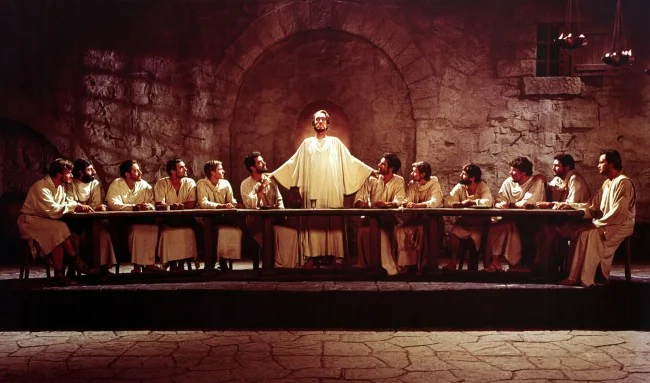
- Academy Museum of Motion Pictures premiered a new 4K restoration of “The Greatest Story Ever Told” (1965), directed by George Stevens.
- Director Martin Scorsese celebrated Stevens’ masterpiece, highlighting its technical and artistic achievements.
- Guillermo del Toro delivered a lecture on the film, emphasizing its cultural significance and influence on future filmmakers.
- The restoration was overseen by Scorsese’s Film Foundation, supervised by George Stevens Jr.
The Restoration of “The Greatest Story Ever Told”
On Saturday, the Academy Museum of Motion Pictures in Los Angeles unveiled a new 4K restoration of George Stevens’ monumental 1965 biblical epic, “The Greatest Story Ever Told.” This project, spearheaded by Martin Scorsese’s Film Foundation and overseen by Stevens’ son, George Stevens Jr., marks a significant milestone in the preservation of cinematic history.
Scorsese’s Tribute to Stevens
In his introductory video, Scorsese paid homage to Stevens as a director who pushed the boundaries of filmmaking. “The film was shot in Ultra Panavision 70 with lenses that yielded an aspect ratio of 2.76 to 1,” Scorsese noted, praising its breathtaking visual impact. He elaborated on how Stevens’ work embodied a profound exploration of human nature and morality, culminating in “The Greatest Story Ever Told.” According to Scorsese, “It’s the final movement of Stevens’ multi-picture symphony. He wanted to embody the tragedy and redemption of humanity on every level.”
Del Toro’s Lecture
Following Scorsese’s introduction, Guillermo del Toro delivered a 20-minute lecture at the Academy Museum, providing rich historical context for “The Greatest Story Ever Told.” Del Toro, a lifelong Stevens enthusiast and Film Foundation board member, discussed how Stevens’ career spanned several epochs of filmmaking, including his wartime documentaries and post-war American epics. Del Toro emphasized that Stevens was not merely a classical filmmaker but also a modernist who influenced key directors such as Martin Ritt, Warren Beatty, and Terrence Malick.
Del Toro cited the example of Warren Beatty studying the sound mix of “Shane” for his climactic shoot-out in “Bonnie and Clyde,” highlighting Stevens’ innovative techniques. He also drew parallels between Stevens’ age and our own, both in terms of world politics and upheaval in the film industry. Del Toro explained that “The Greatest Story Ever Told” represented a demonstration of all that Stevens had learned about good and evil since liberating Dachau concentration camp during World War II.
Historical Context and Significance
“One of the questions he was trying to grapple with was that no one group crucified Jesus,” Del Toro said, referring to Stevens’ perspective on human responsibility. “We all crucified Jesus.” For del Toro, what stands out about “The Greatest Story Ever Told” and Stevens’ body of work is its hopefulness and faith, reflecting a profound humanistic point of view.
The premiere at the Academy Museum was part of the institution’s ongoing lecture series on the art of filmmaking. Del Toro’s lecture not only celebrated Stevens’ legacy but also underscored his enduring influence on contemporary cinema. “If you grow up Mexican,” del Toro said, “every Easter you saw this movie. It’s Saturday, but let’s have Easter together.” This statement encapsulates the film’s cultural significance and its ability to connect audiences across generations.
The event at the Academy Museum marked a significant moment in honoring the legacy of George Stevens, with both Scorsese and del Toro paying tribute to his extraordinary artistry. The restoration of “The Greatest Story Ever Told” serves as a testament to the enduring power of cinematic storytelling and the importance of preserving such masterpieces for future generations.