Key Highlights
- Gilbert Arenas reveals that under-the-table payments are common in the NBA.
- The issues stem from salary cap limitations and teams’ need to retain star players.
- Examples include LeBron James’ Klutch Sports agency and Stephen Curry’s partnership with Under Armour.
- Arenas suggests these practices are normal, challenging traditional views on player business activities.
The Dark Side of NBA Business Practices Revealed by Gilbert Arenas
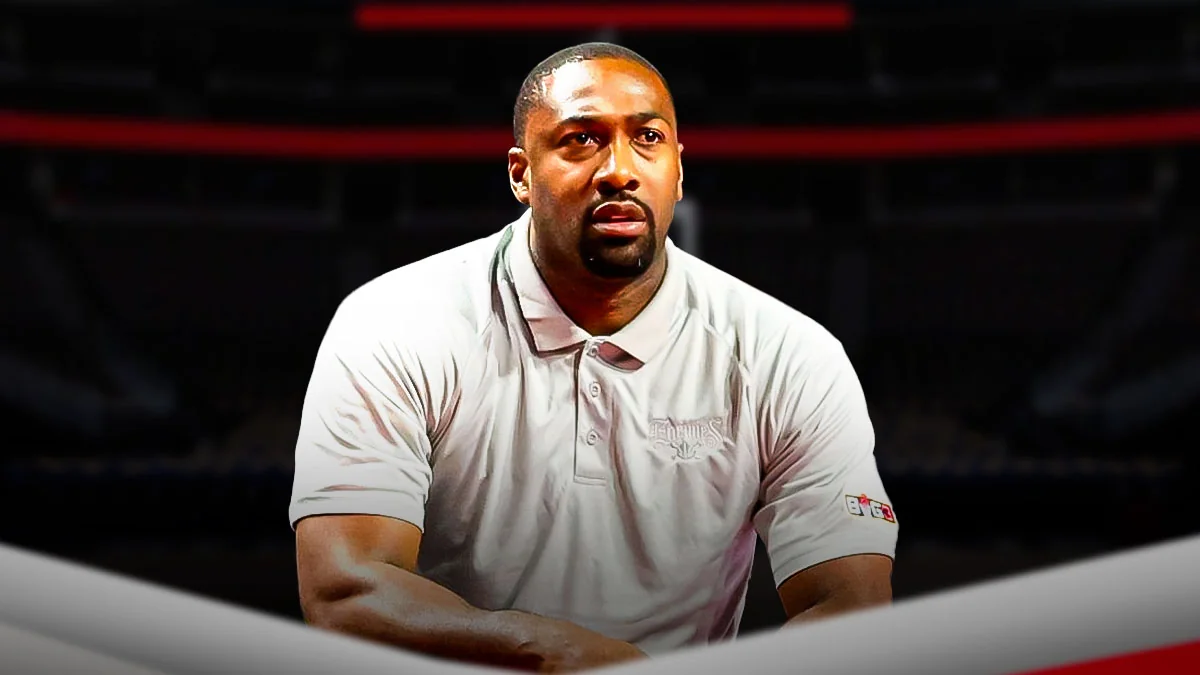
Gilbert Arenas, the former NBA All-Star and current analyst, has shed light on a controversial practice within the league: under-the-table payments. In an interview, Arenas disclosed that such arrangements are not uncommon in the NBA, stating, “If I secretly wanna pay you under the table, I’m gonna do it.”
The Challenges of Salary Caps
One of the primary reasons behind these practices is the salary cap system. Teams often find themselves unable to fully compensate star players due to financial constraints. This gap creates an opportunity for creative solutions that allow teams and players to circumvent the strict rules set by the collective bargaining agreement.
Examples of Creative Solutions
Arenas provided several examples of how teams and players navigate these challenges:
- Klutch Sports Agency: LeBron James’ management company allows his players to sign with specific teams through strategic connections, enabling them to receive larger salaries or additional benefits.
- Curry’s Under Armour Partnership: The Golden State Warriors’ star player has created an ecosystem where his endorsement deals and the brand’s presence in San Francisco support both his personal financial interests and the team’s success. This partnership alleviates pressure on the salary cap while enhancing the team’s marketability.
The Broader Implications for Players and Teams
According to Arenas, these practices are now seen as normal within the league. He explained that players understand they can leverage their influence to maximize their financial gains. This shift in perspective is evident from the various ways teams retain top talent:
- Giannis Antetokounmpo’s Brother: Alex Antetokounmpo, Giannis’ younger brother, signed with the Milwaukee Bucks under a deal that went beyond traditional salary negotiations.
This move reflects how teams and players are finding loopholes to ensure star players remain happy and motivated.
- Golden State Warriors’ Ecosystem: The success of the Golden State Warriors is not just about on-court performance but also about their off-the-court strategies, such as brand partnerships that create a win-win situation for both the team and its players.
Arenas’ insights highlight the evolving landscape of NBA business practices. While these tactics may be seen as unconventional by fans, they represent a necessary adaptation to the complex financial realities of professional basketball. The future of the league will likely see more of such strategies as teams continue to search for ways to retain top talent and remain competitive.
Conclusion
The revelations from Gilbert Arenas underscore the complexity of NBA business practices. As the league continues to navigate the challenges posed by salary caps, creative solutions like under-the-table payments will likely become more prevalent. Fans and stakeholders must adapt their understanding of player conduct and team strategies in this new landscape.