Key Highlights
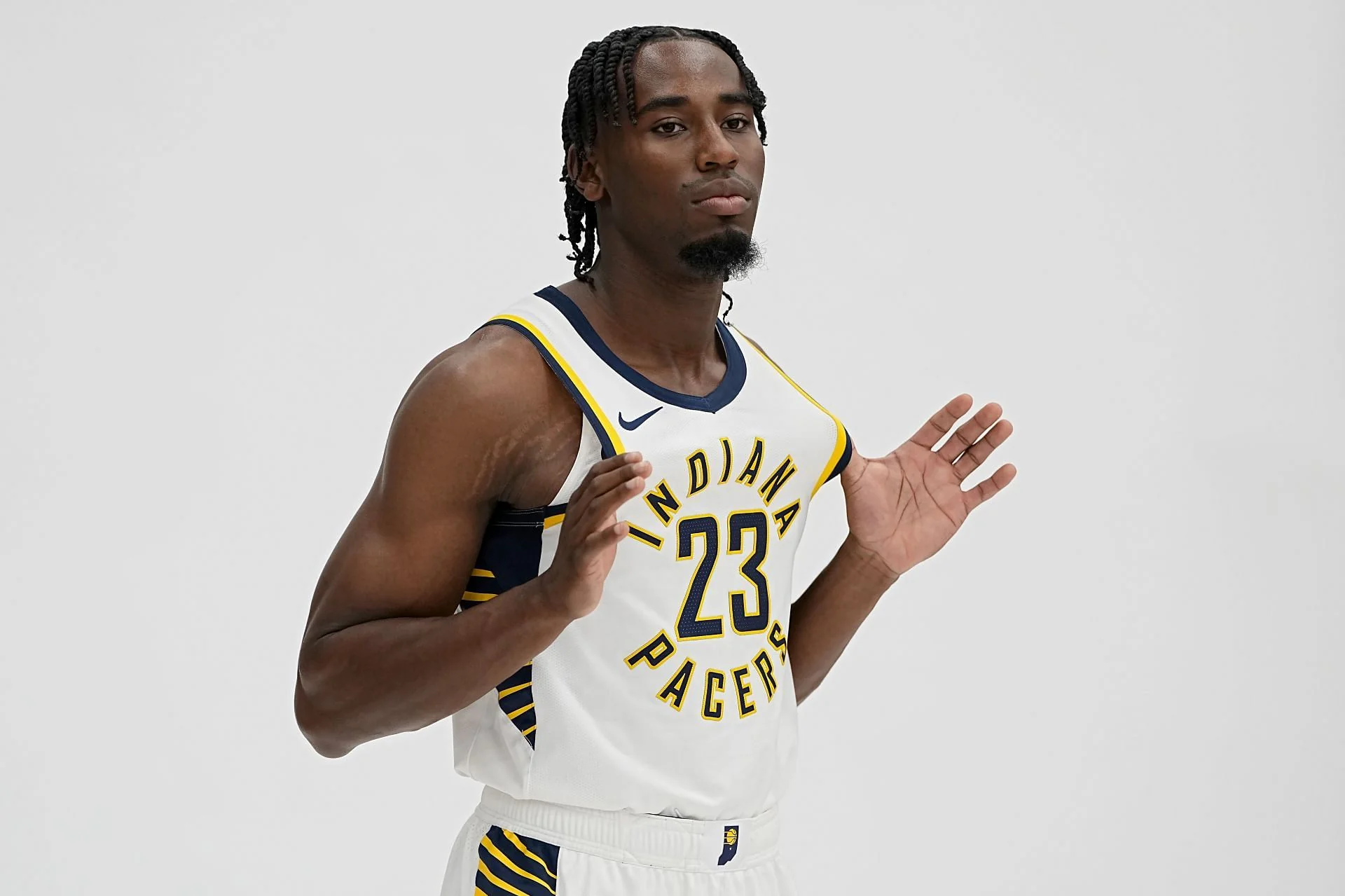
- Aaron Nesmith secured a two-year extension with the Pacers for $40.4 million.
- This contract is seen as a bargain due to its lower percentage of the salary cap in future years.
- The NBA’s extension rules limit players’ ability to secure larger contracts early in their careers.
- Team-friendly contracts often lead to additional valuable extensions, creating a virtuous cycle for successful teams.
Understanding the Value of Aaron Nesmith’s Extension
The Indiana Pacers secured a significant deal with Aaron Nesmith by offering him a two-year extension worth $40.4 million. This contract appears to be a bargain, especially considering its low percentage of the salary cap in future years.
When compared to other players like Jaden McDaniels or OG Anunoby, who have received much higher salaries for similar roles, Nesmith’s deal stands out as more favorable to his team. His extension is based on the 140% rule, which restricts him from earning a larger percentage of the cap early in his career.
The NBA’s Extension Rules and Their Impact
Aaron Nesmith’s contract exemplifies how the NBA’s extension rules can significantly impact player salaries. These rules are designed to balance team flexibility with financial responsibility, but they often result in players receiving below-market deals during their early years.
For instance, a standard veteran extension is capped at 140% of the salary he earned in his last year as a rookie or one of two figures: either 140% of his existing contract’s final year’s salary or 140% of the estimated average player salary. This rule limits Nesmith and other players to earning less than their market value early in their careers.
Experts explain that these rules are a double-edged sword. While they ensure teams retain key players, they also limit financial flexibility and can result in undervalued contracts for players like Nesmith.
The Strategy of Team-Friendly Contracts
Teams often use these lower extensions to build a core group of valuable players at reduced costs. The Pacers have demonstrated this strategy by extending players early, securing commitments that could pay off in the long run. This approach can create a virtuous cycle where initial contracts lead to future high-value deals.
Other teams, such as the Denver Nuggets, have faced challenges with this approach.
Zeke Nnaji’s contract turned out to be a dead weight on their payroll, highlighting the risks associated with early extensions. However, for successful teams like the Pacers, these strategies can pay off significantly in the long term.
Team-friendly contracts are becoming increasingly common as NBA teams navigate rising cap environments and the need to balance short-term costs with long-term investments. The success of these strategies hinges on a team’s ability to identify undervalued players early and capitalize on their potential through strategic contract negotiations.
Conclusion
The Future of Team Building in the NBA
The Aaron Nesmith deal is just one example of how the NBA’s extension rules shape player contracts. Teams that can navigate these rules effectively are more likely to build successful rosters and compete at high levels over multiple seasons. As the cap continues to rise, teams will face increasing pressure to balance short-term costs with long-term strategic investments.
For players like Nesmith, securing a team-friendly contract early in their careers sets them up for future opportunities that could significantly increase their earning potential. For teams, these deals can provide stability and flexibility, making the NBA a complex but rewarding league for both sides involved.