Key Highlights
- President John F. Kennedy announced the discovery of Soviet nuclear missile sites in Cuba on October 22, 1962.
- A naval blockade was implemented to prevent further missiles from reaching Cuba.
- This event marked a critical moment during the Cold War and is known as the Cuban Missile Crisis.
- The U.S. announced its findings in an address to the nation, drawing immediate international attention.
The Discovery of Soviet Nuclear Weapons in Cuba
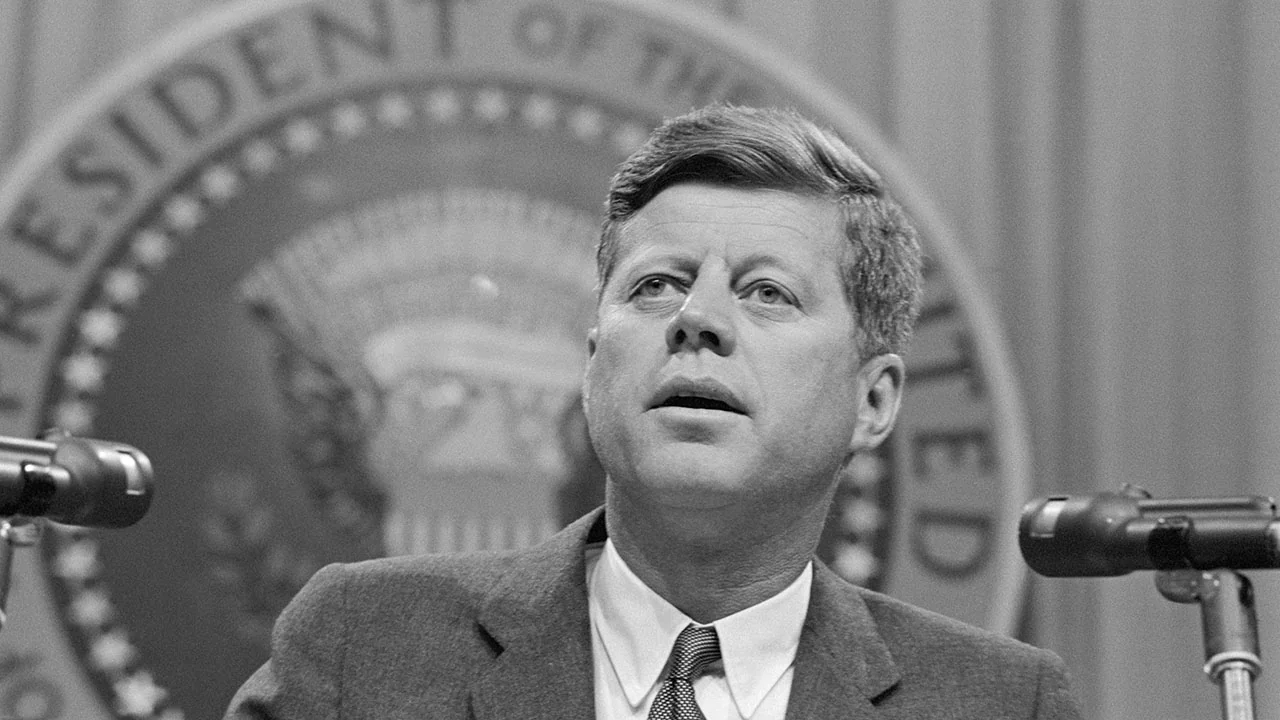
On October 22, 1962, President John F. Kennedy delivered a televised address that would go down in history as one of the most pivotal moments of the Cold War era. In his speech, Kennedy informed the American public about the discovery of Soviet nuclear missile sites on the Caribbean island of Cuba. This revelation came after U.S. intelligence had identified the presence of these missiles, which posed an unprecedented threat to global security.
The Implementation of a Naval Blockade
In response to this alarming news, Kennedy announced that a naval blockade would be established around Cuba. The purpose was to prevent any additional missile shipments from reaching the island and to demand the dismantling of existing missile sites. This measure was not only a significant military action but also a diplomatic challenge, as it raised the stakes for both superpowers.
The announcement sparked immediate international concern and tension.
Kennedy’s address was broadcast live on CBS News, providing real-time coverage to millions of viewers across the nation and around the world. The network’s special report highlighted the gravity of the situation, underscoring the potential for global conflict if the crisis escalated further.
The Cuban Missile Crisis: A Turning Point
The discovery of Soviet nuclear weapons in Cuba marked a critical juncture during the Cold War. Known as the Cuban Missile Crisis, this event tested the resolve and strategy of both the United States and the Soviet Union. The crisis brought the world to the brink of nuclear war, leading to intense negotiations and eventual de-escalation.
According to historian Robert F.
Kennedy (JFK’s brother), who played a key role in managing the crisis on behalf of his brother, “The Cuban Missile Crisis was the most dangerous moment that our nation has ever faced.” The U.S. and Soviet Union engaged in a tense standoff, with both sides refusing to back down.
After several days of negotiation and intense diplomatic efforts, including secret communications between Kennedy and Soviet Premier Nikita Khrushchev, an agreement was reached. The Soviets agreed to dismantle their missile sites in Cuba in exchange for the U.S. publicly promising not to invade the island and secretly removing its missiles from Turkey.
Conclusion
The announcement of Soviet nuclear weapons in Cuba by President John F. Kennedy on October 22, 1962, is a testament to the high stakes and perilous nature of Cold War tensions. The implementation of a naval blockade and the subsequent Cuban Missile Crisis served as a stark reminder of the potential for global conflict during this era of ideological division.
This event remains a significant chapter in modern history, influencing both U.S. foreign policy and international relations.
The crisis highlighted the importance of diplomacy and negotiation in resolving conflicts that could have catastrophic consequences. As we reflect on this historic moment, it serves as a cautionary tale about the dangers of nuclear proliferation and the need for ongoing efforts to maintain global peace.