Key Highlights
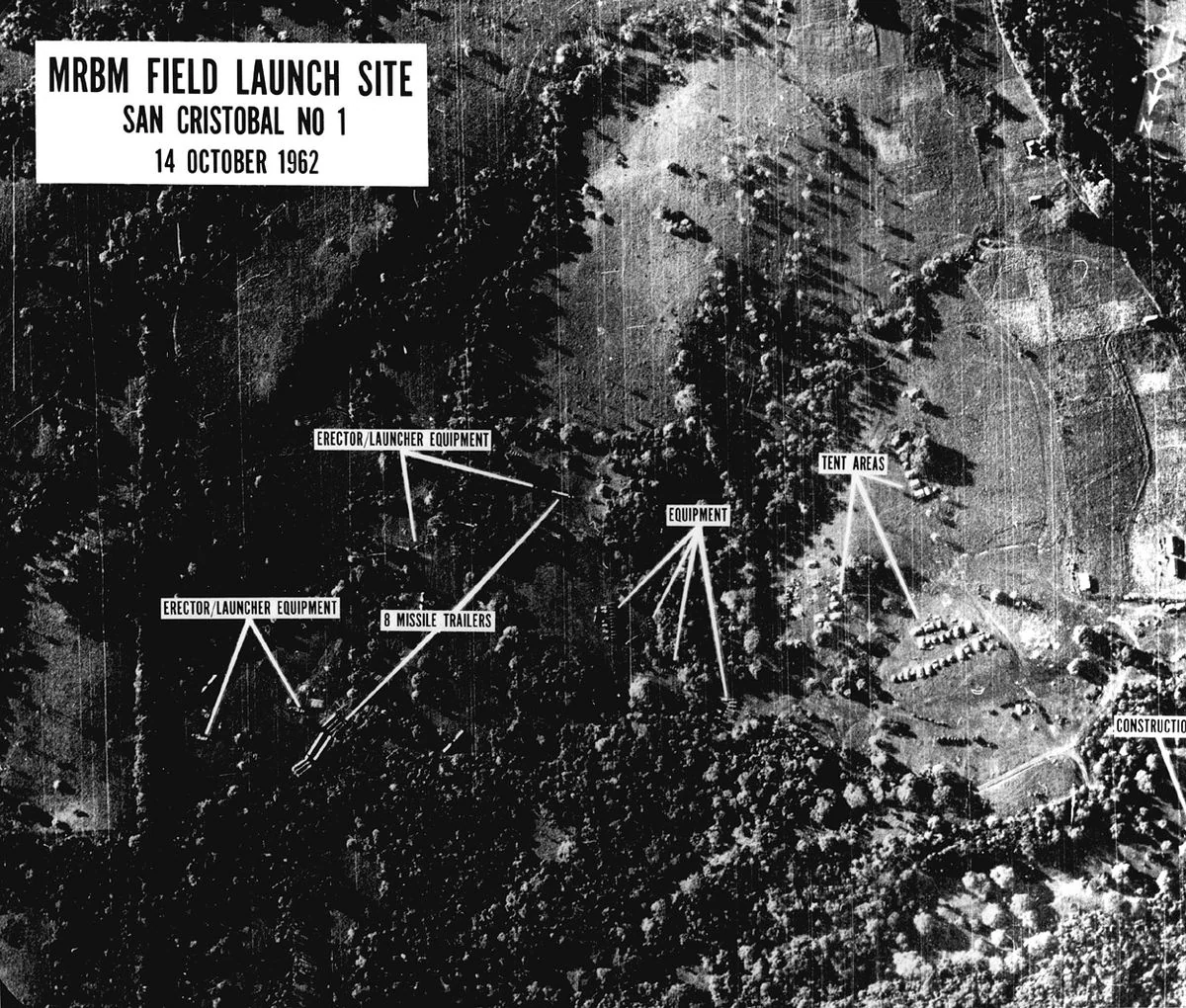
- The Cuban Missile Crisis began on October 16, 1962, when the U.S. discovered Soviet missiles in Cuba.
- This crisis brought the United States and the Soviet Union to the brink of a nuclear conflict.
- Robert Kennedy held secret talks with Soviet Ambassador Anatoly Dobrynin to negotiate a peaceful resolution.
- The crisis lasted for 13 days, ending on October 28, 1962, when the U.S. agreed to remove its missiles from Turkey in exchange for dismantling Soviet missiles in Cuba.
Background and Context of the Cuban Missile Crisis
The Cold War, a period characterized by political tension between the United States and the Soviet Union, was marked by several crises. The Cuban Missile Crisis stands out as one of the most critical, with its origins tracing back to July 1962 when Premier Nikita Khrushchev struck a secret agreement with Fidel Castro for the deployment of Soviet missiles on the island.
At that time, Cuba had just undergone a revolution, bringing Communist ideology to the Western Hemisphere. The U.S., aware of its strategic importance, was unaware of the full extent of the Soviet military build-up in Cuba. This misalignment set the stage for the impending confrontation between the two superpowers.
Discovery and Initial Response
McGeorge Bundy, National Security Adviser to President John F. Kennedy, walked into the White House on October 16, 1962, armed with evidence of Soviet missile deployment in Cuba. This revelation set off alarm bells across the administration.
The U.S. response was swift but cautious.
A naval quarantine was established around Cuba to prevent further Soviet military supplies from reaching the island. President Kennedy also ordered reconnaissance flights over Cuba, leading to the confirmation of missile installations by U-2 spy planes.
Negotiations and Resolution
In a clandestine meeting with Anatoly Dobrynin, Soviet Ambassador to the United States, Robert F. Kennedy attempted to negotiate a peaceful resolution. These secret talks laid the groundwork for direct communication between the two nations during the crisis.
The negotiations culminated in an agreement on October 28, 1962.
The U.S. agreed to remove its missiles from Turkey in exchange for the dismantling of Soviet missiles in Cuba. This resolution averted what could have been a catastrophic nuclear conflict and marked a significant turning point in Cold War history.
Conclusion
The Cuban Missile Crisis remains one of the most critical moments in U.S.-Soviet relations, showcasing the potential for misunderstanding and miscalculation. The crisis also highlighted the importance of direct communication between adversaries to prevent escalation into nuclear war. It serves as a sobering reminder of the fragility of peace during the Cold War era.