Key Highlights
- Rice University announces the creation of the Rice Brain Institute (RBI) with a $100 million gift from the Edward Fein Charitable Trust.
- The University of California San Francisco receives a $100 million donation to support its Memory and Aging Center, renamed as the Edward and Pearl Fein Memory and Aging Center.
- Massachusetts Institute of Technology (MIT) establishes the Rare Brain Disorders Nexus (RareNet) with a gift from alumni Ana Méndez and Rajeev Jayavant.
- The University of Cincinnati Gardner Neuroscience Institute receives a $20 million donation to support research and treatment for memory disorders, aiming for ADRC status.
New Investments in Brain Science by Leading Universities
Four prominent universities have recently launched major new initiatives in brain science, reflecting their commitment to addressing neurological disorders and advancing medical research. This development comes at a critical time when the rates of conditions such as Alzheimer’s disease are on the rise, with significant social and economic costs associated with these diseases.
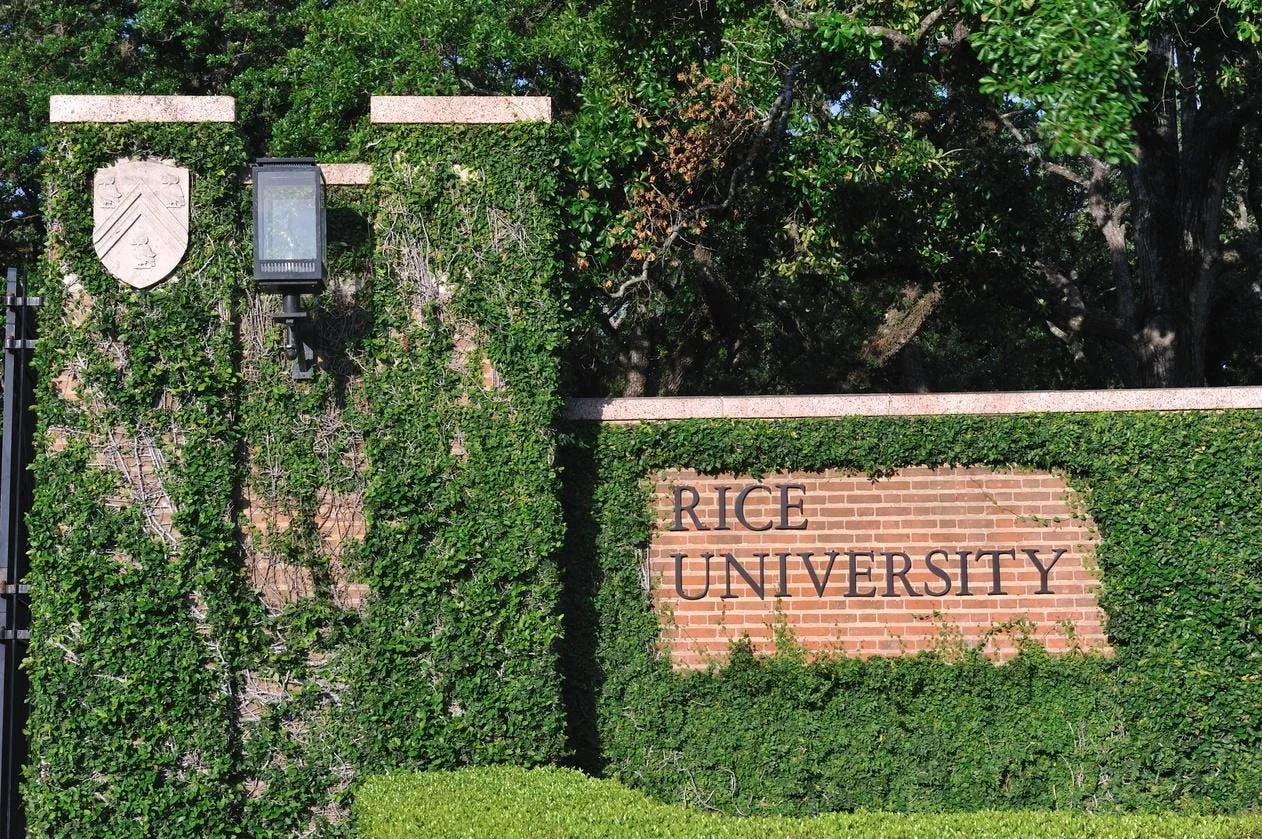
Rice University: Creating the Rice Brain Institute (RBI)
On October 30, 2025, Rice University announced the creation of the Rice Brain Institute (RBI), an interdisciplinary center designed to bring together researchers from across campus. This initiative aligns with efforts to support the Dementia Prevention Research Institute of Texas, which was signed into law in May 2025 and will be voted on by November 4 as Proposition 14.
The RBI will focus on four major areas: Brain Injury (Traumatic Brain Injury & Stroke), Neurodegenerative Diseases, Neurodevelopmental Diseases, and Depression & Mental Illness. The institute aims to improve brain health through a combination of neuroscience, neuroengineering, and the study of how brain function impacts society.
University of California San Francisco: Renamed Memory and Aging Center
The University of California San Francisco (UCSF) received a $100 million gift from the Edward Fein Charitable Trust. This private gift will provide unrestricted financial support for its Memory and Aging Center, which will now be renamed as the Edward and Pearl Fein Memory and Aging Center. This is the first time UCSF has used a private gift to name one of its divisions.
The center houses 38 faculty members from various fields such as neurology, geriatrics, psychiatry, cognitive psychology, neuroscience, and nursing. Their research includes the development of new imaging and blood tests for Alzheimer’s disease and leading national clinical trials to assess new therapies and diagnostics for this condition.
Massachusetts Institute of Technology (MIT): Establishing the Rare Brain Disorders Nexus (RareNet)
MIT is also making significant strides in brain research with its establishment of the Rare Brain Disorders Nexus (RareNet) at the McGovern Institute for Brain Research. This initiative was made possible through a gift from alumni Ana Méndez and Rajeev Jayavant, totaling $100 million.
RareNet will convene leaders in neuroscience, medicine, patient advocacy, and industry to streamline the lab-to-clinic pipeline for rare brain disorder treatments. The first group of projects under RareNet will address Rett syndrome, prion disease, disorders linked to SYNGAP1 mutations, and Sturge-Weber syndrome.
The institute plans to achieve this through two initiatives: a global consortium that aims to connect siloed research efforts, secure more patient samples, promote data sharing, and drive goal alignment; and a therapy pipeline accelerator aimed at de-risking early lab discoveries and expediting their translation to clinics. This will foster targeted collaborations between academia and industry.
University of Cincinnati: Gardner Neuroscience Institute
The University of Cincinnati’s Gardner Neuroscience Institute recently announced a $20 million gift from the James J. and Joan A. Gardner Family Foundation to support research and treatment for memory disorders, as well as efforts to gain designation as an Alzheimer’s Disease Research Center (ADRC). Founded in 2019, the institute employs more than 125 physicians across various specialty areas.
According to Kyle Johns, a trustee of the James J. and Joan A.
Gardner Family Foundation, this gift is aimed at achieving bold goals such as earning ADRC status, becoming the first adult neuroscience institute in the U.S. to implement a learning health system, and ultimately reaching top-five national recognition.
This series of investments by leading universities highlights their commitment to advancing brain science and addressing the increasing prevalence of neurological disorders. These initiatives are crucial steps towards developing new treatments and improving quality of life for individuals affected by these conditions.