Key Highlights
- The former Illinois sheriff’s deputy on trial in Sonya Massey’s death testified that he did not use his stun gun because of her clothing.
- Grayson perceived a threat from Massey and shot her, citing the need for lethal force to stop an alleged attack with boiling water.
- The defense rested its case, and closing arguments and jury deliberations are set to begin on October 27, 2025.
- The prosecution has called expert witnesses who testified that Grayson was not facing a credible threat at the time of the shooting.
Background and Context
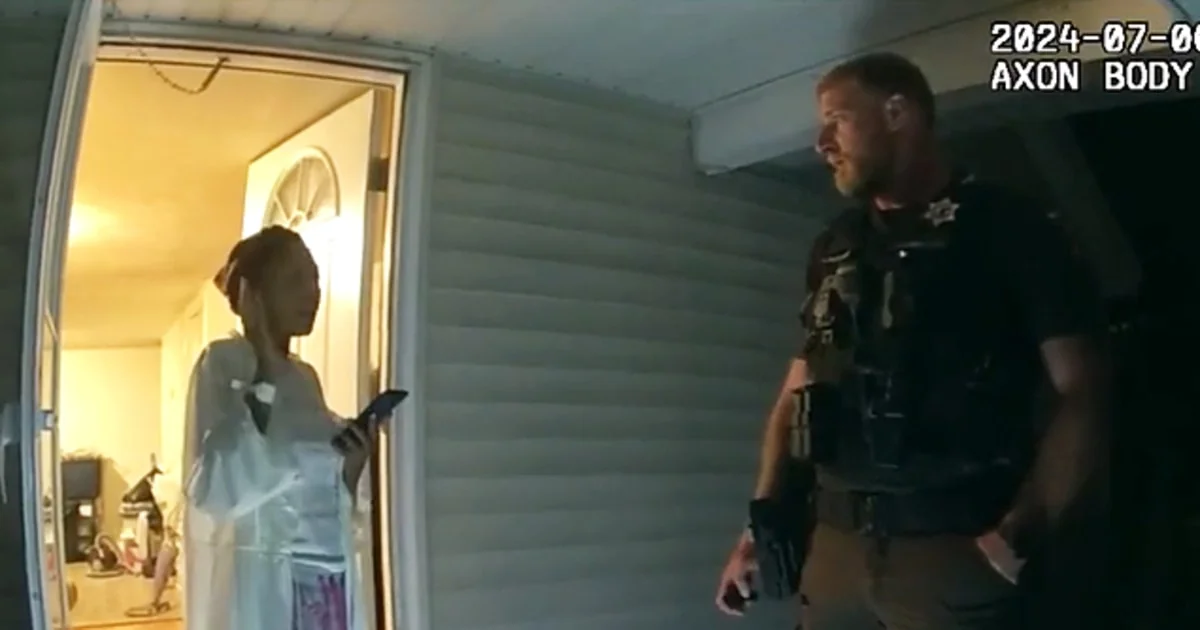
The trial of Sean Grayson, a former Illinois sheriff’s deputy involved in the fatal shooting of Sonya Massey, has reached its critical phase. The case has garnered significant attention due to the circumstances surrounding Massey’s death on July 6, 2024.
Incident Overview
The incident occurred when Grayson and his partner, Dawson Farley, responded to a call at Massey’s home in Springfield, Illinois. Upon arrival, they noticed a vehicle with broken windows outside the residence, which was later confirmed as belonging to Massey.
Witness Testimonies and Legal Proceedings
Grayson testified that he did not use his stun gun because he was unsure if it would work due to Massey’s clothing. He emphasized that he perceived a threat from her actions, including when she said, “I rebuke you in the name of Jesus,” while holding a pot of boiling water.
Grayson explained his decision to approach and shoot Massey by stating, “I wasn’t quite sure what she was going to do,” and that he believed she intended to throw the water at him. He admitted that he should have turned on his body-worn camera earlier but acknowledged that it did not affect his actions during the encounter.
Expert Testimonies
The defense presented two expert witnesses who argued that Grayson’s use of force was appropriate as a de-escalation technique. However, the prosecution called expert witnesses in police training who testified that Grayson was not facing a credible threat and that his actions escalated the situation.
Closing Arguments and Future Proceedings
As of October 27, 2025, the defense has rested its case. The jury is expected to hear closing arguments and start deliberating on the same day. The trial has already heard testimonies from 15 witnesses, including Grayson, Farley, other Sangamon County deputies, crime scene investigators, and law enforcement experts with conflicting views.
Expert witness Kevin Davis testified that he believed Grayson’s use of force was warranted, while prosecutors have laid out a case suggesting that the situation did not necessitate lethal force.
The jury’s decision will be crucial in determining whether Grayson’s actions were justified under Illinois law.
The case highlights ongoing debates about police training, de-escalation techniques, and the appropriate use of lethal force during encounters with civilians. As the trial progresses, legal experts anticipate that this case could set important precedents for future similar incidents.