Key Highlights
- The death toll in Indonesia from devastating floods caused by a rare tropical storm has risen to 442.
- Over 508 people are missing, and nearly 2,500 have been injured as rescue efforts continue across affected regions.
- Heavy rains also hit Thailand, Malaysia, the Philippines, and Sri Lanka, with over 900 deaths reported in Asia this month.
- Aid has been slow to reach some areas due to destroyed infrastructure, leading to reports of looting and people resorting to drinking rainwater for survival.
The Devastating Impact: Indonesia’s Flood Crisis
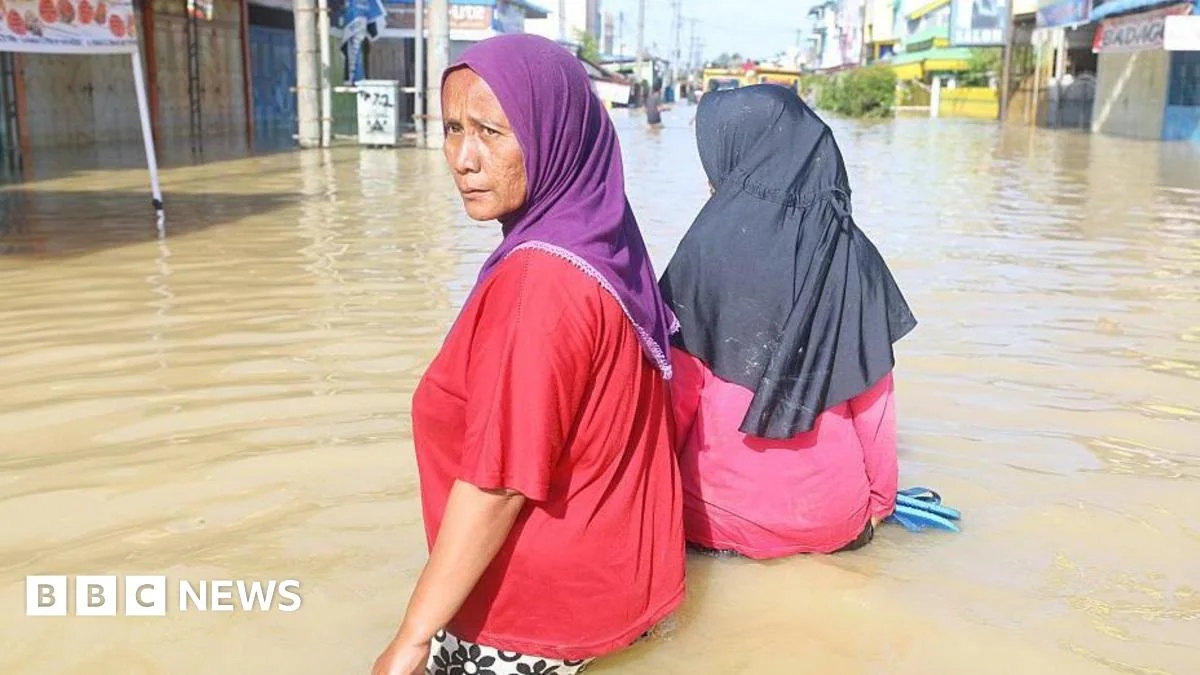
Indonesia is grappling with a severe humanitarian crisis as the death toll from catastrophic floods rises to 442, according to reports. The rare tropical storm, named Cyclone Senyar, has caused widespread destruction across various regions of the country, most notably in Sumatra and other parts of Indonesia.
Widespread Impact Across Southeast Asia
The disaster extends far beyond Indonesia’s borders. Torrential rains have hit Thailand, Malaysia, the Philippines, and Sri Lanka, leading to a total death toll exceeding 900 across the region in just one month. The impact of these unprecedented storms has left millions displaced and struggling for basic necessities like food and clean water.
Rescue Efforts and Challenges
Rescue workers are racing against time to reach some of the hardest-hit areas, particularly on Sumatra’s island of Aceh, where thousands remain cut off from essential supplies. The National Disaster Management Agency reports that 200 people have died in North Sumatra province alone, with another 200 still missing.
Despite floodwaters receding in some areas, large amounts of mud and debris continue to impede rescue efforts. In Pidie Jaya and Bireuen Regency, the situation has worsened as homes are left submerged under meters of water, making it difficult for aid to reach those in need.
The delayed response from authorities has led to reports of looting, with residents resorting to desperate measures to survive. In West Sumatra, Nicky Widadio from BBC Indonesian noted that people have been waiting five days without signal access, highlighting the urgent need for communication infrastructure to be restored.
Community Response and Survival
In Aceh province, residents are struggling not just with physical damage but also emotional trauma. Mar, a 50-year-old local, described her family’s harrowing experience as floodwaters rose to knee height on the morning of November 25th. Her sister-in-law and mother had to evacuate their home by foot after breaking down their motorcycle in the process.
Local authorities have been providing Starlink devices for residents to communicate with relatives, but these efforts remain inconsistent due to ongoing power outages and internet connectivity issues.
In Sibolga, one of the worst-affected cities, evacuations are widespread, with over 96 locations reported across Lhokseumawe City alone.
The situation is dire in areas like Pidie Jaya Regency, where Arini Amalia shared her story of escaping her home and returning to find only a meter of mud left inside. She described the experience as “the worst” in her life, leading to traumatic reactions among those directly affected by the floods.
Regional Coordination and Future Concerns
The disaster response has been hampered by destroyed bridges and infrastructure, making it challenging for aid organizations to reach remote areas. In Aceh province, Haryo Wirawan, a journalist from BBC Indonesian based in Jakarta, provided insights into the ongoing challenges faced by his wife’s family in Sibolga.
Experts like Erma Yulihastin from Indonesia’s National Research and Innovation Agency attribute the severity of the flooding to an exceptionally large cluster of thunderstorms. The average monthly rainfall for affected areas is around 150 mm, but some regions saw over 200 mm in a single day.
As the region continues to grapple with this unprecedented natural disaster, there are growing concerns about long-term recovery efforts and the need for better infrastructure resilience in future climate events. The international community remains closely watching these developments, with aid organizations mobilizing resources to support affected communities across Southeast Asia.
Stay tuned as we continue to bring you updates from our reporters on the ground and provide further insights into this ongoing humanitarian crisis.