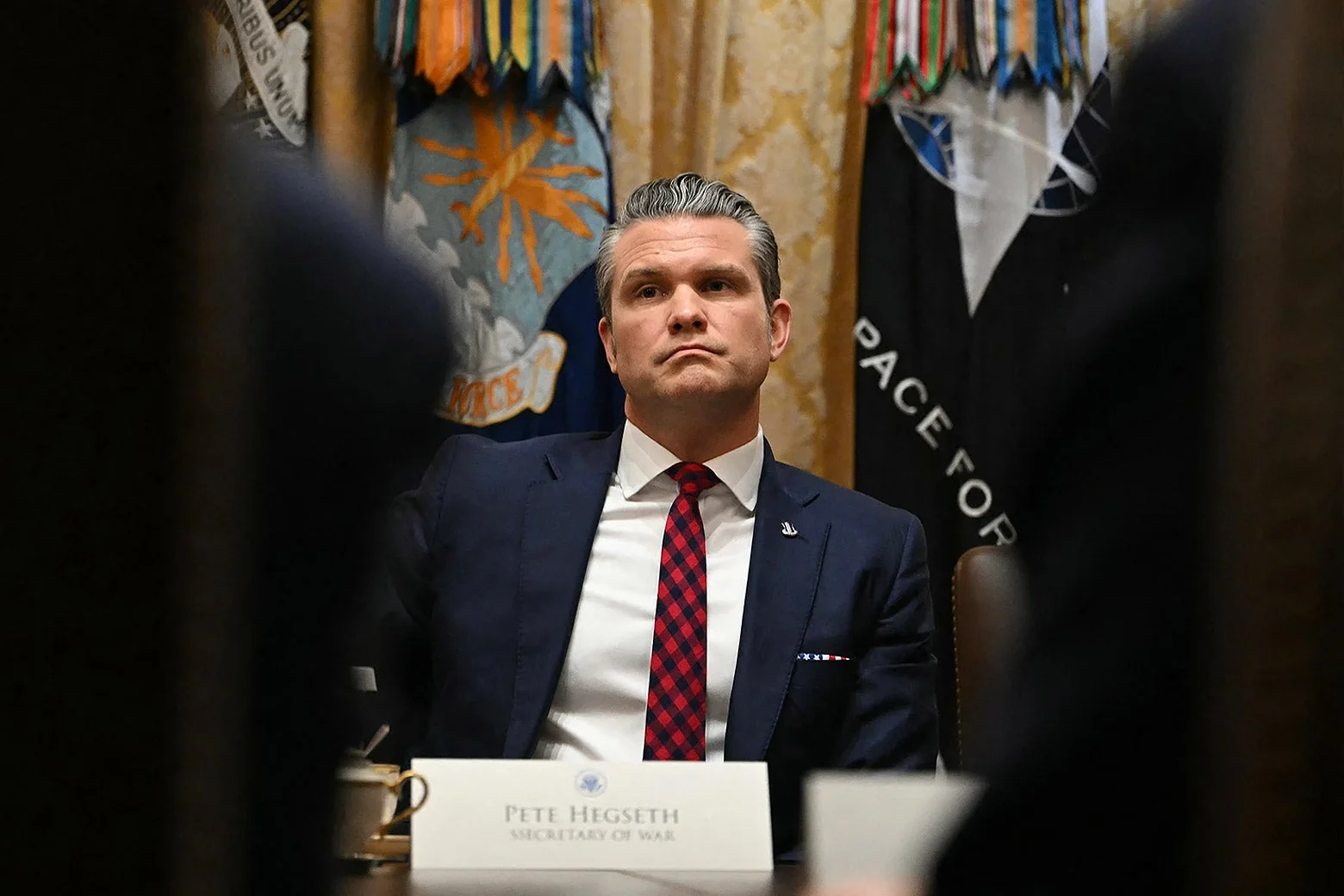
- Defense Secretary Pete Hegseth’s stance on rules of engagement is in conflict with traditional military ethics.
- The Trump administration has authorized strikes that violate international law and the U.S. Code of Military Justice.
- American service members are still held accountable for following unlawful orders, as demonstrated by historical cases like My Lai Massacre and Abu Ghraib prison abuses.
- Service members face severe legal consequences if they commit war crimes or extrajudicial killings.
The Ethical Dilemma in the Trump Administration’s Military Strategy
In a world where military ethics are paramount, Defense Secretary Pete Hegseth appears to be an outlier. His approach to rules of engagement stands at odds with traditional military norms and ethical standards. This discrepancy raises critical questions about accountability and adherence to international law within the U.S. armed forces.
Challenging the Rules of Engagement
During my tenure as an infantryman in the U.S. Army, I was repeatedly drilled on the importance of never leaving a fallen comrade behind or engaging in unnecessary violence. The idea that firing on a wounded combatant, known as “double tapping,” would result in imprisonment was deeply ingrained. However, Pete Hegseth’s actions during his time as a TV host and now as Defense Secretary challenge these long-held beliefs.
Unlawful Orders and War Crimes
The Trump administration has authorized multiple strikes on small boats in the Caribbean Sea and eastern Pacific Ocean, resulting in at least 83 deaths. These actions are problematic because the U.S. is not officially at war with any of these individuals or groups. While President Donald Trump has declared Venezuelan drug smugglers to be terrorists, Congress has neither declared war nor authorized force against them.
Adm.
Mitch Bradley reportedly ordered a second strike on survivors, citing Hegseth’s directive to “kill them all.” This decision raises serious ethical and legal questions about the administration’s approach to military justice and accountability. The obligation under both U.S. Code of Military Justice and international law is clear: secure and treat wounded combatants and take them in as prisoners of war.
Historical Precedents
The Uniform Code of Military Justice, established since the 1950s, codifies that soldiers may refuse unlawful orders. Service members have been jailed for illegal uses of force, and the “just following orders” defense has never saved them. For instance, Airman First Class Thomas Kinder was sentenced to life in prison after executing a detainee during the Korean War, despite claiming he followed his commanding officer’s instructions.
Similarly, 2nd Lt.
William Calley was convicted of murdering between 350 and 500 civilians at My Lai, even though he claimed he was just following orders. The United States Court of Military Appeals affirmed Calley’s conviction, sentencing him to 20 years of confinement. In the Abu Ghraib prison abuses, service members were convicted despite claiming they followed orders.
Consequences for Service Members
The rules of engagement exist to prevent unjustified killings and ensure mission success. They also serve as a moral compass for soldiers who might otherwise face severe legal consequences if they cross the line. The best decision I ever made in Iraq was deciding not to shoot someone who appeared to be a civilian, even though it could have been justified under the circumstances.
The consequences of violating these rules are stark: service members can face courts-martial and federal indictments, live with nightmares, and spend their lives grappling with guilt. The message is clear: American service members cannot use “just following orders” as a defense for war crimes or extrajudicial killings.
Conclusion
To every service member, commander, and political leader, the message is unequivocal: if you commit a war crime or an extrajudicial killing outside of actual warfare, you can be prosecuted. Future administrations will hold you accountable for your actions. Pete Hegseth’s stance on rules of engagement challenges traditional military ethics, but the consequences for service members remain severe and unambiguous.