Key Highlights
- Nigeria experiences deadly blasts in Maiduguri, raising fears of renewed Boko Haram insurgency.
- President Tinubu offers condolences and instructs security forces to address the situation.
- A Christian nonprofit leader criticizes the violence as ongoing religious persecution.
- No group has claimed responsibility for the attacks yet.
The Urgent Crisis in Nigeria
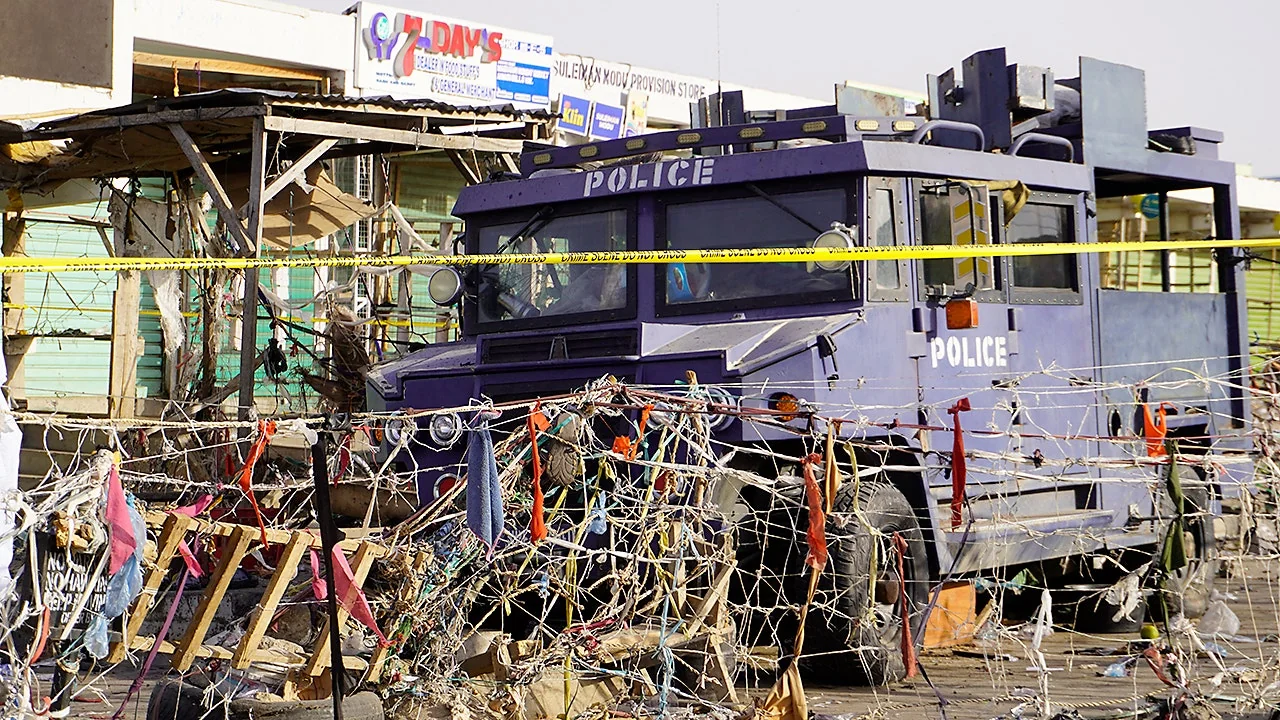
Nigeria is once again reeling under a wave of deadly bombings that have struck a major city, Maiduguri. The blasts, hitting both a market and hospital entrance, have killed at least 23 people and injured over 100. This isn’t just another tragic event—it’s a stark reminder of the ongoing conflict in Nigeria.
Security Breaches
The attacks occurred on Monday night as people were breaking their Ramadan fasts. The blasts targeted a crowded market, a major hospital entrance, and even a post office hub. According to local police, Nahum Kenneth Daso, these were suspected suicide bombings. However, no group has stepped forward to claim responsibility.
Government Response
President Bola Tinubu, who was on a state visit in the UK when the attacks took place, issued a statement offering condolences and instructing security chiefs to take charge of the situation. His comments underscored the ongoing struggle against extremist groups like Boko Haram.
The Human Cost
Survivors like Caleb Jonah, who was at the hospital entrance, spoke about witnessing the chaos firsthand. “I heard a deafening blast and I passed out,” he recounted. The attacks have sent shockwaves through the community, with many questioning how such violence can continue unchecked.
Critical Stakeholders React
A Christian nonprofit leader, Brad Brandon of Across Nigeria, condemned the attacks as part of ongoing religious persecution. “This is the result of radical Islamic groups that are allowed to operate unchecked,” he stated, urging both the U.S. Government and international media to take action.
Background and Analysis
The resurgence of Boko Haram in Maiduguri marks a significant shift. The group initially launched its insurgency in 2009 with the aim of enforcing Sharia law. Over the years, it has grown stronger, now boasting thousands of fighters and multiple factions aligned with ISIS.
This expansion highlights the complexity of the conflict and the challenges faced by security forces.
While Nigeria’s capital city Abuja has seen relative peace in recent months, Maiduguri remains a hotbed for violence. The attacks on Monday night were particularly brutal, occurring less than 24 hours after Nigerian military repelled attacks outside the city. This pattern of coordinated bombings suggests that Boko Haram is still actively seeking to destabilize the region.
The international community has been paying close attention to these developments.
President Trump’s warnings against extremist groups targeting Christians in Nigeria have drawn global scrutiny. As the world watches, the stakes for resolving this conflict are higher than ever.