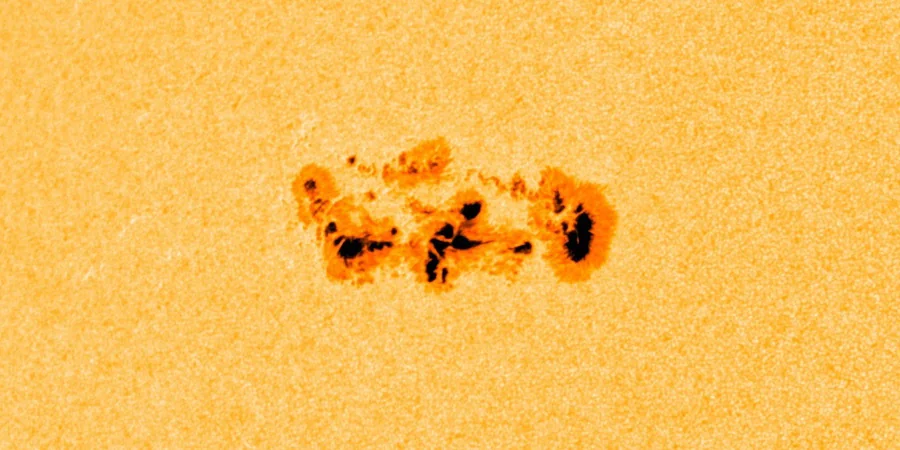
Key Highlights
- Sunspot region 4366 has developed into a complex magnetic Beta-Gamma-Delta layout.
- The region produced strong solar flares including two M5 and two M6 events, with an X1.0 flare peaking at 12:33 UTC.
- Expect more M-flare activity in the next 24 hours as the group rotates into a more earth-facing position.
The Sun’s Fury: A Complex Region of Activity
Complex sunspot region 4366 is showing signs of significant solar flare activity. This area, which has developed a magnetic Beta-Gamma-Delta layout, has already produced two M5 and two M6 flares today. The most intense event was an X1.0 solar flare (R3-strong) that peaked at 12:33 UTC.
None of these have been eruptive thus far, but as the region rotates more into a position facing Earth, we can expect more M-flare activity and perhaps even larger X-class flares.
These events are not just interesting for space weather enthusiasts; they pose potential risks to satellite operations and communications on our planet. The SpaceWeatherLive team is keeping a close eye on this region, as any future eruptions have a good chance of being aimed at Earth. Stay tuned for updates!
Aura of Caution: Solar Flare Preparedness
You might think this is new, but the Sun has been known to be volatile. Back in 2014, sunspot region AR3055 produced an M6.39 flare, which was part of a series that included the X2.9 flare on February 2, 2026. This time around, we’re seeing similar activity with sunspot region 4366.
It’s not just about watching; it’s about being prepared.
With more traffic comes higher costs to keep servers online. Support projects like SpaceWeatherLive by subscribing for an ad-free site or making a donation. Your help is crucial in keeping these critical updates flowing without interruption.
The Global Impact of Sunspot Eruptions
Auroral activity, while beautiful from Earth, can have serious implications when the solar flares are directed towards our planet. The latest alerts show strong R3 radio blackouts and moderate R2 blackouts in progress due to these recent events. A more severe eruption could disrupt GPS signals, radio communications, and even power grids on Earth.
SpaceWeatherLive is a near-live website that provides updates from the Sun to Earth, helping us predict when we can see auroras or experience space weather effects.
The last X-flare was recorded on February 2, 2026, at an intensity of X1.65. Keep your eyes peeled for more activity as sunspot region 4366 continues its journey across the Sun’s surface.
Back to top