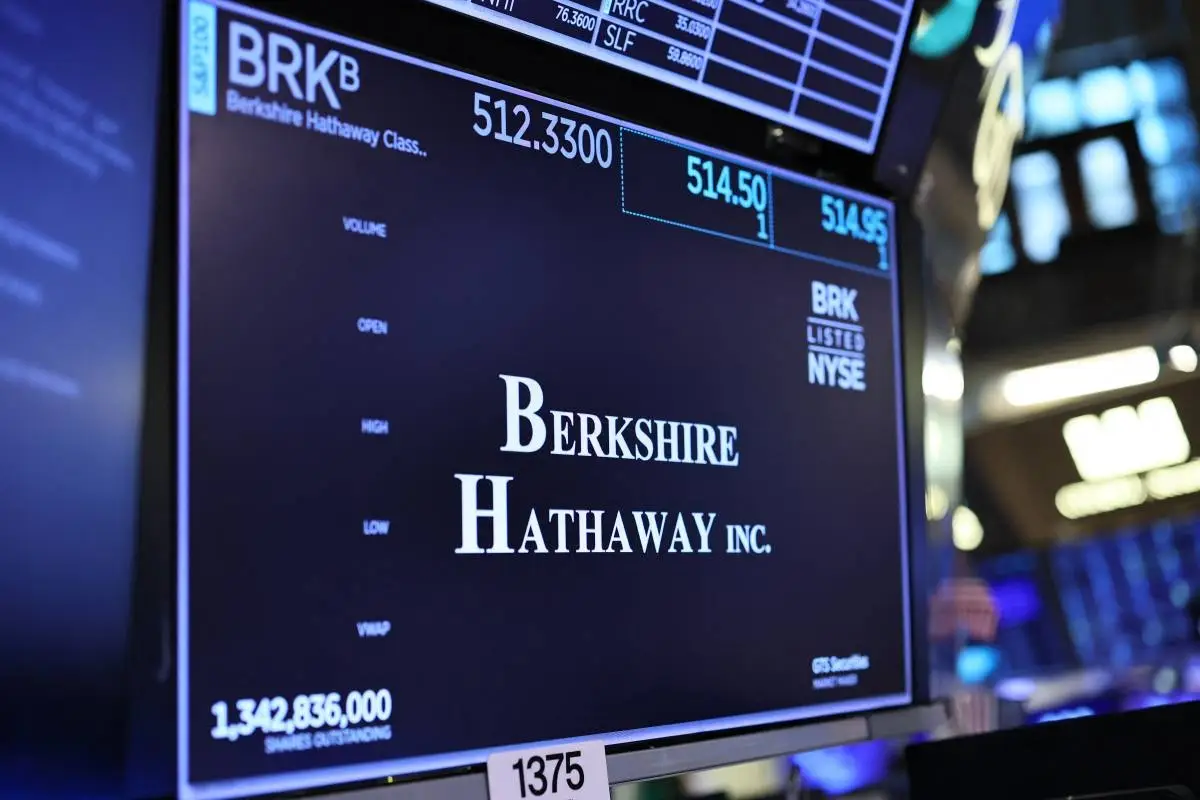
Berkshire Hathaway’s $9.7B OxyChem Buy (2025): A Buffett-Style Pivot that Could Reshape OXY and Chemicals
TL;DR (for busy readers)
- What happened: Berkshire Hathaway agreed to acquire Occidental’s chemicals arm, OxyChem, for $9.7 billion in cash.
- Why it matters for Occidental (OXY): Proceeds are slated to cut debt—about $6.5B applied to deleveraging—targeting sub-$15B principal debt after the CrownRock acquisition, potentially unlocking room for buybacks/dividends if commodity prices cooperate.
- Why it matters for Berkshire (BRK): OxyChem adds a durable, cash-generative, moat-heavy industrial to Berkshire’s ecosystem (alongside Lubrizol), supporting stable FCF through cycles.
- Timing: Closing is expected in Q4 2025, pending customary approvals.
The Headline Deal, in Plain English
Berkshire Hathaway—home to insurance, railroads, and industrials—has struck a $9.7 billion all-cash deal to buy OxyChem, the petrochemical unit of Occidental Petroleum. The transaction is designed to reshape Occidental’s balance sheet and sharpen its focus on the core oil & gas business, while Berkshire locks in another steady cash-flowing asset with inflation-resilient pricing power.
OxyChem manufactures chlor-alkali, vinyls/PVC, and related building-block chemicals used in everything from water treatment and pool care to medical supplies and construction. These end markets often move with housing starts, infrastructure spending, and industrial production, giving OxyChem a different cycle than oil prices—one reason Berkshire likes it as a portfolio stabilizer.
Why Occidental Is Selling: Debt, Focus, and Flexibility
Occidental has been chipping away at leverage since the 2019 Anadarko deal (backed at the time by a $10B Berkshire investment) and, more recently, its CrownRock acquisition. Selling OxyChem allows OXY to retire debt faster, lower interest expense, and concentrate capital on upstream projects with higher return thresholds. Management has signaled that ~$6.5B of the proceeds will be directed to debt reduction, aiming to keep principal debt below ~$15B.
What that could unlock for OXY shareholders:
- Improved net leverage and credit profile, which can compress credit spreads and reduce financing costs.
- Strategic clarity on being an E&P-first story (oil & gas), making OXY’s valuation more comparable to pure-play peers.
- Potential capacity for buybacks/dividends as leverage metrics normalize and commodity prices permit. (Analysts are already flagging this possibility.)
Trade-off: OxyChem historically provided a non-oil, fee-like earnings stream. Without it, OXY becomes more correlated to Brent/WTI and North American gas—which can boost upside torque in good times but raise volatility in downturns.
Why Berkshire Is Buying: The Moat in Molecules
This is classic Berkshire: buy asset-heavy, scale-defensible businesses with recurring demand and pricing power, then hold forever under decentralized management. OxyChem complements Berkshire’s Lubrizol and other industrials, diversifying cash flows and offering reinvestment and maintenance capex profiles that fit the conglomerate’s capital allocation playbook. The all-cash nature showcases Berkshire’s liquidity and conviction.
Strategic fit highlights:
- Chlor-alkali & PVC: entrenched supply chains, tight safety/regulatory moats, high barriers to greenfield capacity.
- Cycle balance: chemicals can zig when oil & gas zag, smoothing Berkshire’s consolidated FCF.
- Owner-operator model: OxyChem can run as a standalone subsidiary, aligned with Berkshire’s culture of long-term stewardship.
Deal Mechanics and Timeline
- Consideration: $9.7B cash (subject to customary adjustments). oxy.com
- Proceeds use (OXY): ~$6.5B to debt reduction; target principal debt < $15B.
- Liabilities: An OXY subsidiary will retain legacy environmental liabilities associated with the chemicals unit—an important note for risk modeling.
- Closing: Q4 2025, pending customary approvals (regulatory/antitrust) and closing conditions.
Market Impact: Stocks, Spreads, and Sentiment
Occidental (OXY): Shares fell on the headline—typical when a company sells a diversification buffer and leans harder into a more cyclical commodity. But the deleveraging arc can re-rate equity over time, especially if oil stays constructive and capital returns step up.
Berkshire (BRK.A/BRK.B): The market often rewards Berkshire for deploying cash at scale into moaty assets—particularly under Greg Abel’s operating purview, reinforcing succession and non-insurance earnings quality. Investors will watch how OxyChem’s margin profile behaves if PVC and chlor-alkali prices firm with housing/infrastructure trends.
What to Watch Next (Investor Checklist)
- Regulatory Review:
Chemicals touch safety, emissions, and competition. Watch for FTC/DOJ review timelines and any remedies requested. - Debt Trajectory (OXY):
Track progress toward sub-$15B principal debt, interest expense run-rate, and credit-rating commentary. Lower leverage could expand valuation multiples. - Capital Returns (OXY):
Post-closing, management could increase buybacks or raise dividends, conditioned on oil/gas price decks. - Chemicals Cycle (Berkshire):
Monitor PVC/chlor-alkali spreads, construction starts, infrastructure spending, and industrial production (ISM). These are leading indicators for OxyChem utilization. - Succession Optics (Berkshire):
While Warren Buffett remains chair, the deal underscores Greg Abel’s role in non-insurance operations and ongoing capital deployment.
Industry Context: Chemicals vs. Hydrocarbons
- Chemicals like chlorine, caustic soda, and PVC are tied to construction, municipal water, medical, and consumer durables. Margins hinge on operating rates, energy input costs (especially natural gas/power), and pricing discipline.
- Upstream oil & gas (OXY’s focus post-deal) swings with WTI/Brent, Permian productivity, OPEC+ policy, refining margins, and global demand.
By reducing diversification, OXY becomes a cleaner E&P story; by adding OxyChem, Berkshire boosts its industrial cash-flow ballast.
Potential Risks & Mitigants
For Occidental (OXY):
- Higher earnings volatility: With OxyChem gone, OXY is more exposed to oil/gas. Mitigant: stronger balance sheet, disciplined capex, and hedging tactics can cushion cycles.
- Execution risk: Must deploy capital prudently (e.g., high-IRR drilling, low-breakeven wells), maintain ESG performance, and manage CrownRock integration synergies.
For Berkshire (BRK):
- Chemicals downcycle: If PVC or chlor-alkali spreads compress, near-term earnings may dip. Mitigant: Berkshire’s diversified cash engines, long-term horizon, and no forced selling posture.
- Legacy liabilities optics: Even with OXY retaining legacy environmental liabilities, any sector-wide regulatory tightening can affect capex and compliance costs.
How This Could Show Up in Portfolios
Income & Dividend Investors:
- OXY’s deleveraging could, over time, support larger dividends/buybacks if commodity pricing stays favorable and capex discipline holds.
Value & Quality Seekers:
- Berkshire gains a quality industrial with durable economics; the conglomerate’s capital allocation across cycles is central to the BRK thesis.
Macro-Sensitive Traders:
- Watch ISM prints, housing starts, infrastructure disbursements, and energy prices; these macro levers will frame near-term sentiment for both chemicals and E&P.
Frequently Asked Questions (FAQs)
1) What exactly is OxyChem?
OxyChem is Occidental’s chemicals division producing chlor-alkali (chlorine/caustic soda), vinyls/PVC, and related products used in water treatment, medical supplies, construction materials, and consumer goods.
2) How big is this deal for Berkshire?
At $9.7B, it’s among Berkshire’s largest acquisitions in recent years—not as large as the Alleghany purchase but meaningful in non-insurance industrials.
3) Why is Occidental selling now?
To accelerate debt reduction, simplify into a pure-play E&P profile, and optimize capital allocation post large acquisitions. Management has indicated ~$6.5B from proceeds will go directly to debt paydown.
4) When will the deal close?
Expected Q4 2025, pending regulatory approvals and customary conditions.
5) Will OXY’s dividend increase after the sale?
There’s no guarantee, but lower leverage often frees room for higher capital returns (dividends/buybacks) if cash flow and commodity prices cooperate. Analysts have speculated on this path.
6) Does Berkshire get any liabilities?
An Occidental subsidiary is expected to retain legacy environmental liabilities tied to OxyChem; Berkshire acquires the operating business. Always read final filings for precise allocations. Barron’s+1
7) Is this a Buffett or Greg Abel deal?
While Warren Buffett remains central, reporting emphasizes Greg Abel’s leadership in non-insurance businesses—this deal showcases continuity in Berkshire’s industrial strategy.
8) What happens to OXY’s diversification?
Without OxyChem, OXY becomes more tied to hydrocarbons, which can amplify beta to WTI/Brent—good in upswings, tougher in downturns.
9) How could chemicals pricing evolve into 2026?
Watch housing/infrastructure demand (PVC), municipal budgets (water treatment), and global industrial activity (chlor-alkali). Energy input costs (nat-gas, power) also matter for margins.
Practical Takeaways for U.S. Investors (2025)
- For OXY holders: The debt-first use of proceeds is disciplined. If you believe in $70–$85 WTI, Permian execution, and capital returns, you may see multiple expansion as net leverage improves.
- For BRK holders: OxyChem is another moat-type cash generator that balances cyclicality, supporting Berkshire’s long-term FCF compounding without needing heroic growth assumptions.
- For sector watchers: The deal validates strategic value in chemicals platforms with hard-to-replicate assets, even during industry softness—exactly the window when Berkshire likes to buy.
Conclusion
Berkshire’s $9.7B purchase of OxyChem is textbook capital allocation: acquire a durable, moat-heavy business at a scale where Berkshire’s permanent capital is a competitive advantage. For Occidental, it’s equally strategic—rebuild balance-sheet strength, tighten focus on E&P, and potentially expand shareholder returns as leverage falls.
In a year when markets debate rates, recession odds, and the commodity cycle, this deal sends a clear signal: quality cash flows and fortress balance sheets still win. Keep an eye on regulatory timing, OXY’s leverage glidepath, and chemicals pricing—they’ll shape how quickly both sides realize the full value of this transaction.