Key Highlights
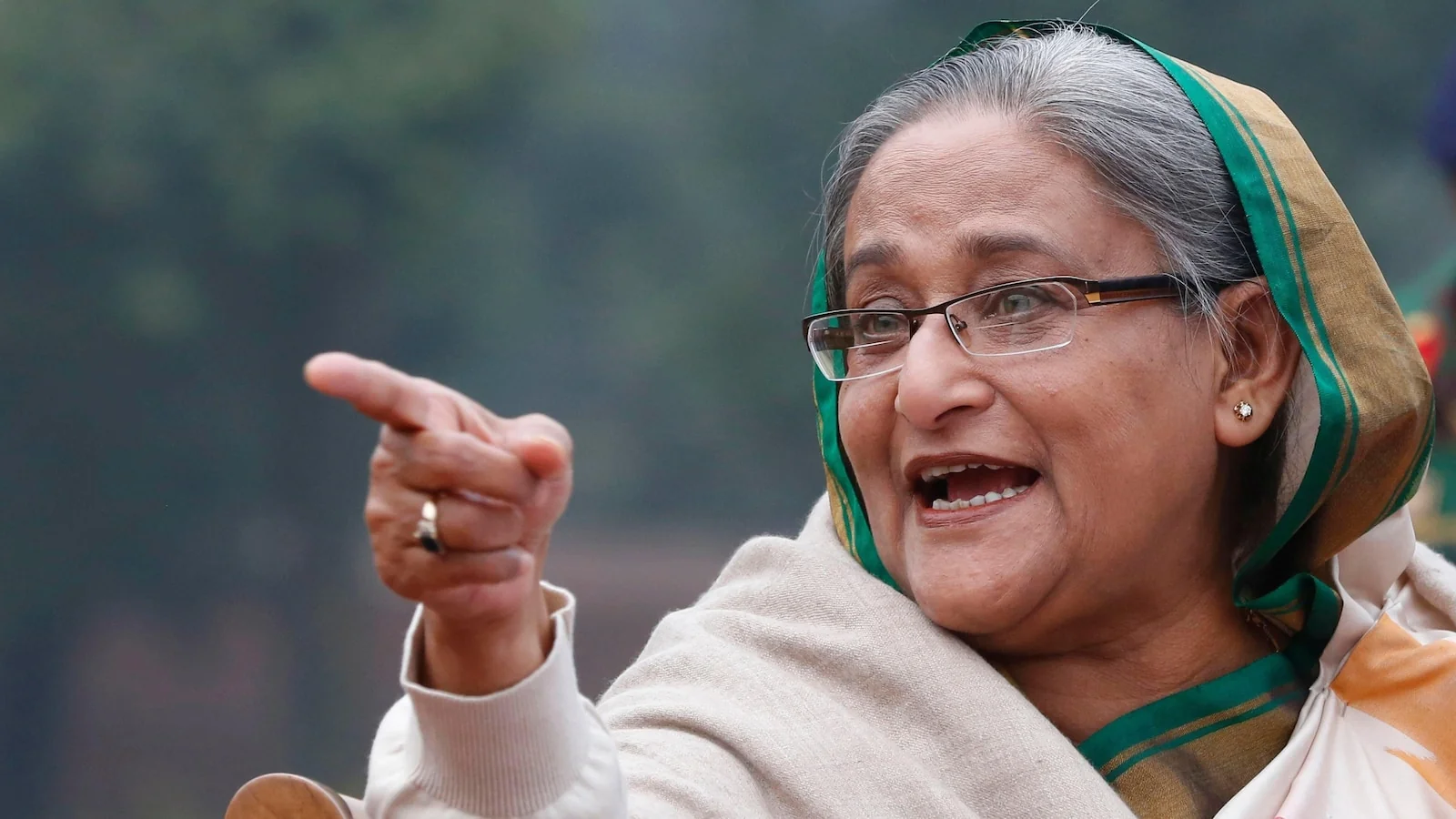
- A special tribunal in Bangladesh has sentenced ousted Prime Minister Sheikh Hasina to death for crimes against humanity.
- The verdict came after a mass uprising that ended her 15-year rule last year.
- The interim government beefed up security ahead of the reading of the verdict on Monday.
- Hasina’s Awami League party called for a nationwide shutdown to protest the verdict, calling it a “kangaroo court.”
A Special Tribunal Sentences Bangladesh’s Ousted PM to Death
A special tribunal in Bangladesh has handed down a death sentence to Sheikh Hasina, the ousted Prime Minister of the country. The tribunal found her guilty of crimes against humanity related to last year’s mass uprising that ended her 15-year rule.
Background and Context
The verdict was read on Monday from the capital Dhaka by the special tribunal. Hasina, who currently resides in exile in India, was tried in absentia. Her exiled status has added an international dimension to this case, as she is being represented by a state-appointed lawyer despite her objections.
Security Measures and Political Protests
In anticipation of the verdict, the interim government took extensive security measures across the country. Soldiers, paramilitary border guards, and police were deployed in Dhaka and other parts of Bangladesh to ensure public safety. Meanwhile, Hasina’s Awami League party called for a nationwide shutdown as a protest against the verdict.
Public Reactions and Legal Challenges
The prosecution had sought the death penalty for both Hasina and her former Home Minister Asaduzzaman Khan, who is also in exile. While the tribunal has not yet issued its decision on their cases, it fixed Monday as the date to deliver verdicts for all three individuals.
Charges and Evidence
The charges against Hasina and Khan stem from alleged killings during a student-led uprising that took place in July and August 2024. The United Nations reported up to 1,400 deaths, while the interim government stated more than 800 people were killed and about 14,000 injured.
Hasina has survived multiple assassination attempts during her decades-long political career since 1981. Her party continues to challenge the legitimacy of the special tribunal, which they claim is a “kangaroo court.” The interim government, led by Bangladeshi Nobel Peace Prize laureate Muhammad Yunus, vowed to hold elections in February and exclude Hasina’s Awami League from participating.
The political landscape in Bangladesh remains tense as the verdict approaches.
Local media reported new explosions of crude bombs across Dhaka, including one in front of an adviser’s house on Sunday. The police chief issued a “shoot-on-sight” order to prevent further attacks and ensure public safety during this critical period.
Conclusion
The sentence against Sheikh Hasina marks a significant moment in Bangladesh’s political history. As the country prepares for upcoming elections, this verdict could have far-reaching implications for future governance and stability. The international community will closely watch these developments to assess their impact on regional politics and justice.