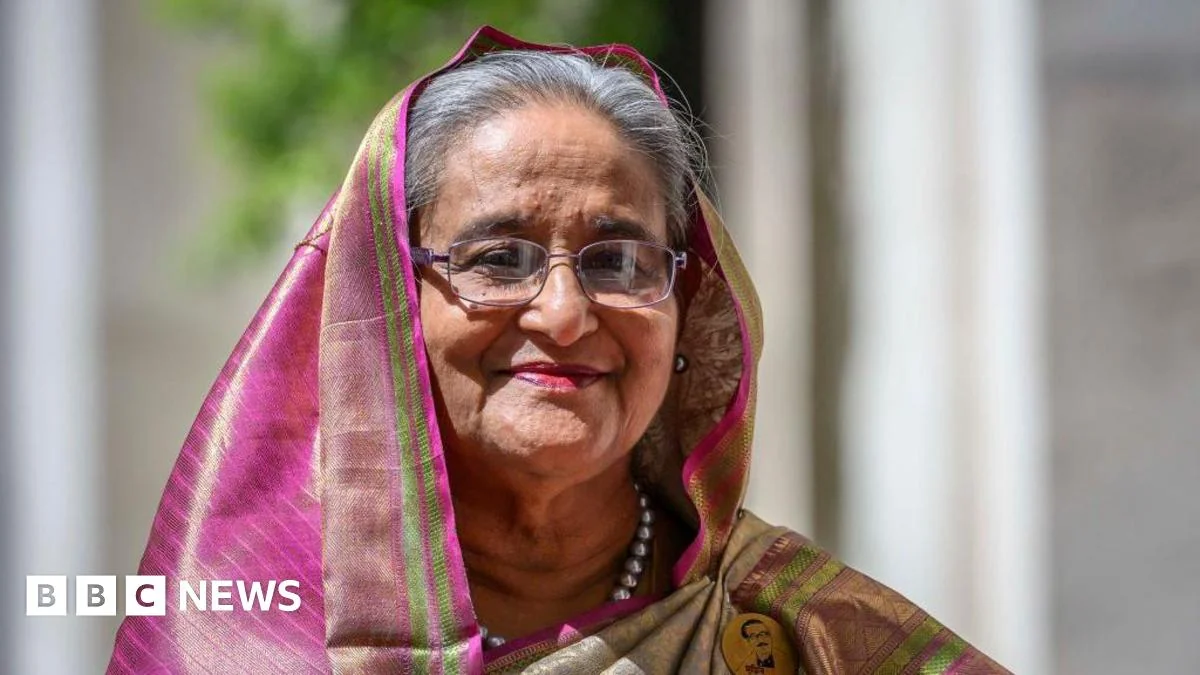
Key Highlights
- Former Prime Minister Sheikh Hasina of Bangladesh has been sentenced to death for crimes against humanity.
- The verdict was handed down by a special tribunal in Dhaka, where Hasina was tried in her absence due to living in exile in India.
- Hasina denies the charges and claims that the trial is a “kangaroo court” orchestrated by political opponents.
- The case has put pressure on India to extradite Hasina, but it is unlikely that the Indian government will comply with Bangladesh’s request.
Background of the Case Against Sheikh Hasina
The verdict against former Prime Minister Sheikh Hasina marks a significant moment in Bangladesh’s legal history. The case stems from violent crackdowns on student-led protests that occurred last year, during which the United Nations estimates up to 1,400 people lost their lives, with most casualties resulting from gunfire by security forces. These events have sparked widespread outrage and calls for accountability.
Legal Proceedings and Verdict
Hasina was tried in absentia as she has been living in exile since being forced out of power. The special tribunal found her responsible for ordering the use of lethal force against protesters and failing to prevent atrocities. Among those on trial, only former police chief Chowdhury Abdullah Al-Mamun appeared in court today.
According to reports, the verdict handed down is a 453-page document that details the charges against Hasina. She faces multiple counts of crimes against humanity, including murder and torture during the protests. The court’s decision was met with cheers both inside and outside the courtroom, while Hasina’s supporters protested against the verdict.
Implications for India-Bangladesh Relations
The verdict has significant implications for Bangladesh’s efforts to extradite Sheikh Hasina from India. Dhaka had formally requested her extradition earlier this year, but New Delhi has shown no willingness to comply despite having an extradition treaty with Bangladesh. This case highlights the complex diplomatic realities between the two nations.
India’s Foreign Secretary Vikram Misri described matters related to Hasina as “judicial and legal” issues that require “consultations.” Meanwhile, India’s support for free and fair elections is seen by some as an attempt to balance its position on the extradition request. Diplomatic circles recall a particularly warm relationship between Sheikh Hasina and India, especially with her former President Pranab Mukherjee. The verdict could also set the direction of Bangladesh’s political landscape, potentially influencing future elections and the government’s stance towards reconciliation efforts or further legal actions against those accused in the protests.