Key Highlights
- NASA is set to launch the crew of Artemis II in February 2026 for a mission that will travel farther from Earth than any human has ever gone before.
- The mission represents a significant demographic and cultural shift, with the first woman and person of color among the crew.
- The Artemis Accords have been signed by 61 countries, aiming to foster international collaboration in space exploration.
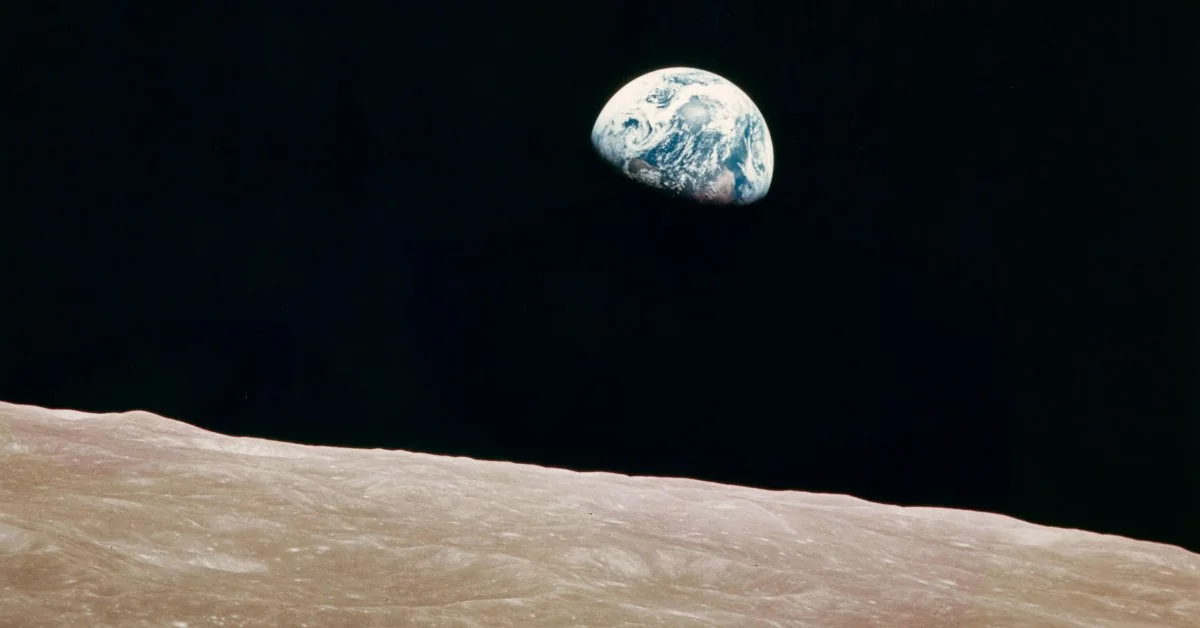
After 54 years since the last human steps on the moon, NASA is gearing up for a historic return. The journey of Apollo 8, which orbited the moon in 1968, was both perilous and profound. Commander Frank Borman, along with Jim Lovell and Bill Anders, ventured into lunar space, beaming back images that captivated billions. Their mission marked a turning point, not just in space exploration but in human history.
The Artemis II Mission: A New Era
Fast forward to 2026, where the crew of Apollo 8 could hardly imagine the technological advancements and cultural shifts that would follow. The Artemis II mission, set for February 6, will carry four astronauts—Reid Wiseman, Victor Glover, Christina Koch, and Jeremy Hansen—to the moon, marking a significant milestone in space exploration.
Diverse Crew
Among the crew, Christina Koch will be the first woman to land on the lunar surface, while Victor Glover is the first person of color. Jeremy Hansen, representing Canada, brings international cooperation to the forefront. This demographic diversity underscores NASA’s commitment to equity and inclusion.
The International Collaboration
Significantly, the Artemis Accords, established in 2020, have gained traction among 61 signatory countries. These agreements aim to promote peaceful exploration of space and foster global collaboration. The accords represent a pivotal moment where nations come together not just as competitors but as partners in pursuit of shared goals.
Technical Challenges
The mission itself is far from straightforward. Artemis II will follow the safer profile first rejected by NASA, orbiting around the moon without landing. This 10-day mission serves as a critical test for the giant Space Launch System (SLS) moon rocket and the Orion spacecraft, necessary groundwork before lunar landings in future missions.
The journey to the moon is fraught with challenges, yet it also holds immense promise. As Wiseman reflects, “No matter what your expectation is, the reality will be different.” The crew’s mission not only represents a return to the moon but a leap towards global cooperation and innovation in space exploration.