Key Highlights
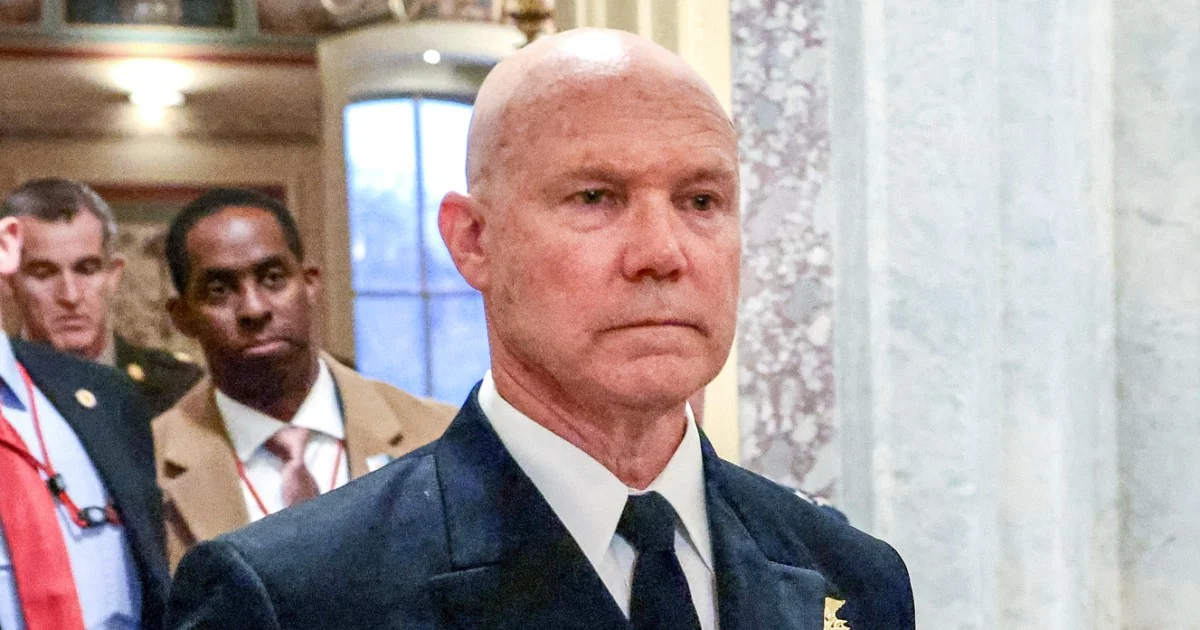
- Admiral Frank Bradley informed lawmakers that everyone on the alleged drug boat was on a military target list.
- The U.S. intelligence had identified 11 people on the boat and authorized their lethal targeting as part of President Trump’s campaign against drug-smuggling vessels.
- Pentagon officials defended the decision to strike, stating that the operation was in compliance with international law.
- Admiral Bradley detailed the operations during a briefing at Capitol Hill, explaining why the second strike was necessary and how it aligned with legal guidelines.
Pentagon Confirms Target List for Drug-Smuggling Boat
In an exclusive revelation to lawmakers, Admiral Frank Bradley disclosed that everyone on a suspected drug-smuggling boat in the Caribbean Sea was on an internal military target list. According to U.S. officials and those familiar with congressional briefings, the boat contained 11 individuals who were identified by intelligence as potential narcoterrorists eligible for lethal targeting.
The decision to strike the vessel came under intense scrutiny after a controversial second attack that left two survivors in the water. Defense Secretary Pete Hegseth ordered the military to kill all 11 people on the boat, emphasizing the need for compliance with international and domestic law.
Operation Details and Legal Justifications
During his detailed briefings at Capitol Hill, Admiral Bradley recounted the events of September 2. He stated that U.S. intelligence had confirmed the identities of the individuals on board and validated them as legitimate targets. The military then executed airstrikes in line with President Donald Trump’s anti-drug smuggling campaign.
Admiral Bradley explained that the boat was targeted because it was carrying cocaine and was affiliated with a terrorist organization designated by the president. He added, “The cumulative impact of these narcoterrorist shipments directly threaten Americans and the national security interests of the United States.”
Criticism and Defense
The Pentagon faced growing criticism over the military’s decision to conduct a second strike after the first left two survivors in the water. During a Cabinet meeting, Secretary Hegseth defended the operation, stating he “observed the operation on Sept. 2 but did not personally see survivors.” He maintained that Bradley made the right call and referred to it as part of the “fog of war.”
White House press secretary Karoline Leavitt confirmed that Secretary Hegseth authorized Adm. Bradley to conduct these kinetic strikes, adding that Bradley acted within his authority and followed legal guidelines.
Future Implications
The incident has raised significant questions about the legality of targeted killings by military forces and the broader implications for international relations. Pentagon officials emphasized the need for continued vigilance against drug trafficking activities, which they believe pose a serious threat to national security.
In conclusion, the revelation that individuals on board were part of an internal target list highlights the complexities involved in counter-narcotics operations and underscores the stringent legal framework governing such military actions. The Pentagon’s defense of the operation points towards a commitment to upholding international law while addressing emerging threats posed by drug smuggling networks.