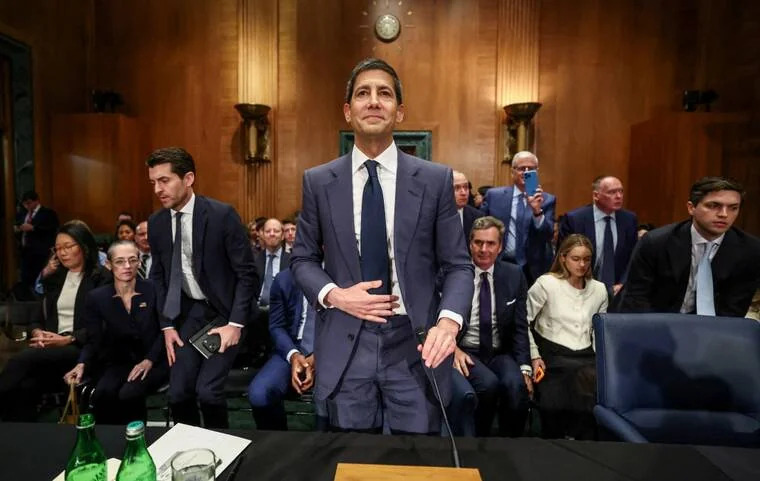
Key Highlights
- The U.S. Senate confirmed Kevin Warsh for a 14-year term as Federal Reserve governor.
- The confirmation paves the way for Warsh to potentially succeed Jerome Powell as Fed chair.
- President Trump’s efforts to exert control over the Fed include attempted firings and investigations targeting current officials.
- Warsh plans “regime change” at the Fed, aiming for tighter coordination with Treasury and administration on non-monetary policies.
The New Face of Monetary Policy?
Kevin Warsh, President Donald Trump’s nominee, has been confirmed by the Senate to a 14-year term as Federal Reserve governor. This move marks an important step toward his potential successorship of Jerome Powell, who is set to retire from his chair position this Friday.
A Clash of Titans
As Warsh steps in, he faces a Fed that is under unprecedented political pressure. Trump’s aggressive tactics include the attempted firing of Fed Governor Lisa Cook and supporting a Department of Justice investigation into Powell’s management of a building renovation project. These actions have raised questions about the Fed’s ability to maintain its independence.
Regime Change at the Fed?
Warsh has stated his intention for “regime change” within the Fed, aiming to tighten coordination with the Treasury Department and aligning monetary policies more closely with non-monetary ones under Trump’s administration. This shift could have significant implications for future interest rate decisions.
The Economic Climate
As Warsh takes his seat, he will inherit a central bank that is grappling with rising inflation due to increased oil prices from the ongoing Iran conflict. Financial markets currently price about a one-in-three chance of a rate hike by December, given the Fed’s current target range of 3.50%-3.75%.
Warsh’s confirmation comes at a time when the central bank must balance its mandate for stable prices with potential political pressures from an administration eager to see interest rates cut. The next meeting under his chairmanship, scheduled for June 16-17, will be watched closely by investors and policymakers alike.
Stay informed on these developments as they unfold in the coming months. The future of monetary policy could well depend on how Warsh navigates this complex landscape.