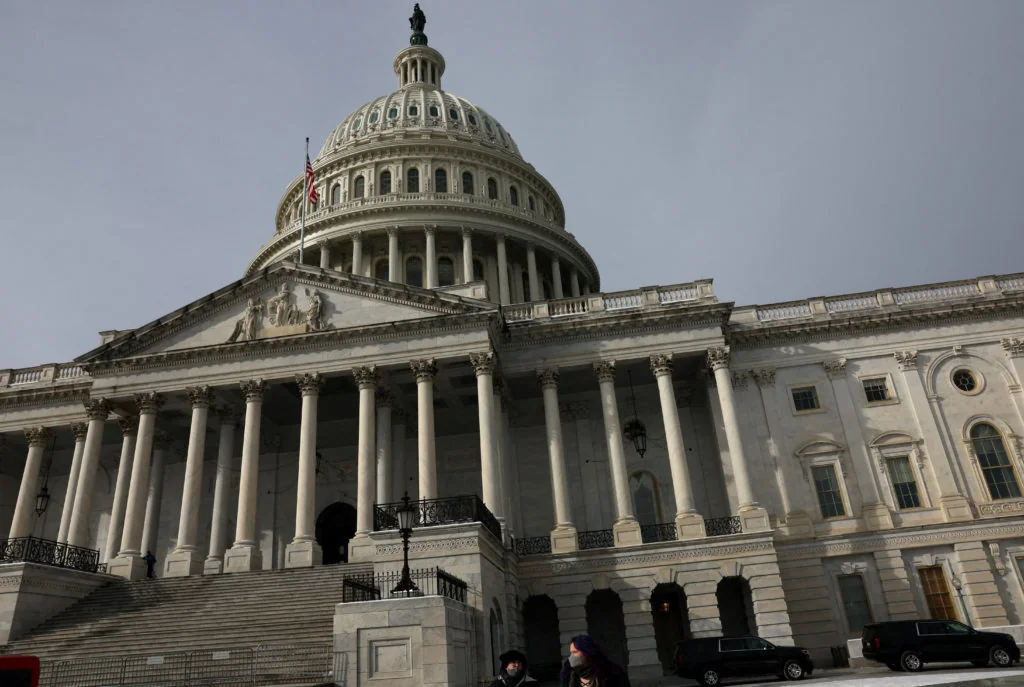
Key Highlights
- The Senate is set to hold its 11th vote on a funding measure to end the ongoing government shutdown.
- Federal workers and military service members could see a bill that pays them during the shutdown, but it requires support from Democrats.
- House Speaker Mike Johnson says he will reconvene the House if the Senate passes a bill to fund federal employees and military personnel.
- The longest full government shutdown in modern history is ongoing, with no clear path forward as of October 20, 2025.
Government Shutdown: A Protracted Political Standoff
The U.S. government remains on the brink of a protracted shutdown, now entering its 20th day. The Senate is preparing for its 11th vote to advance a House-passed measure that would fund the federal government and end the ongoing impasse.
Senate’s Next Move: A Crucial Vote
The Senate reconvenes on Monday, with plans to hold a procedural motion vote at 5:30 p.m. This comes after 10 previous failed attempts to advance the bill through the chamber. Majority Whip John Barrasso has confirmed that the vote will take place.
Complicating Factors: Political Divide and Shutdown Impact
Despite Speaker Mike Johnson’s offer to bring the House back if Senate Republicans pass a bill to fund federal workers, the prospects for success remain slim. Johnson cast doubt on the likelihood of such an outcome, citing the ongoing political divide.
“I don’t have any faith that they’re going to pass it,” said Johnson, adding, “I think that they’re going to continue to play games.”
Travel Disruptions and National Security Concerns
The shutdown is causing tangible impacts. Secretary of Transportation Sean Duffy warned about potential travel disruptions due to air traffic controllers working without pay. He stated, “They got a partial paycheck a week ago Tuesday. Their next paycheck comes a week from Tuesday, and in that paycheck there will be no dollars.”
“As this gets closer to payday, I think you could see more of that through the airspace,” Duffy added.
Defense Agency Furloughs: A National Security Threat
The National Nuclear Security Administration (NNSA), a key agency in charge of maintaining the U.S. nuclear arsenal, is facing severe funding constraints. Rep. Mike Rogers warned that the NNSA plans to furlough 80% of its employees if carry-over funds run out.
“Every day that the government is shut down, it is a danger to the American people,” said House Speaker Mike Johnson. “We are in a nuclear arms race with adversaries right now. It can’t be any more serious than this.”
Democrats Criticize GOP Stance
Sen. Bernie Sanders criticized the Republican position, calling it unprecedented and demanding negotiations. “You know how much negotiations they’ve done? Zero,” he said. “Our way or the highway.” This sentiment echoes across political lines, highlighting a deep divide that has stalled progress.
Looking Ahead: A Path Forward?
The current shutdown continues to affect millions of federal employees and military personnel, impacting both their livelihoods and national security. As the clock ticks, pressure builds on lawmakers to find a solution. The upcoming Senate vote could be pivotal in determining whether this protracted standoff ends or persists.
With no clear path forward, the nation remains in limbo, waiting for political leaders to find common ground.