Key Highlights
- European Sleeper delays Amsterdam night train to Zurich and Milan until 2027.
- Initial plans for the service included launch on June 18, 2026, but were postponed.
- The delay is due to extensive track work in Germany and additional paperwork requirements.
- European Sleeper cites a “difficult start” as a reason for delaying the service until September 9, 2026.
Delays and Deliberation: European Sleeper’s Night Train Timeline
The European Sleeper, a company that has been making waves in the continental night train market, has seen its ambitious plans for a Brussels to Milan route hit a significant roadblock. Originally scheduled for launch on June 18, 2026, the service is now set to begin nearly three months later, on September 9, 2026.
According to Chris Engelsman, co-founder of European Sleeper, the delay was necessitated by “extensive track work” in Germany and the need for additional paperwork with Swiss authorities. “It is too risky,” Engelsman told reporters, “we fear a difficult start and prefer to begin properly in September.” This shift in plans has left many travelers and investors wondering about the company’s strategy and its commitment to timely service.
The Brussels to Milan Route: A Complex Journey
The Brussels to Milan route is set to be European Sleeper’s third night train, joining its existing Brussels–Prague service and the upcoming Paris–Berlin service. The new route will operate on Monday, Thursday, and Saturday from Brussels, with return services on Wednesday, Friday, and Sunday. Stops include Luik-Guillemins, Aachen, Cologne, Zürich, Arth-Goldau, Göschenen, Bellinzona, Lugano, Chiasso, Como San Giovanni, and Milan Porta Garibaldi.
For Dutch travelers, Brussels, Luik, Aachen, and Cologne will serve as primary boarding points.
While the original plan was to run via the Simplon Pass, ongoing construction has made this route impossible before 2027. Instead, the service will go over the Gotthard Pass, adding stops in Zürich, Lugano, and Como, with morning arrivals.
Financial Considerations: Costs and Comfort
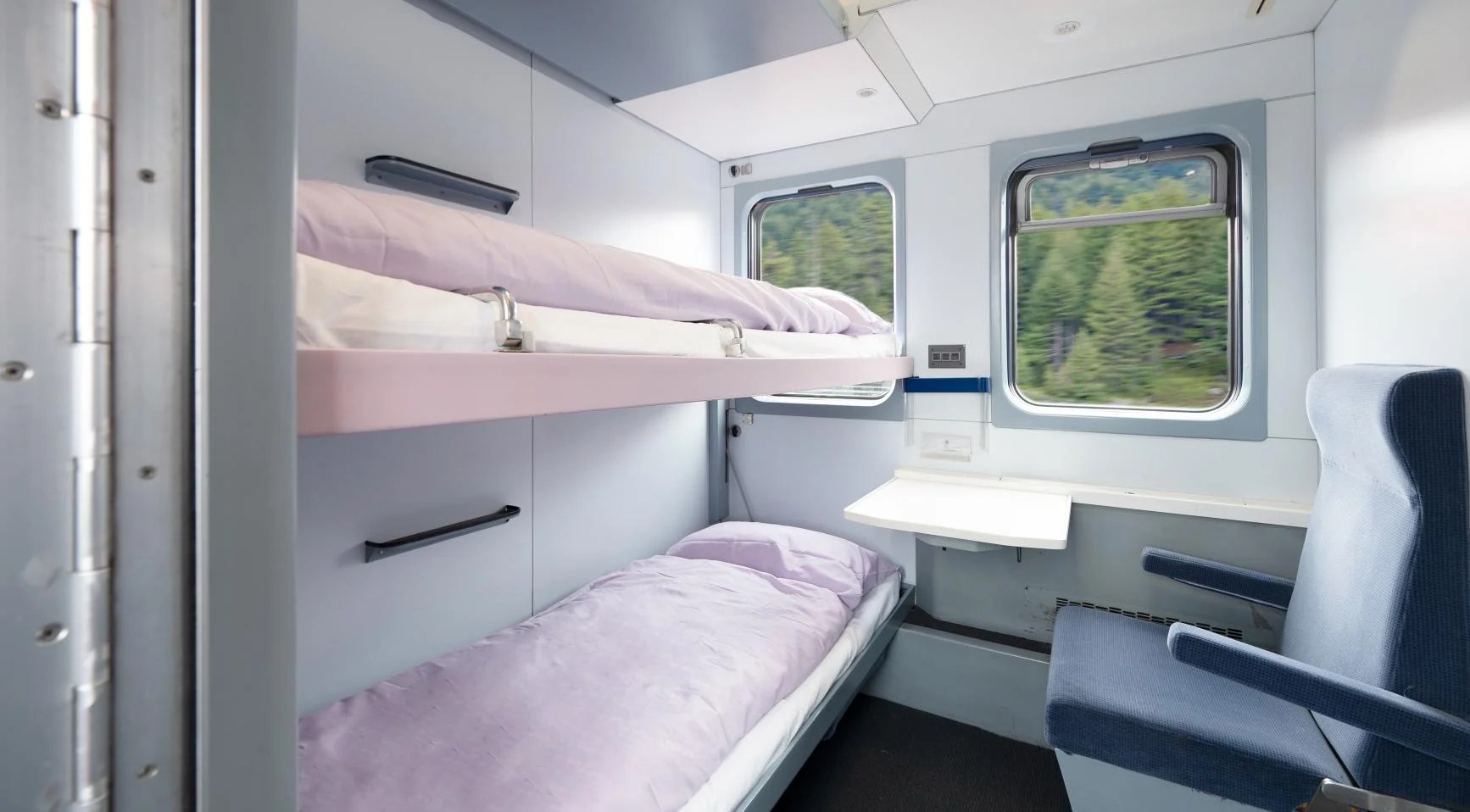
Ticket prices for the Brussels to Milan route range from 29.99 euros for a seat to 129.99 euros for a Comfort Plus sleeper. The train is expected to include one seated car, two sleeper cars, and eight couchette cars. However, the composition may change depending on bookings.
European Sleeper aims to provide a comfortable journey with a mix of seating options. While the delay might be seen as a setback for those expecting an earlier service launch, it allows the company time to ensure a smooth operation and minimize potential risks associated with a rushed start-up.
The Broader Picture: Challenges in Logistics
The delays faced by European Sleeper are not uncommon in the travel industry. As companies navigate complex logistical challenges, delays can occur for various reasons, from infrastructure issues to regulatory hurdles. For businesses like European Sleeper, these delays highlight the importance of thorough planning and contingency measures.
While the service is delayed until 2027, it’s worth noting that European Sleeper remains optimistic about its prospects.
Engelsman expressed satisfaction with the reception in Switzerland and believes that the additional time will be well spent. “There is no problem,” he stated, “but it all takes a bit longer when registering passenger transport and applying for a timetable.” Switzerland’s non-EU status adds an extra layer of complexity to these processes.
As European Sleeper continues its journey towards full operation, the challenges faced highlight the intricate nature of international travel services. The delay might be seen as a setback by some, but it also underscores the company’s commitment to delivering a quality service that meets regulatory and operational standards.