Key Highlights
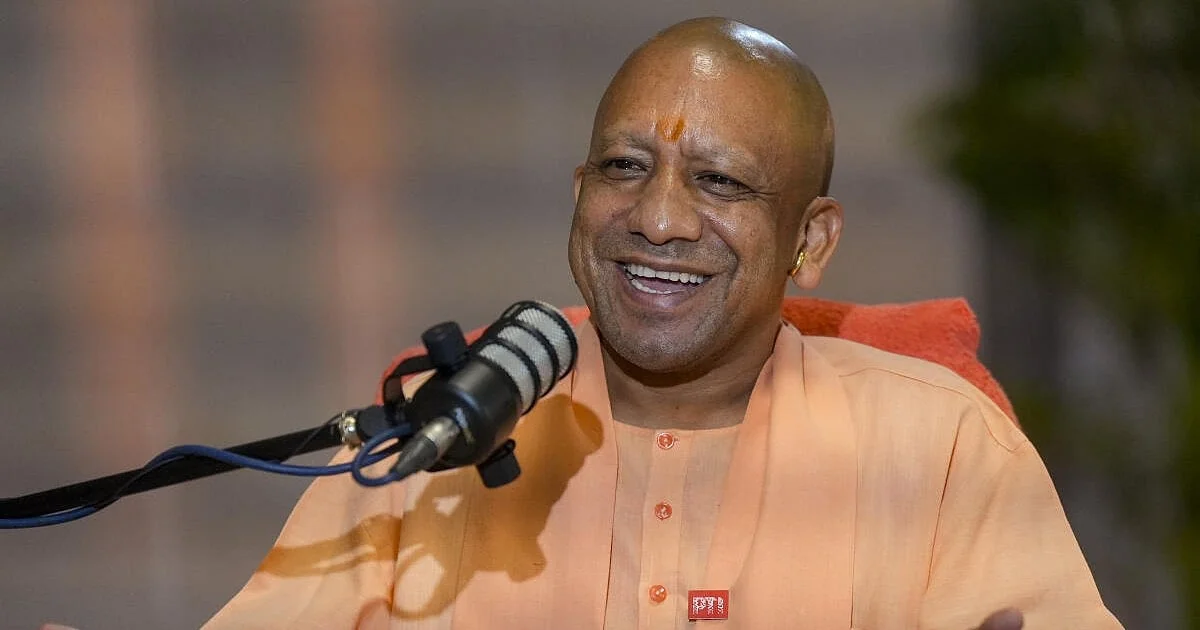
- Uttar Pradesh Chief Minister Yogi Adityanath announced the inclusion of southern languages in vocational education.
- The announcement was made during the Kashi Tamil Sangamam 4.0 event in Varanasi.
- Adityanath emphasized the importance of cultural and educational partnerships between North and South India.
- The government will bear the cost for students choosing these languages.
Uttar Pradesh Embraces Southern Languages in Vocational Education
In a move aimed at fostering greater cultural and linguistic diversity, Uttar Pradesh Chief Minister Yogi Adityanath announced that Tamil, Kannada, Malayalam, Telugu, Marathi, and Bengali will be included as part of the state’s vocational education curriculum. This decision was made during the Kashi Tamil Sangamam 4.0 event held in Varanasi.
Building Cultural Bridges
Addressing the inaugural ceremony of the Kashi Tamil Sangamam 4.0, Adityanath highlighted the inspiration drawn from Prime Minister Narendra Modi’s vision to promote such initiatives. “Inspired by PM Modi, the Uttar Pradesh government has included languages like Tamil, Kannada, Malayalam, Telugu, Marathi, and Bengali in its vocational education,” he said.
Adityanath described the Kashi Tamil Sangamam as a significant step towards strengthening and enlivening the resolve of ‘Ek Bharat Shreshtha Bharat,’ a campaign aimed at promoting unity in diversity. “This event is strengthening the cultural, educational, economic, and spiritual partnership between North and South India, opening new doors to India’s bright future,” he added.
Enhancing Cultural Awareness
The Chief Minister also announced special travel programmes that will provide pilgrims with access to holy sites such as Rameshwaram, Madurai, and Kanyakumari at discounted rates. These initiatives are part of the government’s broader strategy to enhance cultural awareness and promote tourism.
Adityanath emphasized the significance of Lord Shiva in the ancient relationship between Kashi and Tamil tradition. He noted that this connection was furthered by Adi Shankaracharya, who established holy peethas (seats) in all four corners of India. “This visit to Uttar Pradesh will provide the unique spiritual privilege of experiencing the divine darshan of Lord Ram after witnessing the Shiva devotion of Kashi,” he said.
Supporting Southern Cultural Heritage
The Chief Minister also highlighted the contributions of South Indian communities, such as the Chettiar community, in maintaining cultural and religious traditions. He mentioned that an inspiring step towards national unity is the joint educational projects between IIT Madras and BHU (Banaras Hindu University).
Adityanath further discussed the construction of a temple dedicated to Maharishi Agastya in the Ram Janmabhoomi complex in Ayodhya, as well as the installation of statues of South Indian saints like Tyagaraja, Purandara Dasa, and Arunachala Kavi. These initiatives underscore the government’s commitment to preserving and promoting cultural heritage.
The announcement comes at a time when the Uttar Pradesh government is focusing on diverse cultural and educational initiatives.
This includes the ongoing construction of the Kashi Vishwanath Dham under the leadership of Prime Minister Modi, which has reinvigorated the country’s cultural and spiritual energies.
With over 26 crore devotees visiting the temple in the last four years, with the largest number coming from Tamil Nadu, these initiatives are expected to further strengthen the ties between North and South India. The inclusion of southern languages in vocational education is seen as a significant step towards achieving this goal.
The Kashi Tamil Sangamam 4.0 event is not only a cultural celebration but also a symbol of India’s growing cultural renaissance, driven by the efforts of its leaders to promote unity and diversity.