Key Highlights
- President Donald Trump is trying to remake American culture through entertainment, focusing on reviving buddy-cop movies.
- Trump’s friend Larry Ellison owns Paramount Pictures and may revive the “Rush Hour” franchise.
- The original “Rush Hour” film was a hit in 1998 but struggled with sequels by 2007.
- Trump has shown interest in reviving “Bloodsport,” a 1988 Jean-Claude Van Damme action film.
The Trump-Ellison Cultural Alliance: Reviving ‘Rush Hour’
President Donald Trump’s ambitions extend beyond the political arena, now aiming to reshape American culture through entertainment. His latest focus is on reviving a beloved franchise that aligns with his preferred taste in movies—namely, buddy-cop comedies and action films reminiscent of the late 1980s and early 1990s.
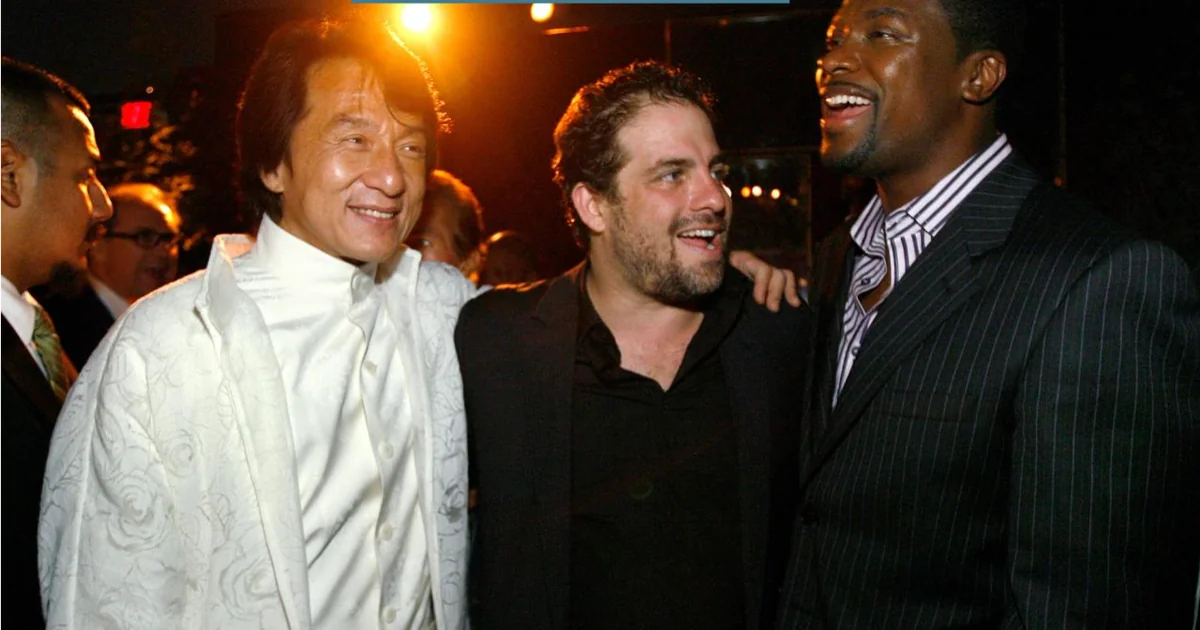
According to sources familiar with the matter, President Trump has personally lobbied Larry Ellison, one of his most prominent financial supporters and owner of Paramount Pictures. The president is pushing for a revival of the “Rush Hour” franchise, starring Jackie Chan and Chris Tucker, which reached its peak in 1998 before fizzling out by 2007.
While the initial installments of the series were critical darlings and box office successes, subsequent sequels failed to meet the same standards.
In a review from that era, critic Roger Ebert opined, “I like this movie about as much as it’s possible to like a movie with a two-star rating.” Despite its mixed reception, “Rush Hour” remains an icon of 1990s pop culture.
Artistically aligned with Trump’s preferred aesthetic, the “Rush Hour” franchise has a history that aligns well with his taste in entertainment. The film producer Dallas Sonnier predicts a wave of movies featuring mentally tough, traditional heroes who are dedicated to honor and duty—elements that resonate with the president’s vision for American culture.
Trump’s Cultural Red-Lash: A Return to the 1980s
The push to revive “Rush Hour” is part of a broader cultural red-lash that Trump has been cultivating. This movement seeks to return to a perceived golden age of American culture, characterized by machismo, traditional values, and overt action sequences—elements that were prevalent in the 1980s but have since fallen out of favor.
Trump’s involvement in shaping cultural narratives through entertainment is not unprecedented. He has previously elevated professional wrestling to a prominent political event and invited 1980s icons like Sylvester Stallone and Mike Tyson to the White House, aligning with his nostalgic vision for American culture.
The Economics of Trump’s Cultural Preferences
While Trump’s cultural preferences have largely been ignored by Hollywood’s elite, he now has a powerful ally in Larry Ellison. With Paramount Pictures under Ellison’s control and potentially expanding into the Warner legacy, there is an opportunity to realize his vision for American cinema.
A person familiar with the discussions said, “A wave of classically male-driven movies with mentally tough, traditional, courageous, confident heroes—maybe even a tad cocky, but dedicated to honor and duty—is on the horizon.” This reflects Trump’s broader cultural agenda, which seeks to counter what he perceives as woke culture and social media’s impact on society.
For now, the fate of “Rush Hour” remains uncertain. However, if realized, this project could serve as a capstone to Trump’s efforts in reshaping American culture through entertainment, aligning with his broader political and cultural ambitions.
Conclusion
The push for a new “Rush Hour” installment is indicative of a larger trend—Trump’s attempt to remake American culture by leveraging the entertainment industry. While this move may face resistance from Hollywood’s tastemakers, it reflects a significant shift in the cultural landscape under his presidency.