Key Highlights
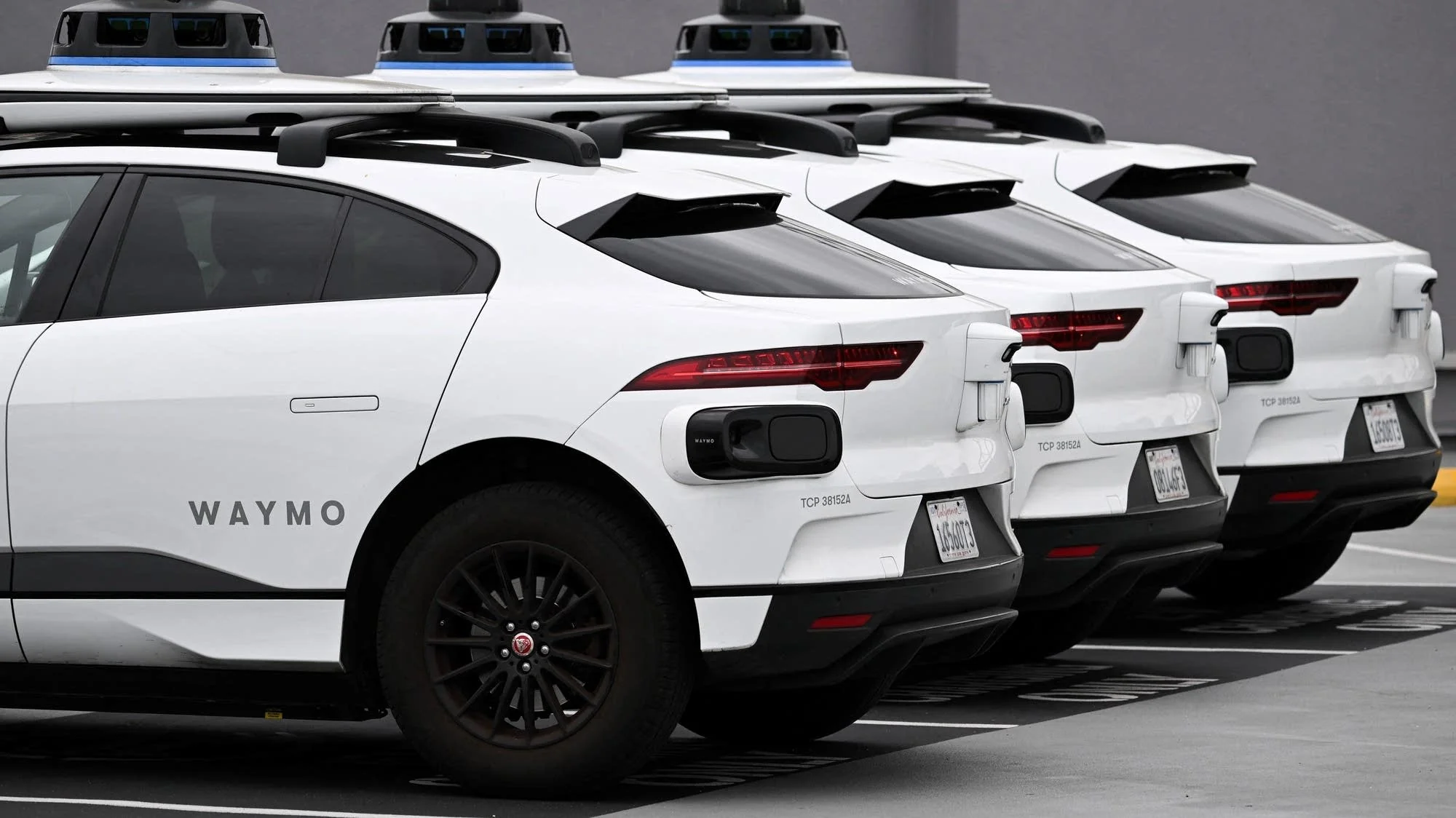
- Waymo will begin testing its self-driving taxi fleet in Minneapolis.
- The testing involves fewer than ten vehicles and will be done with a human driver behind the wheel.
- Waymo’s arrival is expected to raise concerns among drivers for rideshare companies like Uber and Lyft.
- Minnesota lawmakers have expressed support for responsible deployment of autonomous vehicles.
Waymo Expands to Minneapolis with Autonomous Taxi Testing
Minneapolis News Chandra Colvin and MPR News Staff reported on November 20, 2025, that self-driving taxi company Waymo is set to begin testing its fleet in the city.
Initial Setup and Testing Phase
The autonomous vehicle giant announced it will start laying the groundwork for a future driverless service in Minneapolis. The initial phase involves a small fleet of Jaguar and Zeekr electric vehicles, with only fewer than ten cars set to hit the streets.
According to Waymo, these vehicles will be driven by human operators as part of an extensive data collection and mapping process aimed at understanding the unique challenges of operating in Minneapolis. The company did not specify a timeline for when the testing might conclude or whether it would eventually lead to fully autonomous service availability.
Preparations for Winter Conditions
Given that Waymo’s arrival precedes winter, the company has noted its previous experience in snowy conditions across various regions. The firm stated, “We continue to validate our sixth-generation Waymo Driver, which leverages Waymo’s AI and robust cleaning mechanisms to sustain fully autonomous operations in snow and ice.” This underscores their readiness for potential challenges posed by Minnesota’s inclement weather.
Industry Reaction and Concerns
The announcement has garnered mixed reactions from the local community. Minneapolis city spokesperson Allen Henry expressed both optimism and caution, stating, “Self-driving cars like Waymo are part of the future, but cities need to be able to work with operators to keep our streets safe and traffic efficient.” His statement reflects the broader perspective that technological advancements must coexist with established regulatory frameworks.
Local lawmakers also weighed in. Republican Rep.
Jon Koznick called it “an exciting step forward,” emphasizing the importance of responsible deployment. Democratic Rep. Erin Koegel echoed this sentiment, adding, “We’re committed to ensuring autonomous deployment like Waymo’s is done responsibly.” These comments highlight the collaborative approach necessary for integrating new technologies into existing urban infrastructures.
However, the expansion has also raised concerns among drivers employed by rideshare companies such as Uber and Lyft. The Minnesota Uber/Lyft Drivers Association (MULDA) issued a statement warning that “driverless cars could lead to significant job loss among drivers who rely on rideshare income to support their families.” This reflects ongoing debates about the impact of technological advancements on employment, particularly in sectors where automation poses direct threats.
Local Initiatives and Pilot Programs
The arrival of Waymo is not the first step toward potential self-driving vehicle services in Minnesota. Previously, initiatives like the Minnesota Advanced Rural Transit Innovation (goMARTI) launched a pilot program with autonomous capabilities, though human drivers still operated the vehicles. Similarly, SouthWest Transit uses autonomous vehicles for its SW Prime on-demand rideshare service, but these too require human oversight.
These local efforts indicate an ongoing exploration of how to balance innovation with practical implementation and community concerns. As Waymo prepares for its Minneapolis tests, it must navigate not only technical challenges but also social and economic considerations that come with introducing fully autonomous transportation options.
The expansion into Minneapolis marks a significant step for Waymo’s strategy in the Midwest and highlights the complex interplay between technological advancement and urban development in regions like Minnesota.