Key Highlights
- NASA is set to release new high-resolution images of 3I/ATLAS on November 19.
- The interstellar comet has attracted significant attention since its discovery in July.
- 3I/ATLAS will make its closest approach to Earth on December 19, about 170 million miles away.
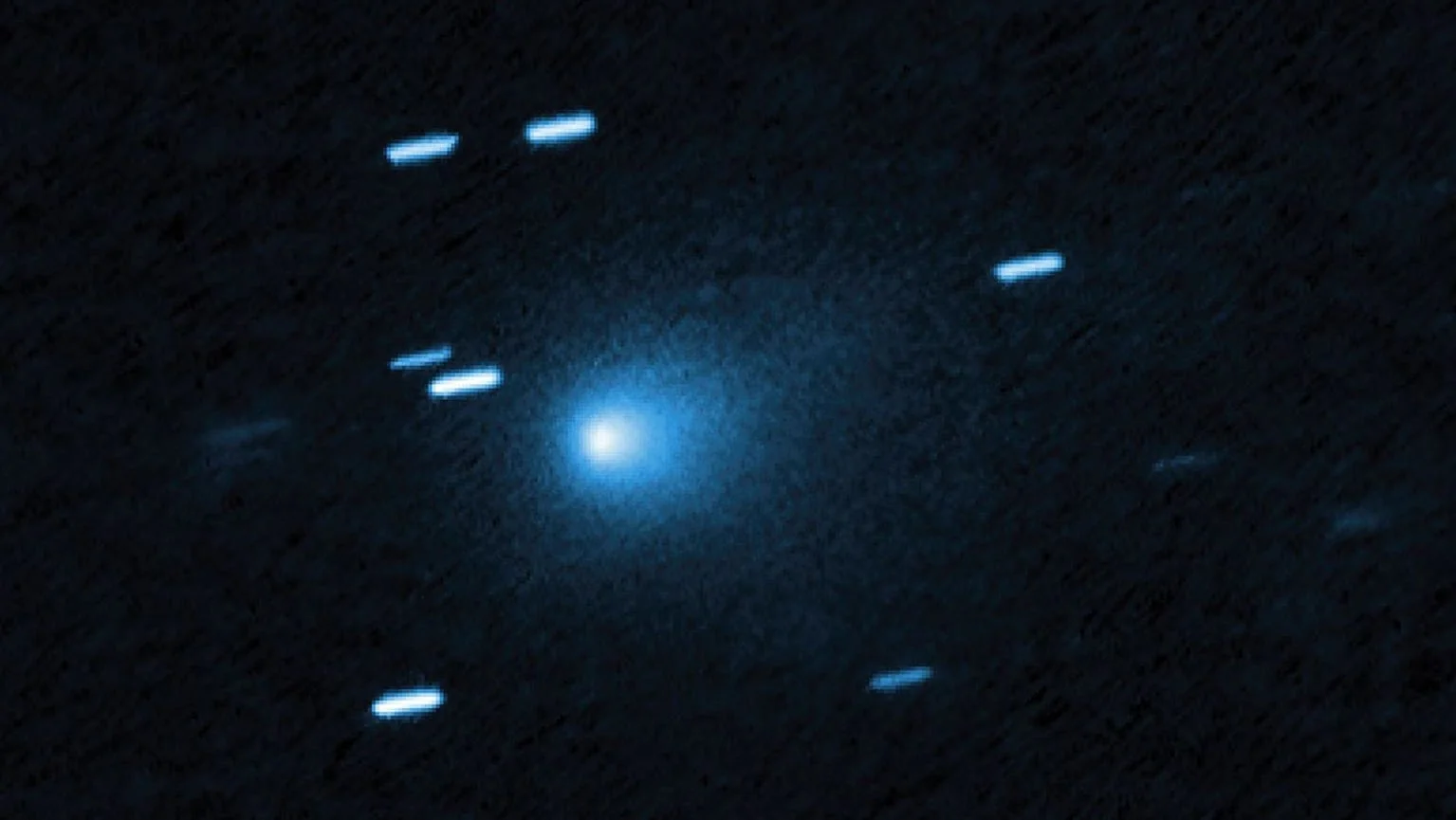
- NASA’s Hubble Space Telescope captured the sharpest-ever image of 3I/ATLAS at the end of July.
Unlocking the Secrets of an Interstellar Visitor: NASA’s Latest Comet Revelation
The cosmic spotlight is about to turn on once again as NASA prepares to unveil new high-resolution images of 3I/ATLAS, a comet that has captured global attention since its discovery in July. The event, scheduled for November 19 at 3 p.m. ET, will be streamed live from NASA’s Goddard Space Flight Center in Maryland and made available through the agency’s streaming app, NASA+, YouTube, and Amazon Prime.
Why 3I/ATLAS Stands Out
An object known as 3I/ATLAS has caused quite a stir in the astronomical community. It was first spotted by the NASA-funded Asteroid Terrestrial-impact Last Alert System (ATLAS), which reported its discovery to the Minor Planet Center, the official authority for observing and reporting new asteroids, comets, and other small bodies in the solar system.
3I/ATLAS is significant because it’s one of only three interstellar objects ever spotted in Earth’s cosmic neighborhood. Its journey from the general direction of the constellation Sagittarius, towards our solar system, spanning potentially billions of years, has made it a prime subject for observation and study. NASA notes that 3I/ATLAS was traveling at an astonishing speed of approximately 137,000 miles per hour when first detected.
Close Encounter with Earth
The comet’s closest approach to Earth is scheduled for December 19, where it will come within about 170 million miles – roughly twice the distance between Earth and the sun. This proximity offers a unique opportunity for scientists to study its composition and behavior up close.
Earlier in October, 3I/ATLAS made an even closer approach to Mars at approximately 19 million miles away. It also passed within 130 million miles of the sun on October 30. These observations provide valuable data for understanding the comet’s journey and characteristics.
NASA’s Technological Eye
The new images set to be released by NASA will come from a combination of space and ground telescopes, as well as spacecraft orbiting other planets in our solar system. The Hubble Space Telescope captured the sharpest-ever image of 3I/ATLAS at the end of July. This high-resolution image has already provided unprecedented insights into the comet’s structure and composition.
NASA’s Goddard Space Flight Center, along with its partners, is leading this ambitious project to capture and analyze these interstellar visitors.
The live event will not only showcase new images but also provide a deeper dive into what 3I/ATLAS means for our understanding of the universe and the potential implications for future missions.
Stay tuned as NASA continues to unravel the mysteries of 3I/ATLAS, an object that has redefined our understanding of comets and interstellar space. The live stream is available at the top of this article, so make sure to mark your calendars for November 19 at 3 p.m. ET.