Key Highlights
- Alaska Senator Jesse Kiehl calls for realistic budget proposals amid challenging fiscal outlook.
- The governor’s proposed budget for FY 2026 includes a $3,900 permanent fund dividend per eligible Alaskan.
- Projections show the state’s Constitutional Budget Reserve could be in $12 billion debt by 2035 if current trends continue.
- Kiehl warns that without serious fiscal reform, the Permanent Fund Dividend program may face risks.
Alaska’s Fiscal Challenges and Governor’s Budget Proposal
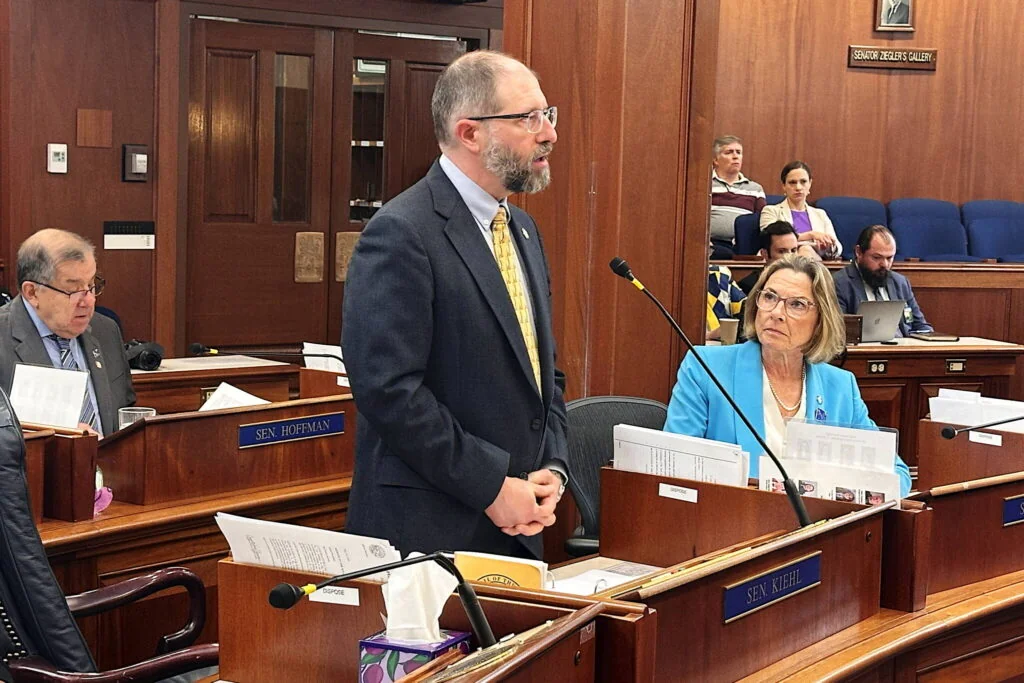
As Alaska prepares for its budget season in January 2026, state Senator Jesse Kiehl, D-Juneau, is urging lawmakers to adopt a realistic approach. Speaking at the Juneau Chamber of Commerce luncheon on October 6, 2025, Kiehl emphasized the need for prudent fiscal planning in response to anticipated economic pressures.
Current Budget Outlook
The governor’s proposed budget for fiscal year 2027 is expected next month. According to last year’s projections based on the budget plan, the state faces a concerning future with its Constitutional Budget Reserve projected to reach $12 billion in debt by 2035 if current trends continue. This projection underscores the urgency of finding sustainable solutions.
Legislative Hopes and Concerns
Kiehl expressed optimism but also caution, noting that while he hopes for a substantial change in the governor’s proposal, many legislators share his skepticism about significant alterations. The senator highlighted the potential risks to the Permanent Fund Dividend program if the state does not address its financial challenges effectively.
The History and Importance of the Permanent Fund
The Permanent Fund was established in 1976 with a mandate to invest oil revenues for future generations, ensuring that Alaskans benefit from their natural resources. Since 1982, a portion of these funds has been distributed annually as the Permanent Fund Dividend (PFD). This program is crucial not only financially but also culturally and politically in Alaska.
Recent PFD Payments
Last year’s PFD payout was significantly reduced to $1,000 per resident, marking the lowest payment since the program began. This reduction was necessitated by budget constraints that prevented raising taxes. Forecasts from early 2025 indicated an average oil price of $68 per barrel; however, as of November, this figure had dropped to $63 per barrel, further complicating the state’s financial outlook.
Future Strategies and Recommendations
To safeguard the longevity of the PFD, Kiehl advocates for reforming the fund allocation formula. He also suggests considering a constitutional amendment to prevent future legislatures from over-drawing on the fund, which could diminish its value over time. “It’s part of our economy, politics, and culture,” Kiehl stressed, emphasizing that the program serves important purposes beyond mere financial distribution.
Conclusion
The upcoming budget season in Alaska presents a critical juncture for legislators and policymakers. As Governor Mike Dunleavy prepares his spending plan, Senator Jesse Kiehl’s calls for realistic and sustainable fiscal proposals remain timely. The future of the Permanent Fund Dividend hangs in the balance as Alaskans face ongoing economic challenges.