Key Highlights
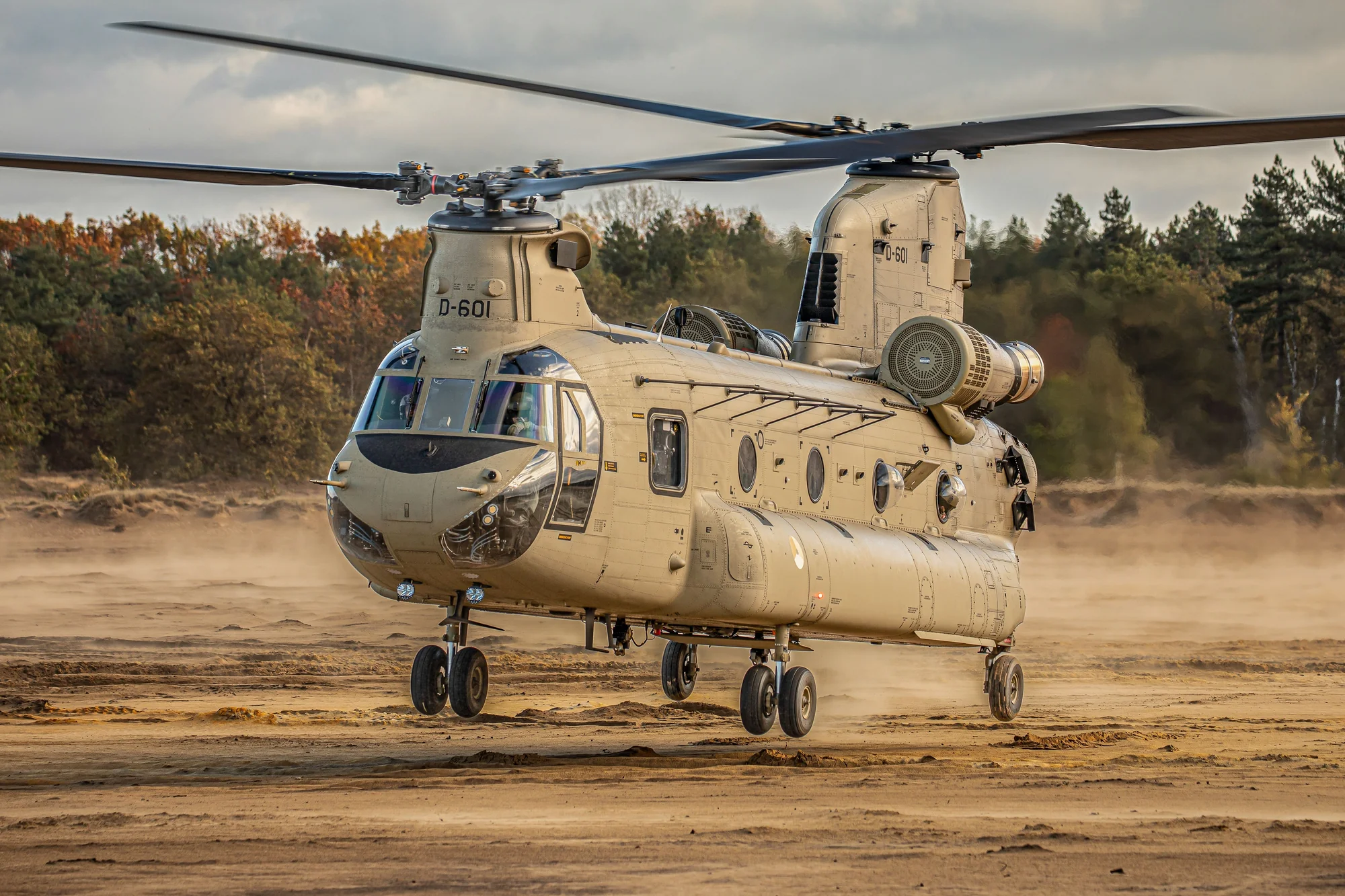
- Boeing has received a $461 million contract from the US Army for nine CH-47F Block II Chinook heavy-lift helicopters.
- The order covers production Lots Four and Five, bringing the total number of Block II Chinooks under contract to 18.
- This contract underscores the ongoing modernization efforts in the US Army’s helicopter fleet, emphasizing heavy-lift capabilities.
- Boeing’s commitment to delivering the Block II variant highlights the importance of upgrade paths and sustainment within the military aviation strategy.
New Contract for Boeing’s Chinook Helicopters
On October 21, 2025, Boeing announced a significant contract from the US Army to supply nine CH-47F Block II Chinook heavy-lift helicopters. The total value of this order is $461 million and covers production Lots Four and Five.
The announcement was made by Reuters, emphasizing that these Chinooks are part of an ongoing modernization effort within the US military’s aviation fleet. This latest contract brings the total number of Block II Chinooks under contract to 18, further solidifying Boeing’s role in supporting the Army’s heavy-lift requirements.
Strategic Fit and Future Implications
The procurement of these additional Chinooks aligns with the US Army’s strategic priorities in multi-domain operations, rapid deployment, and contested environments. The CH-47F Block II is particularly valued for its long range and high-payload lift capabilities, making it indispensable for moving equipment, personnel, and logistics in challenging theatres.
According to Daniel S Osipov from Simple Flying, “The continued demand for the Chinook highlights its versatility and reliability. As Boeing faces challenges with production quality and meeting deadlines, securing this order is crucial for demonstrating their reliability.” This contract not only ensures a steady revenue stream but also positions Boeing as a key player in military aviation.
Boeing must continue to meet the Army’s expectations for reliability, readiness, and cost-effectiveness.
The company’s performance will be critical for future contracts and maintaining its position within the military supply chain. With newer threats and operational demands across the globe, the Chinook’s continued relevance is paramount.
The Legacy of the CH-47 Chinook
Developed by Vertol in the 1950s and entering service in 1962, the Chinook has a rich history spanning over six decades. Originally used in the Vietnam War, it quickly became a mainstay of the US Army’s helicopter fleet and is also deployed for the Army National Guard and Reserve units.
To date, over 1,200 Chinooks have been constructed, with Boeing taking over production following its acquisition of Vertol in 1960. The CH-47F Block II represents the latest iteration of this legendary helicopter, featuring advanced avionics, structural enhancements, and optimized sustainment.
Looking ahead, the US Army is planning for a Block III upgrade and expects the Chinook to remain in service beyond the 2060s.
This would make it one of, if not the longest-serving aircraft type in the US military’s history. The CH-47F Block II’s potential retirement date is over 100 years after its initial introduction, underscoring its enduring utility and importance to the military.
As Boeing continues to support these ongoing efforts, it faces challenges but also opportunities. Sustaining the Chinook line and securing repeat orders are critical for maintaining a steady revenue stream in an otherwise volatile commercial aviation sector. Boeing’s ability to demonstrate cost control, delivery reliability, and innovation will be key factors in its success.
Conclusion
The $461 million contract for nine CH-47F Block II Chinook helicopters signifies the ongoing modernization of the US Army’s heavy-lift capabilities. This order not only bolsters Boeing’s position but also underscores the continued relevance and importance of the Chinook in military operations. As Boeing works to address production challenges, it must continue to meet the high standards set by the US military to secure future contracts and maintain its leadership in military aviation.