Key Highlights
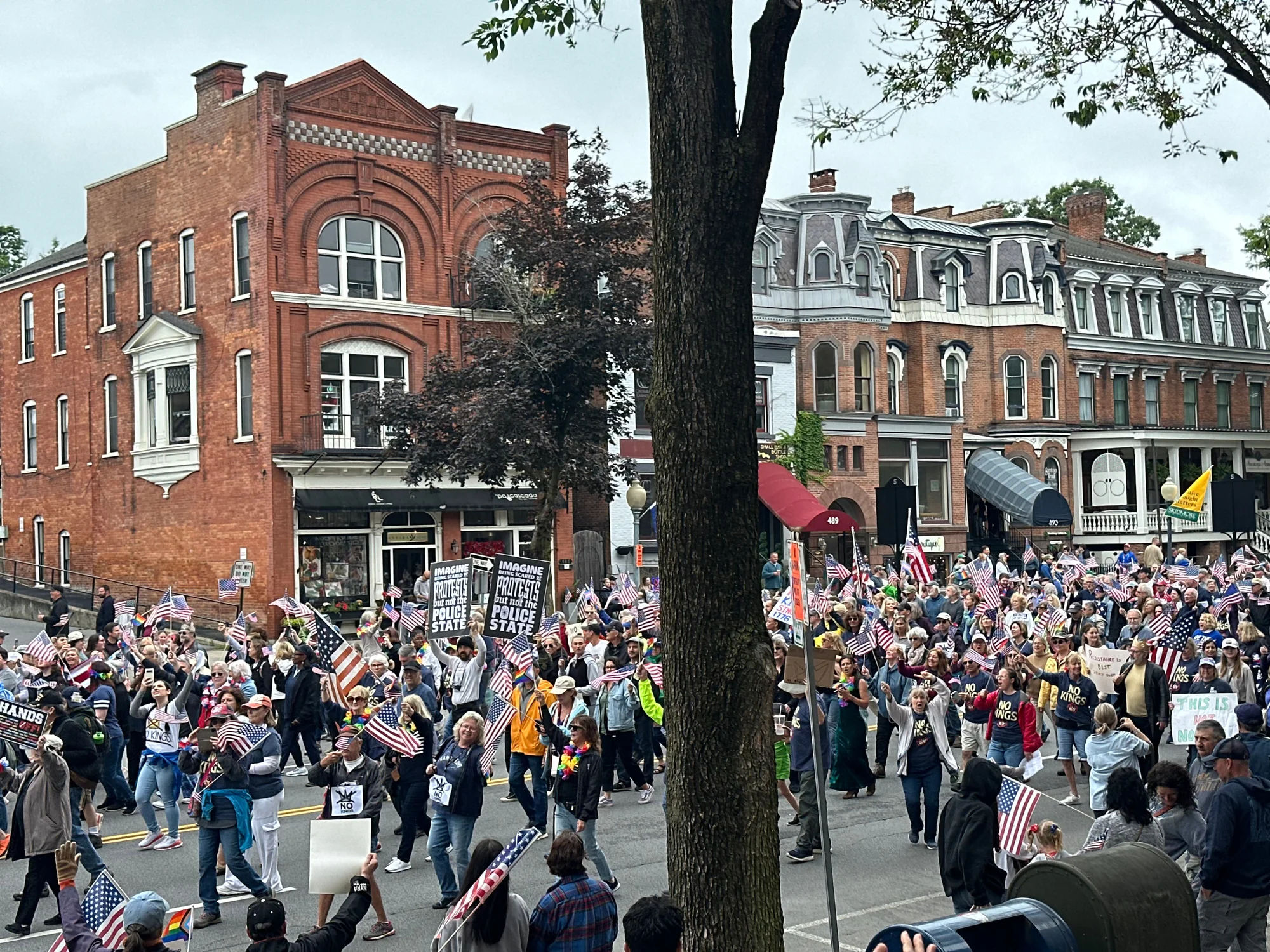
- No Kings nationwide protests against the Trump administration’s policies drew significant attention.
- The movement emphasized concerns over immigration, education resources, and environmental protections.
- Protesters across the country demonstrated unity through a variety of actions, including wearing yellow and marching in animal costumes.
- Republican officials criticized the protests as anti-American, while some state governments mobilized National Guard units for potential unrest.
The Scope and Scale of the Protests
No Kings, a network of progressive organizations opposed to President Trump’s policies, organized nationwide protests on October 18, 2025. Organizers reported that over 2,600 events were planned in nearly every state, with projections suggesting an even larger turnout than the previous June action which attracted approximately five million participants.
The scale of Saturday’s protest is indicative of ongoing dissatisfaction among Americans regarding the administration’s policies. Demonstrations ranged from small local gatherings to large citywide marches, such as those in Washington D.C., San Francisco, and West Palm Beach. The protests were a response to issues like immigration detentions, cuts to federal education resources, and environmental regulations.
Key Issues and Messages
The overarching theme of the No Kings protests was criticism of President Trump’s perceived behavior as a monarch rather than an elected official. Protesters cited several issues as reasons for their dissatisfaction, including aggressive federal intervention in state matters, increased immigration enforcement, and reduced funding for public education and environmental protection.
Sen. Bernie Sanders, an Independent who caucuses with Democrats, addressed the Washington D.C. protesters, emphasizing concerns about wealth inequality.
He highlighted how tech billionaires like Elon Musk, Jeff Bezos, and Mark Zuckerberg have become richer since Trump’s presidency began, drawing attention to what he saw as a growing disparity in wealth and power.
Protesters also focused on immigration policies, with many expressing support for immigrants and advocating for more humane treatment. For instance, Maria Floriano of California wore butterfly-themed clothing and highlighted the beauty of migration, stating that it is an act of courage.
Reactions from Political Figures and Law Enforcement
The protests were met with mixed reactions from political leaders. House Speaker Mike Johnson described them as “hate America rallies,” while other Republicans expressed skepticism or outright criticism of the events. In contrast, Democratic representatives largely supported the right to protest but emphasized their commitment to American values.
Some state governments took proactive measures in anticipation of potential unrest.
Republican governors Glenn Youngkin of Virginia and Greg Abbott of Texas mobilized their states’ National Guards for training purposes, though no arrests were made during the protests. Law enforcement presence was noted as being smaller than it had been during previous No Kings events.
Despite some vocal criticism from political figures, the day largely passed peacefully. Demonstrators in cities like New York and San Francisco filled major thoroughfares with their messages, expressing hope for a return to democratic principles and constitutional rights.
Conclusion
The No Kings protests underscored deep-seated concerns among Americans about the direction of the country under President Trump’s administration. While reactions from political leaders varied widely, the unity and creativity displayed by protesters highlighted the enduring importance of civic engagement in a democracy. As the nation continues to navigate complex issues like immigration and federal policy, these demonstrations serve as a reminder of the ongoing need for dialogue and action.