- President Donald Trump’s mockery of “No Kings” protesters on social media reinforces his autocratic tendencies.
- The president’s actions trivialize the serious concerns raised by the millions of Americans who participated in the protests.
- Trump’s behavior, including pardons and military operations, shows a disregard for constitutional checks and balances.
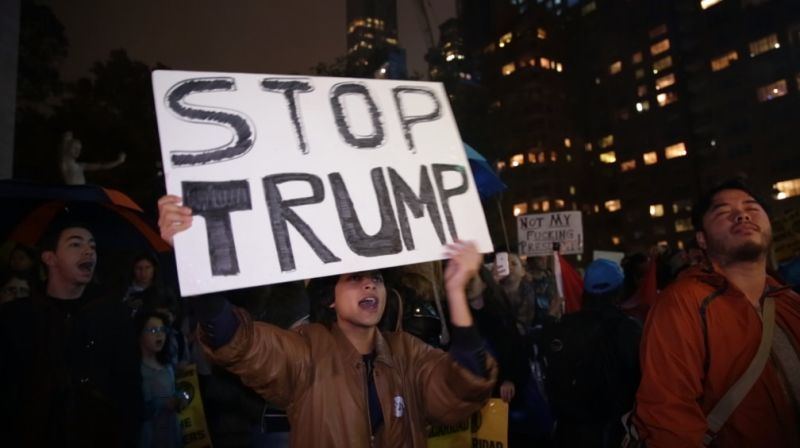
- The “No Kings” protests highlight growing resistance to Trump’s authoritarianism among American citizens.
President Trump Mocks “No Kings” Protests on Social Media
On Saturday, President Donald Trump and Vice President JD Vance posted AI memes depicting the president in a crown, further mocking millions of Americans who participated in the “No Kings” protests. These social media posts trivialize the serious concerns raised by the protesters and reinforce the idea that Trump sees himself as an all-powerful leader.
The memes were posted on Bluesky, a social media platform with a predominantly liberal user base, where Vance’s post featured prominent Democrats kneeling before him in a royal court. This act of mockery is particularly concerning given the growing perception among Americans that their president is acting like a king, undermining democratic principles and constitutional checks.
Implications for American Democracy
The posts are not only juvenile but also betray a striking contempt for tens of millions of Americans who support democratic free speech. They trivialize the protesters’ grave concerns about Trump’s autocratic behavior and imply that those who oppose him lack a sense of humor or are overly serious.
Moreover, these actions come at a time when Trump is increasingly acting with an imperious style, defying constitutional norms and eroding democratic institutions. His commutations and pardons, such as the release of former Rep.
George Santos, highlight his unaccountable power and disregard for the legal system’s impartiality.
The president’s authoritarian writ is also being extended abroad through military operations targeting drug traffickers in the Caribbean, which may be illegal and unconstitutional. This unilateral action raises concerns about the erosion of democratic processes and the rule of law.
Growing Resistance to Trump’s Authoritarianism
Despite Trump’s attempts to dismiss the “No Kings” protests as ineffective and his supporters’ efforts to denigrate them, millions of Americans participated in more than 2,700 events across 50 states. These protests indicate a growing resistance to Trump’s authoritarian tendencies among many citizens who see him as a threat to democracy.
Protesters dressed as frogs, chickens, and statues of liberty mocked the administration’s rhetoric about the protests just as effectively as the president mocked them on social media. Colleen Connell, executive director of the Illinois chapter of the American Civil Liberties Union, stated that millions of people are turning out to protest because it is a “scary time.”
Organizers claimed 7 million protesters came out at the weekend, which would mean nearly 10% of the 75 million people who voted for Kamala Harris last November joined in. This shows that while many support tough-guy policies like expanding immigration enforcement, a significant portion of Americans are concerned about Trump’s actions and believe they need to take action.
Conclusion
A Warning for Future Resistance
The “No Kings” protests may come to be seen not just as a reaction to Trump’s first nine months in power but as a harbinger of greater resistance to come. While some supporters back tough-guy policies, many others see Trump’s actions as un-American and believe they must act to protect democracy.
As the stakes grow higher with ongoing government shutdowns and military operations, it is clear that Trump’s behavior will continue to be scrutinized by both protesters and the media. The upcoming months may reveal whether his methods will lead to political and social fracture or a fall from power due to increasing opposition and a growing sense of democracy at risk.