Key Highlights
- The national average price for a gallon of regular gasoline in the U.S. fell below $3 on Sunday.
- This is largely due to OPEC’s decision to increase oil production, which has driven down prices since late December.
- Experts predict that gas prices could dip into the $2.80s by the end of 2025.
- The usual drop in gas demand during fall and winter will contribute to continued price decreases.
A Surge in Gasoline Prices Below $3
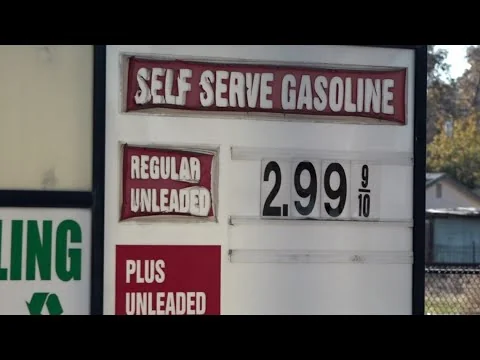
On Sunday, the national average price for a gallon of regular gasoline in the U.S. dropped below $3 for the first time since late December. According to data from GasBuddy, which tracks fuel prices across the nation, the cost is now “on track to potentially be the lowest daily average since May 2021.” This significant drop is largely attributed to the Organization of the Petroleum Exporting Countries (OPEC) increasing its production levels.
OPEC’s Role in Driving Down Prices
Patrick De Haan, head of petroleum analysis at GasBuddy, explained that the recent decision by OPEC+ producers to ease up on voluntary cuts in oil production has been the “primary force behind the relief drivers are seeing at the pump.” The group added about 1.4 million barrels per day this year, contributing to a supply surplus and subsequent price decreases.
Predictions for Future Gas Prices
According to De Haan, trends generally point towards continued price drops, with predictions that prices could dip into the $2.80s by the end of 2025. He noted that several factors are working in favor of lower gas prices: weaker demand and easing inflation have created an ideal environment for prices to fall.
Additional Factors Contributing to Lower Prices
De Haan also highlighted the potential impact of winter blend gasoline, which typically translates to a drop of 10 cents to 30 cents per gallon. As more pumps make the switch from summer blends to winter blends in preparation for colder weather, this could further reduce prices at the pump.
The Impact on Consumers and the Economy
For consumers, lower gas prices mean savings at the pump, which can translate into increased discretionary spending during the fall and early winter months. This economic boost could have a positive impact on local businesses and overall consumer confidence. Additionally, reduced fuel costs could help ease some financial burdens for households struggling with inflation.
Future Outlook
While there are indications that gas prices could continue to decline, experts caution that short-term fluctuations may still occur due to various market dynamics. Nonetheless, the current trajectory suggests a favorable environment for lower gas prices in the near future, potentially providing relief to drivers and contributing positively to economic growth.
Key Highlights
- The national average price of gas fell below $3 for the first time since December 2024.
- OPEC’s increased production has been a primary factor in driving down prices.
- Experts predict further drops to as low as $2.80 by year-end.
- The usual drop in demand during fall and winter will contribute to continued price decreases.