Key Highlights
- Xiaomi delivered 48,654 vehicles in October, a new record and second consecutive month of over 40,000 deliveries.
- The YU7 is the top-selling model, with 33,662 units sold in October, accounting for nearly 69.19% of all deliveries.
- Deliveries of the YU7 surged by 50.49% compared to September, driven by increased factory capacity allocation.
- The SU7 sedan saw a drop in October deliveries due to prioritization of the YU7, but overall demand remains strong with long wait times for both models.
Market Performance and Strategy Shifts at Xiaomi EV
Xiaomi, one of China’s leading tech giants, has recently demonstrated significant momentum in its electric vehicle (EV) business. In October 2025, the company achieved a remarkable milestone by delivering 48,654 vehicles, marking a new record and continuing its upward trajectory. This month’s success is particularly noteworthy as it represents a second consecutive month with deliveries exceeding 40,000 units.
The YU7 Model’s Dominance
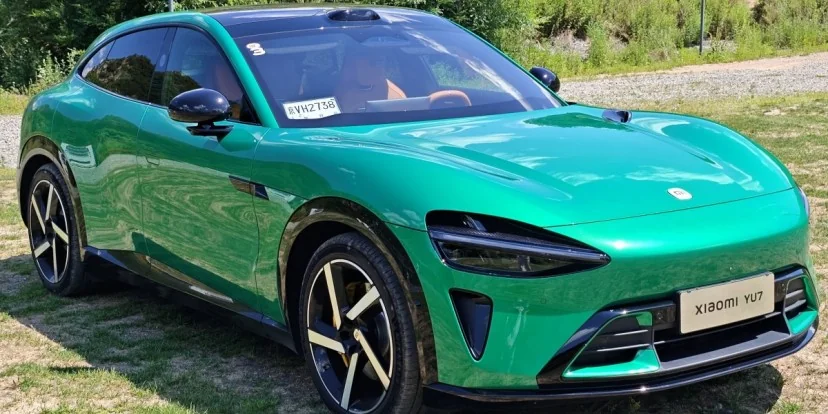
Underpinning Xiaomi EV’s impressive figures is the success of the YU7, its first electric SUV. In October alone, this model accounted for an astounding 33,662 deliveries, contributing to nearly 69.19% of all vehicles sold by Xiaomi during that month. This surge in demand highlights a strategic shift towards prioritizing higher-margin and more technologically advanced models like the YU7.
Strategic Allocation and Production Bottlenecks
The exponential growth in YU7 deliveries can be attributed to increased factory capacity allocation, reflecting Xiaomi’s recognition of strong market interest. However, this shift has had a mixed impact on the company’s broader product lineup. The SU7 sedan, which includes both standard and top-tier models, experienced a 23.43% drop in October deliveries to 14,992 units. This decline is attributed to production bottlenecks rather than reduced consumer interest, as reported by industry analysts.
Waiting for Delivery: A Test of Consumer Patience
The success of the YU7 and the SU7 sedan highlights a broader trend in the EV market—high demand outstripping current manufacturing capabilities. As a result, customers ordering either model face significant wait times. For the standard SU7 sedan, delivery timelines range from 26 to 30 weeks, while the YU7 SUV has an even longer waiting period of up to 38 weeks. These extended lead times underscore the robust demand for Xiaomi EV’s products and the company’s strategic focus on meeting that demand through increased production.
Future Outlook and Industry Context
Xiaomi’s impressive performance in October suggests that the company is well-positioned to exceed its full-year target of 350,000 units. With strong deliveries already achieved by mid-October, it is almost certain that Xiaomi will comfortably surpass this goal by the end of November. This success comes as part of a broader trend in China’s EV market, where domestic manufacturers are increasingly competing with global giants like Tesla.
Industry experts predict that continued investment in R&D and factory capacity expansion will be key for Xiaomi to maintain its competitive edge. The company’s ability to adapt quickly to changing market dynamics—such as prioritizing higher-demand models while managing production bottlenecks—is a testament to its strategic acumen.
Conclusion
Xiaomi EV’s October performance underscores the growing importance of electric vehicles in China and globally. By successfully navigating production challenges and capitalizing on strong market demand, Xiaomi has solidified its position as a formidable player in the EV space. As the company continues to expand its product lineup and invest in advanced manufacturing capabilities, it is poised to play a significant role in shaping the future of the automotive industry.