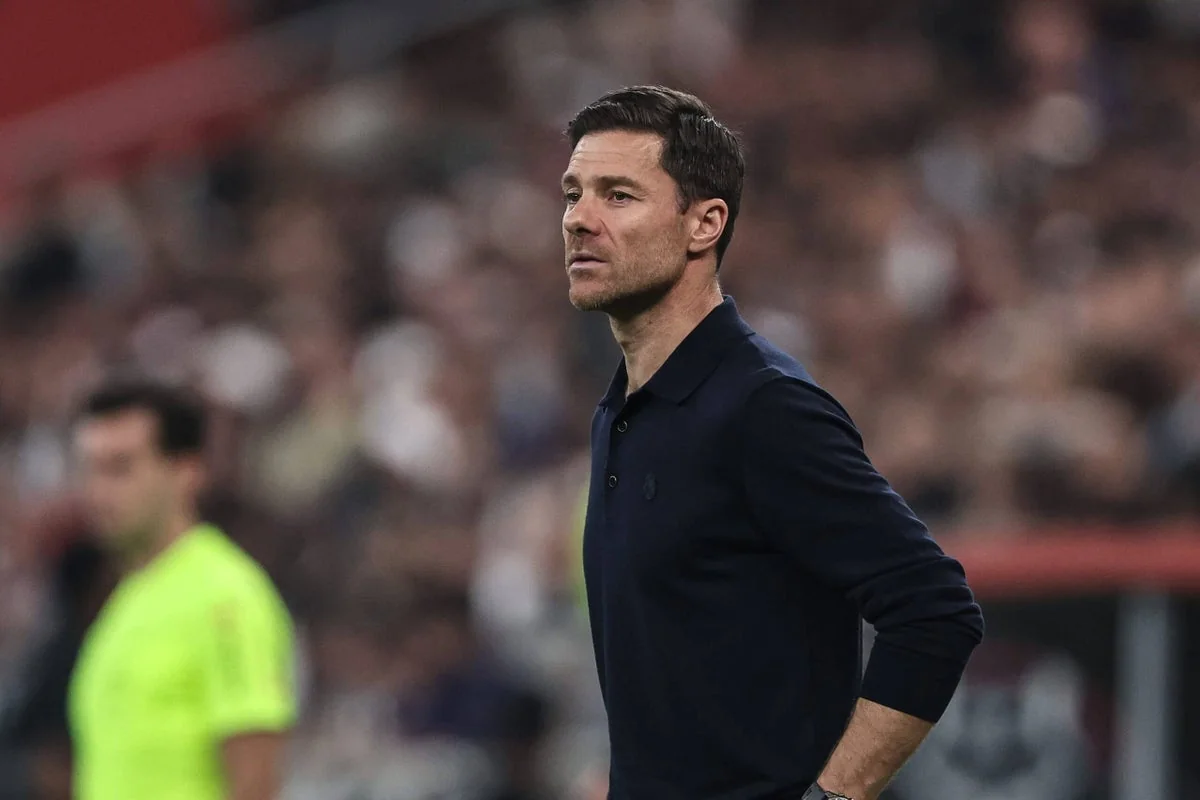
Key Highlights
- Xabi Alonso’s tactical flexibility in the Supercopa de Espana final against Barcelona was a testament to his pragmatic approach at Real Madrid.
- Alonso adapted his team shape and defensive setup, using a five-strong back line when defending, despite facing pressure from Florentino Perez over his coaching methods.
- The match highlighted Alonso’s ability to evolve his tactics based on player availability and opponent strength.
- Madrid’s squad faces challenges in maintaining a consistent style of play, particularly in midfield and attacking depth.
Xabi Alonso’s Tactical Flexibility at Real Madrid
Real Madrid faced a significant test against their fierce rivals Barcelona in the Supercopa de Espana final on January 8, 2026. Xabi Alonso, who took charge of the team last May, demonstrated his tactical acumen and flexibility by changing his team shape to a 5-3-2 formation for defensive purposes. This move was crucial as it acknowledged that Madrid could not dominate possession against Barcelona’s well-drilled defense under Hansi Flick.
Alonso’s decision to use a five-strong back line showed his pragmatic approach, reflecting the reality of working with players who might not fully embody his idealized style of play. This adjustment was necessary to ensure Madrid remained competitive and capable of capitalizing on any opportunities that arose during the game.
The Pragmatic Approach of Xabi Alonso
Alonso’s tactical setup in this match had echoes of his playing days under Jose Mourinho at Real Madrid, where he learned the importance of sitting deep and stifling opponents. This pragmatic approach was further evident when Madrid faced Atletico Madrid on Thursday, with their midfield play being disjointed and heavily reliant on goalkeeper Thibaut Courtois for defensive contributions.
While Alonso’s initial appointment as manager was seen as a bold move to bring in one of Europe’s most forward-thinking young coaches, his recent actions demonstrate an evolution towards more practical solutions. “The Xabi who arrived in June is not the same as today,” Alonso admitted during post-match interviews, acknowledging that he had learned from experience and adjusted his methods.
Challenges Ahead for Real Madrid
Despite Alonso’s tactical flexibility and Madrid’s competitive spirit, the team still faces significant challenges. The squad lacks depth in midfield playmaking skills, with key players like Toni Kroos and Luka Modric having departed. This gap affects Madrid’s ability to control possession and territory effectively.
In addition, injuries have hampered several top stars, including Dani Carvajal and center-backs Eder Militao and Antonio Rudiger.
Only Alvaro Carreras has been successful in his new role, while other signings like Dean Huijsen and Trent Alexander-Arnold continue to struggle with regular fitness issues.
The balance of Madrid’s attacking lineup is also a concern, with Kylian Mbappe, Vinicius Junior, and Rodrygo all preferring the left side. The team’s style of play against Barcelona was described as reminiscent of “a small team like Getafe,” indicating that Alonso still has work to do in shaping his squad into a formidable force both domestically and in European competitions.
Conclusion
Xabi Alonso’s ability to adapt his tactics under pressure is crucial for his future at Real Madrid. The 44-year-old manager’s pragmatic approach, despite facing doubts from the club hierarchy, has kept him employed so far. However, the challenges of maintaining a consistent style while dealing with injuries and player preferences remain significant.
Alonso’s next task will be to sort out the squad’s balance, get his best players back fit, and organize them into a shape that can compete at the highest level in La Liga, the Copa del Rey, and the Champions League. The Supercopa de Espana final result serves as both an indication of current strengths and weaknesses and a reminder of the long road ahead for Alonso and Real Madrid.