Key Highlights
- The U.S. government is still shut down more than two weeks after the initial deadline.
- Top congressional leaders are holding dueling press conferences but showing no serious negotiation efforts.
- Despite some delays, the administration has taken steps to mitigate immediate impacts on federal workers and agencies.
- Democrats argue that these actions prolong the impasse by removing pressure points.
The Current State of Government Shutdown
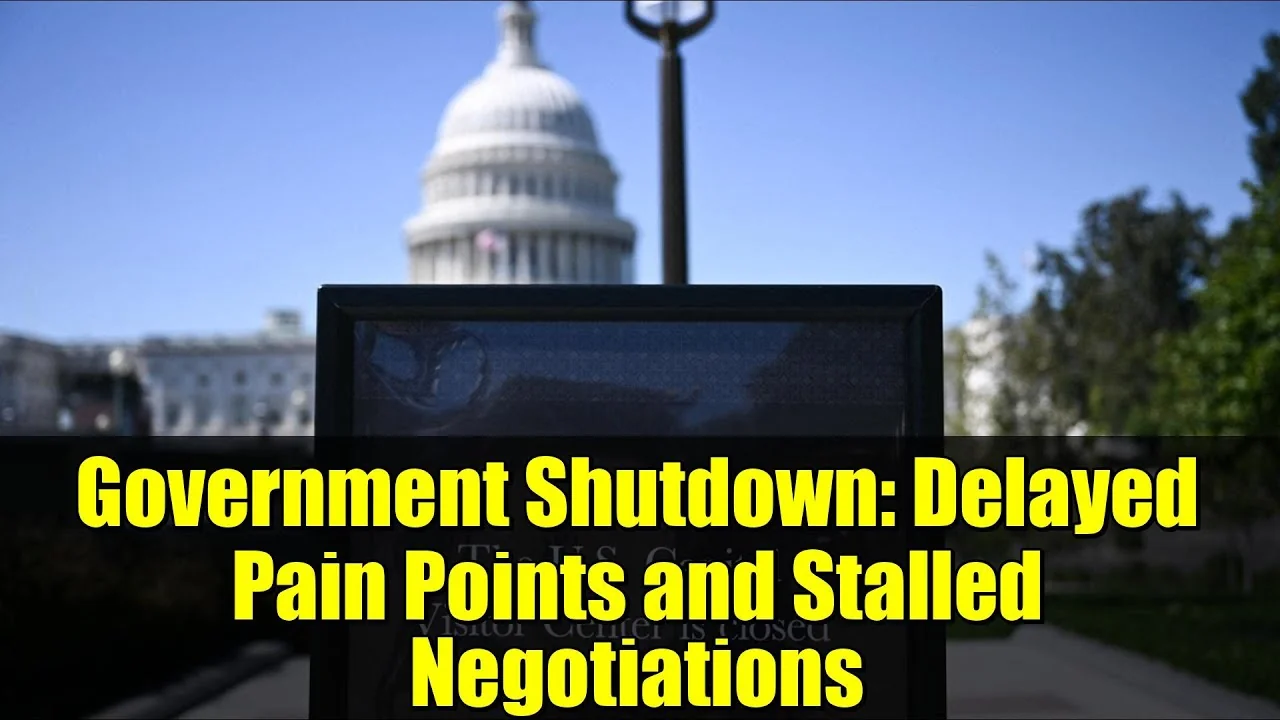
As of October 17, 2025, the U.S. government remains shut down for more than two weeks following the initial deadline on October 1. The shutdown has affected various federal agencies and services across the country, leading to a significant disruption in daily operations.
Stalemate on Capitol Hill
The absence of serious negotiations is evident as top congressional leaders continue to hold press conferences without making any substantial progress. Speaker Mike Johnson, R-La., has stated that the House will not return until Senate Democrats break their opposition to a stopgap bill passed by the House to fund federal agencies through November 21.
Despite the lack of negotiations, there have been some measures taken by the administration to mitigate immediate impacts. For instance, the Pentagon shifted funds around to cover Oct. 15 paychecks for servicemembers, and the administration used $300 million in tariff revenue to keep a nutrition program for low-income women and children operational.
Administration’s Efforts and Their Impact
The White House Office of Management and Budget (OMB) stated that it was “making every preparation to batten down the hatches and ride out the Democrats’ intransigence.” This approach has included various financial maneuvers to ensure some federal workers, particularly law enforcement officers across the Department of Homeland Security, receive their pay.
While these actions may have delayed some immediate pain points for targeted programs and agencies, they are also seen as prolonging the impasse. Senator Peter Welch, D-Vt., expressed skepticism about the sustainability of this approach: “The administration’s efforts may or may not take some pressure off, but it is not sustainable.”
Pressure Points and Future Implications
Democrats argue that they have leverage to force a debate on expiring health care subsidies through their minority status in Congress. They believe that public understanding of potential premium spikes could push the GOP to act. Rep.
James Walkinshaw, D-Va., mentioned that there is currently no legal mechanism to pay air traffic controllers and highlighted the unpredictable markets facing farmers due to President Trump’s tariff policies.
November 1 presents a critical date as it marks the beginning of open enrollment for people getting coverage through the Affordable Care Act. Most states will send out notices detailing increased costs without federal subsidies, which could create additional pressure on lawmakers to act.
Conclusion
The ongoing government shutdown continues to strain both political parties and their respective bases. While the administration’s efforts have delayed some immediate impacts for certain groups of federal workers and agencies, it remains unclear how long these measures can be sustained. As the deadline approaches, the pressure on lawmakers to reach a resolution is expected to intensify, particularly if health care premiums start to increase significantly.