Key Highlights
- About 1,000 people queue daily in central Sydney to buy gold.
- Gold price has surged from about US$4,200 an ounce to more than US$4,300 in just three days.
- Analysts attribute the surge to global uncertainty and political intervention in the U.S. economy.
- Retail investors like Avtar are buying gold despite concerns about speculative market behavior.
The Gold Rush: Sydney’s Queues for Precious Metals
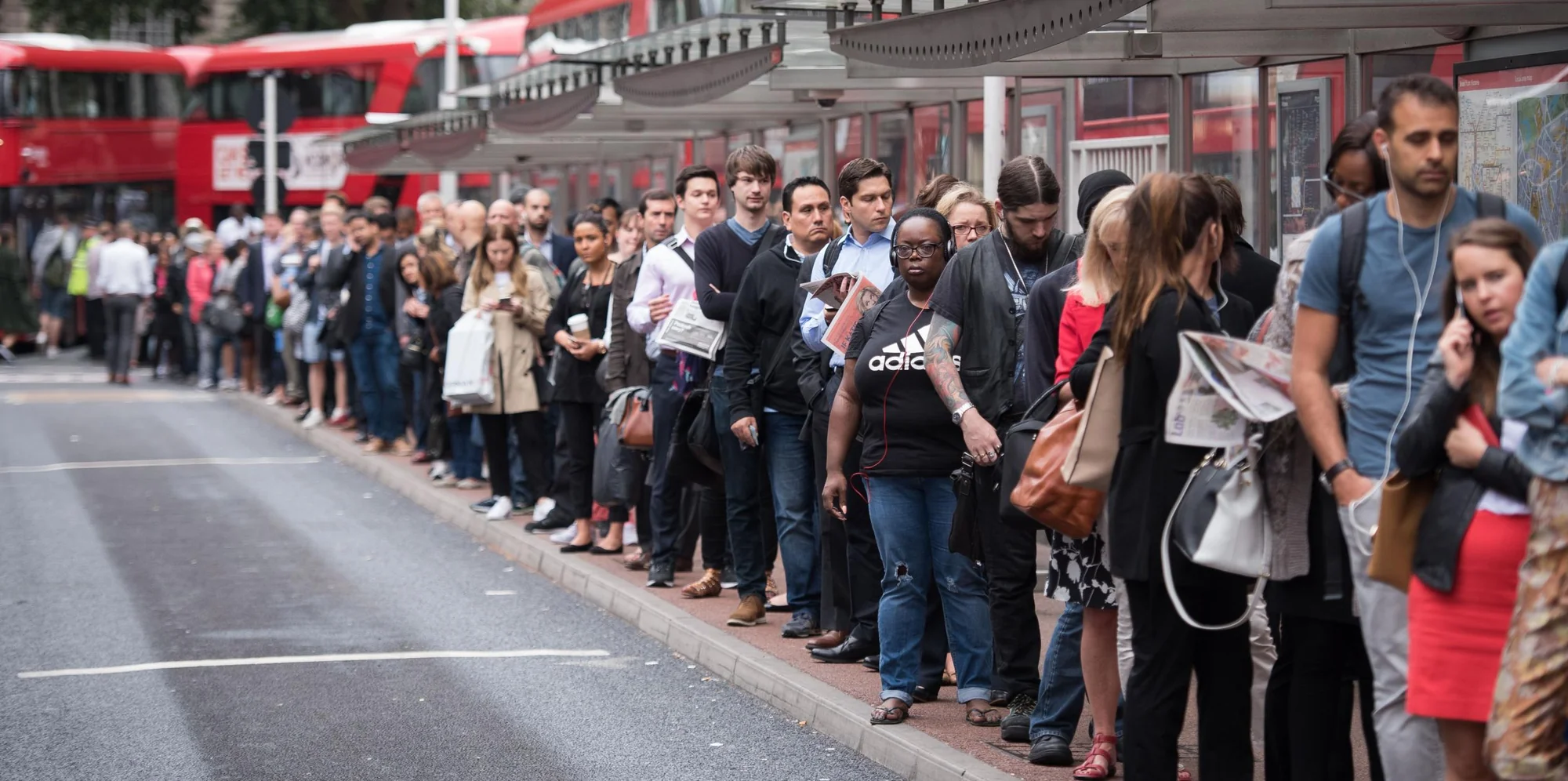
Central Sydney has seen a unique phenomenon in recent weeks, with hundreds of people queuing daily at the ABC Bullion store in Martin Place. The queue stretches for blocks, with some investors willing to wait hours for an ounce of gold.
A Sustained Uptick in Demand
According to Jordan Eliseo, the manager of the Sydney branch of ABC Bullion, this unprecedented demand has forced him to extend trading hours and hire additional staff. “That’s the first time that we’ve seen this sustained uptick in demand,” he states. The price of gold, which had been hovering around US$4,200 an ounce, saw a significant jump to over US$4,300 within just three days.
Global Uncertainty and Investor Behavior
The surge in interest has not gone unnoticed by financial analysts. The Royal Bank of Canada recently upgraded its forecast for gold prices, predicting they could reach up to US$5,000 (A$7,700) by early 2026. This projection is based on the global economic uncertainties driven primarily by political intervention in the U.S. economy and ongoing conflicts around the world.
For investors like Avtar, a nurse from Sydney’s northern suburbs, this uncertainty means more than just speculation.
He took US$78,000 out of his retirement savings and invested it in gold in April, seeing its value grow to nearly US$112,000. However, the rising prices have him concerned about potential market corrections. “Prices have gone scary,” he says. “If you invest now, will it crash, or will it still keep on growing?”
Expert Perspectives and Market Concerns
Australia’s chief economist at AMP, Shane Oliver, has warned for two weeks that exploding queues could be a sign of speculative behavior in the market. While the queues have continued to grow, and prices remain high, Oliver still stands by his warning: “The risk of a pullback is rising.”
While many are buying gold as a safe haven against economic uncertainty, others like Sayed, a tradesman from Campbelltown, are benefiting from the price spike. He plans to buy another ounce but admits he has no idea if the price will continue to rise. “Maybe it could jump again,” he speculates.
Conclusion
The rush for gold in Sydney reflects broader global trends in investor behavior and economic sentiment. As uncertainty grows, so does demand for traditional safe havens like precious metals. The question remains: Is this a long-term trend or merely a speculative bubble? Only time will tell as the market continues to evolve.